


The Best Headphones and Earbuds for Metal Music (2026): Tested by a Metalhead
The best headphones and earbuds for metal music, ranked and reviewed—because your riffs deserve better than tinny earbuds and muddy low-end.

The best picks reviewed The Metalverse
BEST Overall
1. Sony WH-1000XM5

- Excellent detail retrieval
- Industry-leading ANC
- On the pricier side
BEST SOUND QUALITY
2. Sennheiser HD560S
- Incredibly technical, neutral sound
- Exceptional value audiophile headphone
- Wired only
BEST Value
3. Skullcandy Crusher Evo

- Massive, adjustable bass response
- Fun tuning
- Bass can outshine the mids
BEST Budget Headphone
4. Soundcore Space One

- Strong, Punchy sound
- Excellent ANC for price
- Build feels budget despite great audio
BEST Earbuds for Metal Overall
5. Sony WF-1000XM5

- Exceptional Detail Retrieval
- Best-in-class ANC
- Price is high
Here are the best headphones and earbuds for metal music, ranked and reviewed — because your riffs deserve better than tinny earbuds and muddy low-end.
Metal is one of the most sonically demanding genres in existence. Blast beats firing at 250 BPM, down-tuned seven-string guitars saturating the low-mids, shrieking high-gain leads cutting through a wall of distortion, and bass frequencies that are meant to feel as much as be heard — this isn't music you can evaluate on a pair of $20 earbuds.
The best headphones for metal need three things above everything else: tight, controlled bass that doesn't bleed into the midrange, a clear and extended treble that lets guitar harmonics breathe, and enough dynamic range to survive the contrast between a quiet, ominous intro and the full-band eruption that follows.
We've tested every entry on this list with an eye (and an ear) toward what metal actually demands. Whether you're deep-diving into a Gojira album, headbanging to Iron Maiden, or discovering the latest tech-death marvel, there's a pick here for you.
Best Overall Headphones for Metal
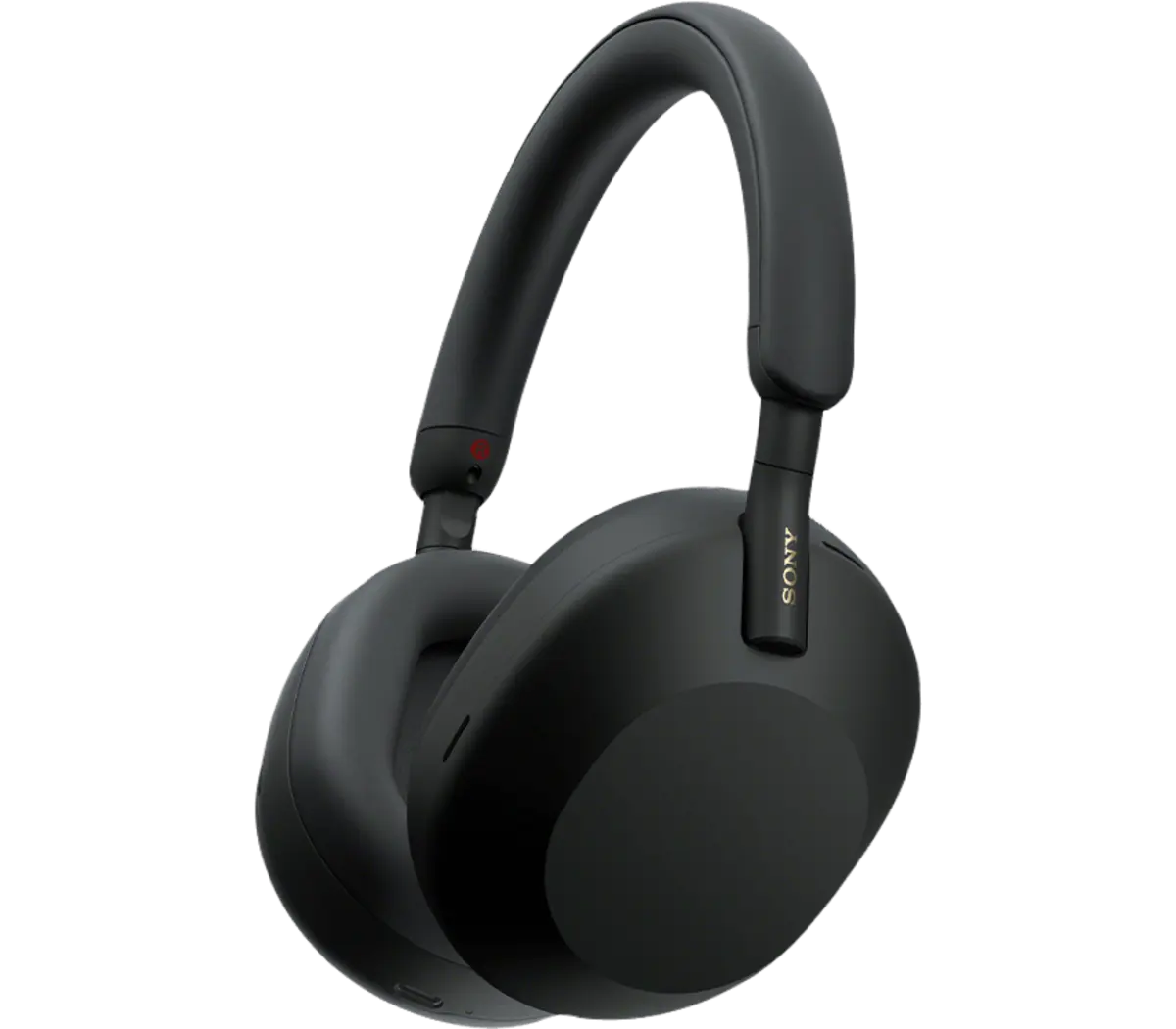
1. Sony WH-1000XM5
The Swiss Army knife of wireless headphones—and metal sounds magnificent through them.
Specifications:
- Type: Over-ear, wireless
- Driver: 30mm
- Frequency Response: 4Hz – 40,000Hz
- Noise Cancelling: Yes (industry-leading)
- Battery Life: 30 hours (ANC on)
- Bluetooth Codecs: SBC, AAC, LDAC
Reasons to Buy:
- Wide, spacious soundstage that handles dense arrangements
- LDAC support for hi-res audio streaming
- Exceptional detail retrieval in the upper midrange
- Comfortable enough for full-album listening sessions
- Outstanding active noise cancellation for immersive listening
Reasons to Avoid:
- Bass is balanced rather than aggressive—bassheads may want more impact
- Premium price point
- Touch controls can be accidentally activated
Best Deals:
The Sony WH-1000XM5 is not a headphone built specifically for metal, and that's precisely why it earns the top spot. Metal demands a headphone that can handle everything at once—and the XM5 does exactly that. Where lesser headphones collapse under the weight of a full-band mix, the Sony maintains composure, separating kick drum from bass guitar, letting rhythm guitars chug without smearing, and presenting lead guitar with the kind of clarity and air that showcases the craft behind the playing.
The soundstage is notably wide for a closed-back design, which gives orchestral and symphonic metal real grandeur. In more straightforward death or thrash contexts, that width becomes surgical separation: you'll hear every instrument's place in the mix in a way that cheaper headphones simply won't reveal.
LDAC support is a meaningful bonus for listeners who stream via lossless audio on Spotify, Tidal, or Qobuz in hi-res. Albums like Tool's Fear Inoculum or Mastodon's Crack the Skye, which are mastered with genuine audiophile intent, reward the XM5's resolution with a listening experience that genuinely raises the bar.
ANC is a consideration too—slipping into a record without any room noise bleeding in is part of what makes a great listening session, and the XM5's noise cancelling is class-leading.
Best Sound Quality
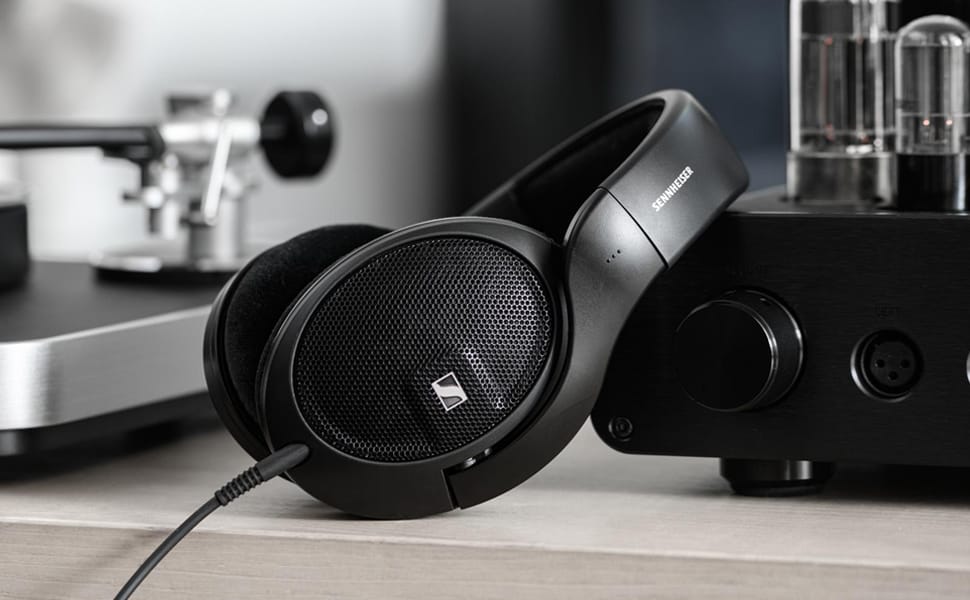
2. Sennheiser HD560S
Audiophile-grade headphone that handles all genres with technical excellence.
Specifications:
- Type: Over-ear, open-back, wired
- Driver: 38mm polymer dynamic
- Frequency Response: 6Hz – 38,000Hz
- Noise Cancelling: No (open-back design)
- Battery Life: N/A (wired)
- Impedance: 120 Ohm
- Weight: 240g
Reasons to Buy:
- Near-flat frequency response reveals what's actually in the recording
- Fast, precise transient response — percussion hits with surgical accuracy
- Wide, natural soundstage from open-back design
- Comfortable velour earpads built for long listening sessions
- Exceptional value for an audiophile-grade open-back
Reasons to Avoid:
- Open-back design offers no isolation — not for commuting or shared spaces
- Bass prioritizes accuracy over impact — not for listeners who want slam
- Wired only — no wireless or ANC
- Plastic build feels budget for the price
- Poorly mastered recordings will be exposed, not forgiven
Best Deals:
There's a moment that happens with a truly transparent headphone — you put on a record you've heard a hundred times and catch something you've never noticed before. A guitar harmony buried in the mix, the room sound on a drum kit, the subtle reverb tail on a vocal. The Sennheiser HD560S is the headphone that makes that happen, and at around $200, it's a remarkable piece of audio engineering.
Sennheiser designed the HD560S as a reference tool — flat, accurate, and unforgiving — and those are precisely the qualities that make it extraordinary for metal. Where consumer-tuned headphones add warmth, boost bass, or smooth the treble to make every recording sound pleasant, the HD560S simply reports what's there. On a well-produced record, the results are revelatory. The distinct guitar layers on a Carcass album, the microscopic timing differences between rhythm and lead guitar on a Periphery track, the way a really great metal producer balances kick drum against bass guitar in the low-end — all of it becomes visible in a way that colored headphones simply don't allow.
The transient response is where the HD560S earns particular respect in a metal context. That snap and attack on a snare strike — the physical crack that happens before the body of the drum note develops — is rendered with a precision that faster, punchier genres demand. Technical death metal and thrash in particular benefit enormously: blast beats, rapid guitar chugging, and kick drums hit with a tightness and definition that immediately separates the HD560S from its competitors at this price.
The open-back design produces a soundstage that closed-back headphones simply cannot replicate. Music opens up into genuine three-dimensional space through the HD560S, with instruments occupying distinct positions rather than collapsing into a wall of sound. It's a more natural, room-like presentation, and it suits complex arrangements beautifully.
One practical consideration: the HD560S is wired-only, terminating in a 6.3mm jack with a 3.5mm adapter included. This is a headphone built for the desk — a dedicated listening chair, a home office setup, a DAC and headphone amplifier on a proper hi-fi rack. In that context, it is virtually without peer at the price.
Best for Bass
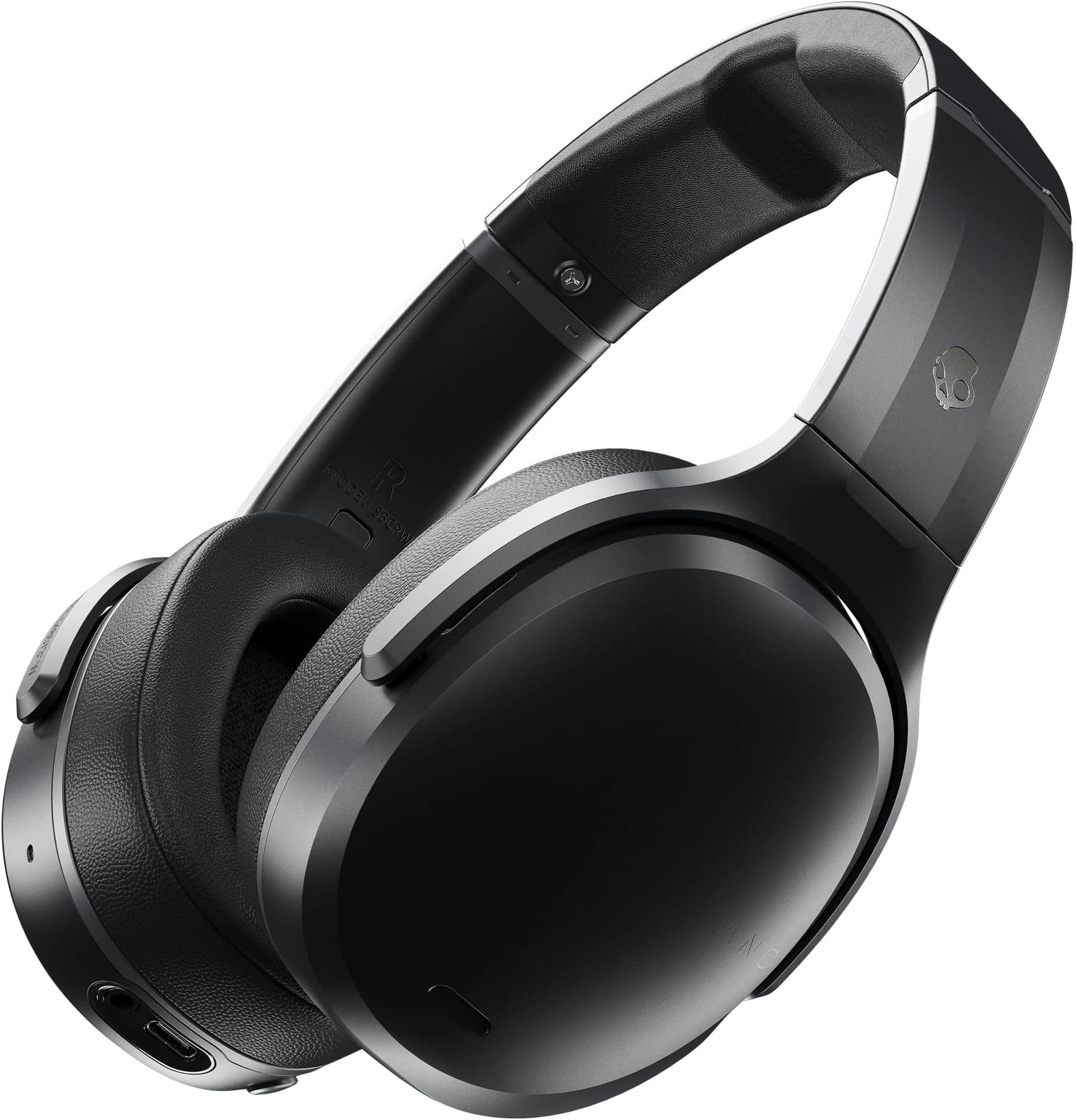
3. Skullcandy Crusher Evo
When you need to feel the kick drum in your skull, not just hear it.
Specifications:
- Type: Over-ear, wireless
- Driver: 40mm + adjustable bass driver
- Noise Cancelling: No (passive isolation)
- Battery Life: 40 hours
- Bluetooth Codecs: SBC, AAC
- Weight: 286g
Reasons to Buy:
- Adjustable haptic bass slider—customize impact to your taste
- Enormous, physical low-end presence
- Exceptional battery life at 40 hours
- Fun-first tuning that suits modern metal production
- Foldable and travel-friendly
Reasons to Avoid:
- Bass can overwhelm midrange on heavier settings
- No active noise cancellation
- Sound lacks refinement at the extremes compared to other options
- Bluetooth codec selection is limited
Best Deals:
Metal is not a genre that shies away from low-end. Drop-tuned guitars, booming bass drops, and slamming drums—these are physical as much as musical experiences. The Skullcandy Crusher Evo is built for exactly that.
The unique feature here is the adjustable haptic bass slider: a physical dial on the left earcup that drives a dedicated bass transducer to add sub-bass you don't just hear, but feel. With it dialed up, metal becomes an immersive, borderline physical experience.
It's worth noting that this isn't an audiophile bass—it's a visceral, fun, deliberately exaggerated low-end experience. Purists may find it to muddy up the sound, but for subgenres like sludge, doom, deathcore, and djent, where bass frequency is central to the emotional palette, the Crusher Evo delivers an experience that refined headphones simply don't.
The 40-hour battery life is also exceptional and appropriate—long listening sessions are part of metal culture, and you won't be hunting for a charger mid-album.
Best Budget Headphones
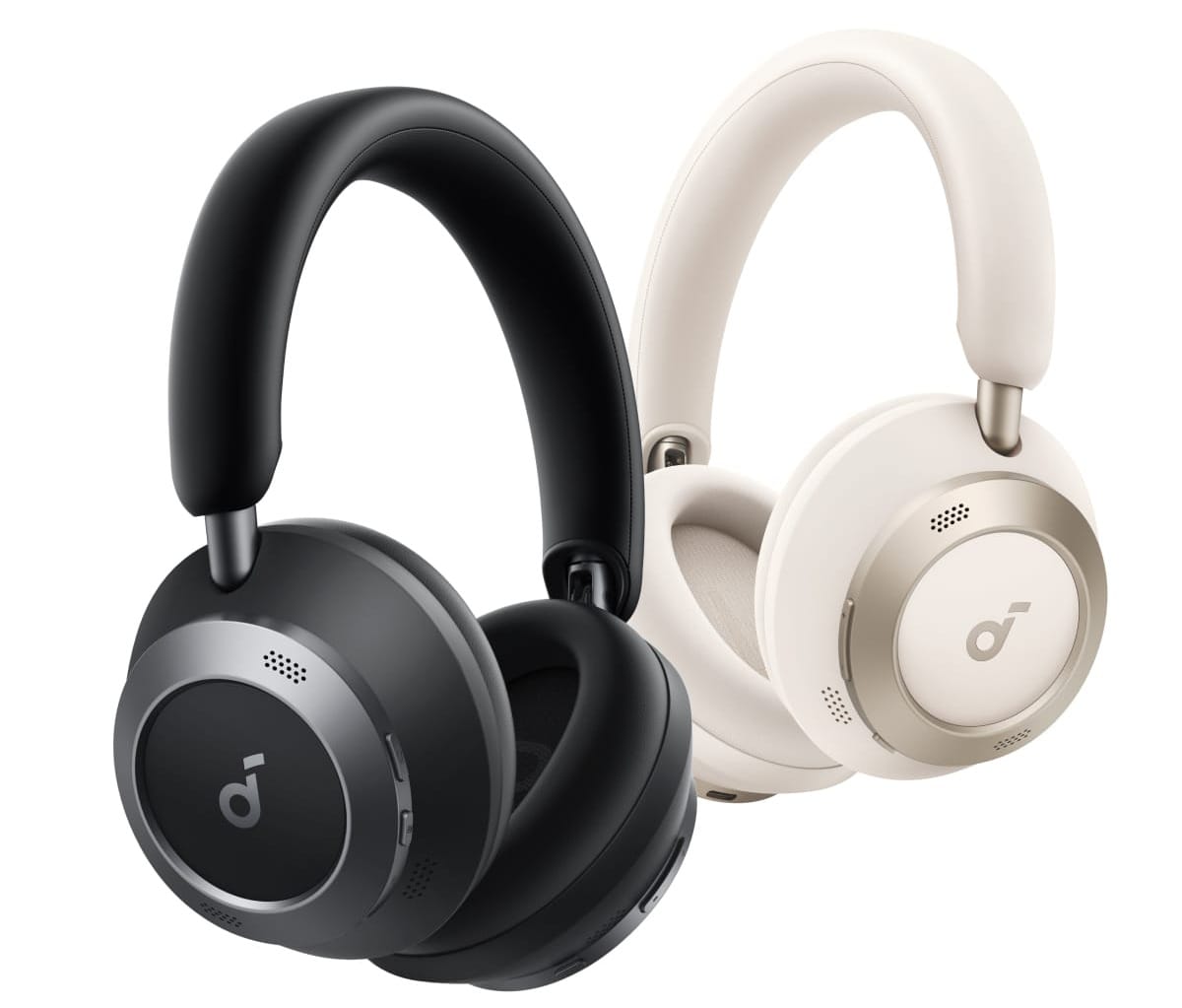
4. Soundcore Space One
Proof that you don't need to spend big to hear metal properly.
Specifications:
- Type: Over-ear, wireless
- Driver: 40mm
- Noise Cancelling: Yes (LDAC Hi-Res certified)
- Battery Life: 40 hours (ANC off), 25 hours (ANC on)
- Bluetooth Codecs: SBC, AAC, LDAC
- Weight: 265g
Reasons to Buy:
- LDAC support at a budget price — genuinely remarkable
- Strong, punchy sound that suits metal's energy
- Excellent ANC performance for the money
- Comfortable fit for extended wear
- App-based EQ customization
Reasons to Avoid:
- Soundstage narrower than premium competitors
- Treble can be slightly harsh at louder volumes
- Build feels budget in the hand despite good audio performance
Best Deal:
At around $70, the Soundcore Space One has no right sounding this good. LDAC support at this price tier is virtually unheard of, and for metal listeners who stream hi-res audio, that can be quite important. It means the Space One can receive more sonic information than most headphones at three times the price.
The sound character leans energetic, which is exactly what metal needs. Kick drums punch, guitars have bite, and the overall presentation leans forward rather than laid back. It won't reveal the nuanced production choices of a more expensive headphone, but retrieval is quite good for under $100.
The Soundcore app's EQ customization is a great bonus. Metal listeners tend to have strong opinions about frequency balance, and the ability to dial in a little more sub-bass presence, or pull back some upper-midrange harshness in poorly-mastered recordings, makes a tangible difference to the listening experience.
For anyone building their first serious audio setup without a huge budget, the Space One is an obvious starting point.
Best Earbuds Overall for Metal
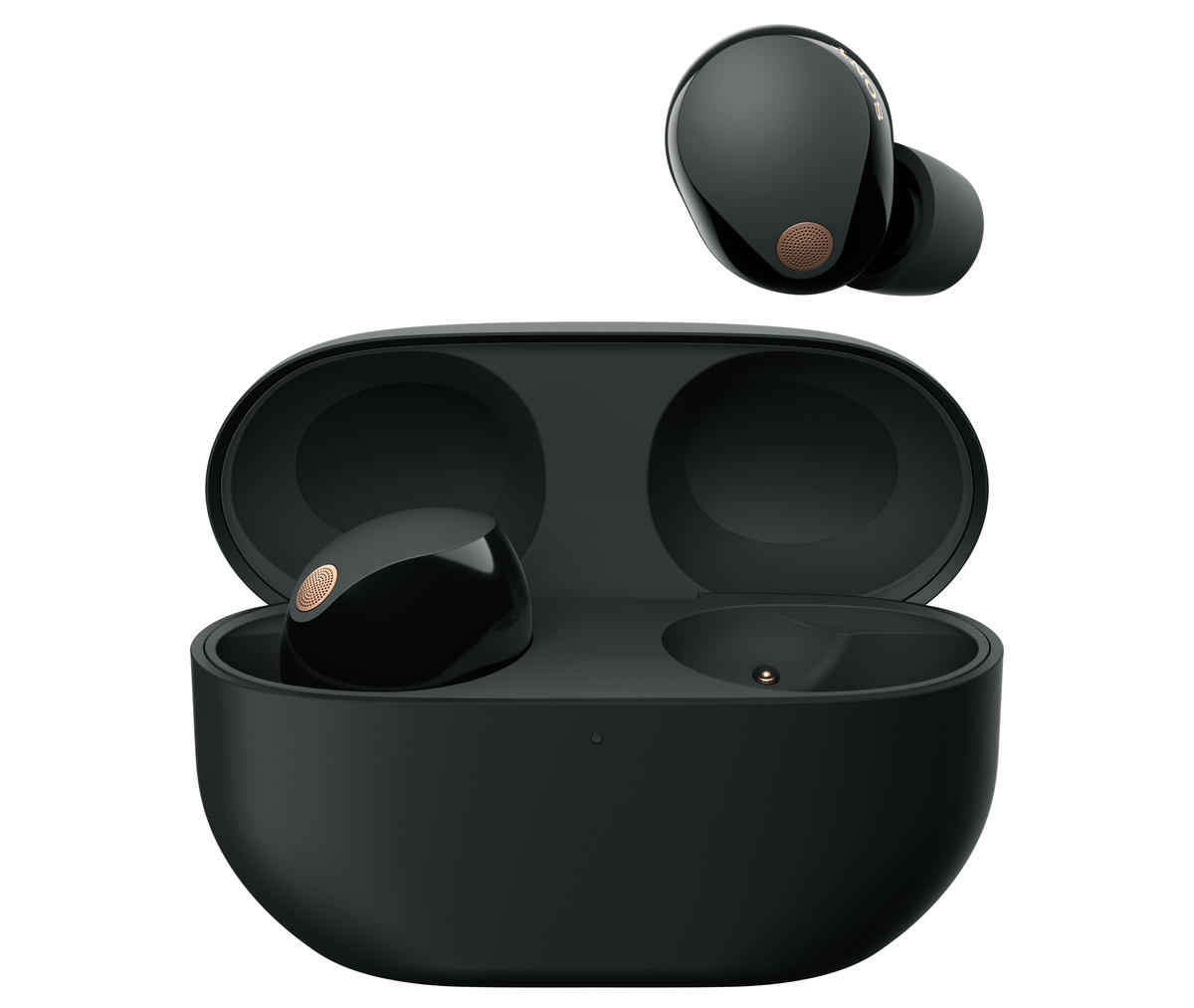
5. Sony WF-1000XM5
The XM5 in earbud form — isolation and audio quality that keeps pace with the full-size version.
Specifications:
- Type: In-ear, true wireless
- Driver: 8.4mm
- Noise Cancelling: Yes
- Battery Life: 8 hours (ANC on), 24 hours with case
- Bluetooth Codecs: SBC, AAC, LDAC
- Weight: 5.9g per bud
Reasons to Buy:
- Exceptional detail retrieval for an in-ear form factor
- LDAC support for hi-res streaming
- Best-in-class ANC creates a genuinely immersive listening bubble
- Compact, lightweight, and comfortable for long sessions
- Powerful, balanced low-end without muddiness
Reasons to Avoid:
- Soundstage inevitably narrower than over-ear options
- Premium price for earbuds
- Some users find the fit tricky to nail on the first try
Best Deal:
The WF-1000XM5 is Sony's flagship earbud, and it earns the top earbuds spot on merit alone. For metal listeners who live on the go — commuting, traveling, working — the XM5's combination of isolation, detail, and balanced sound makes it uniquely well-suited to the genre's demands in a portable format.
The ANC is crucial here. Metal listened to on a commuter train without noise-cancelling is a compromised experience — you push volume to compete with ambient noise, compress your dynamic range, and lose the contrast that makes the music powerful. Slip on the XM5 with ANC engaged, and the music exists in its own space.
Sonically, the WF-1000XM5 offers outstanding midrange resolution for an in-ear. Guitars have real presence and texture, the top-end is extended without harshness, and the low-end is tight and punchy rather than bloated. LDAC streaming adds a layer of resolution that most earbuds can't touch.
Best Earbuds for Energy
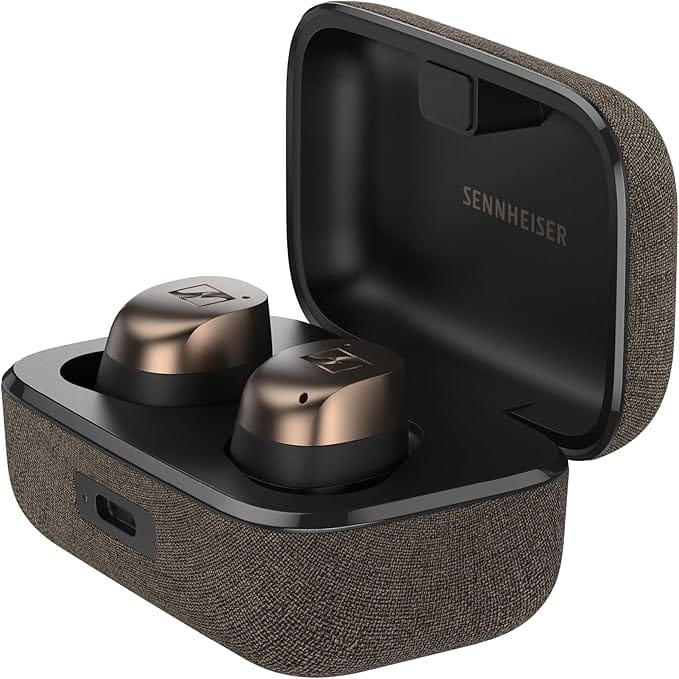
6. Sennheiser Momentum True Wireless 4
German engineering, built for the intensity metal demands.
Specifications:
- Type: In-ear, true wireless
- Driver: 7mm TrueResponse
- Noise Cancelling: Yes (Adaptive)
- Battery Life: 7.5 hours (ANC on), 30 hours with case
- Bluetooth Codecs: SBC, AAC, aptX Adaptive
- Weight: 5.7g per bud
Reasons to Buy:
- Forward, energetic sound tuning that matches metal's attack
- Crisp, fast transient response — percussion feels alive
- Outstanding 30-hour total battery life
- Premium build quality with IP54 weather resistance
- aptX Adaptive for low-latency, hi-res wireless audio
Reasons to Avoid:
- Less bass weight than some metal listeners may want
- ANC slightly behind Sony at this price
- Premium cost
Best Deal:
Sennheiser has spent decades building microphones and headphones for professional musicians and recording studios. That heritage shows in the Momentum True Wireless 4 — these are earbuds that understand what a transient is, and render it accordingly.
For metal, that transient speed matters enormously. The attack of a snare hit, the pick-attack on a fast thrash riff, the initial bite of a palm-mute before the note blooms — these micro-details are what separate an energetic metal listening experience from a flat one. The Sennheiser MTW4 delivers all of it with a sense of pace and urgency.
The aptX Adaptive codec is particularly interesting for metal — it supports up to 24-bit/96kHz audio and adapts its bitrate in real time for a stable connection, meaning your high-res streams of remasters and audiophile metal albums arrive with minimal compromise.
Comfort over long sessions is also excellent — the buds are light, and the passive seal is consistent, meaning you can go album-deep without adjusting.
Best Budget Earbuds
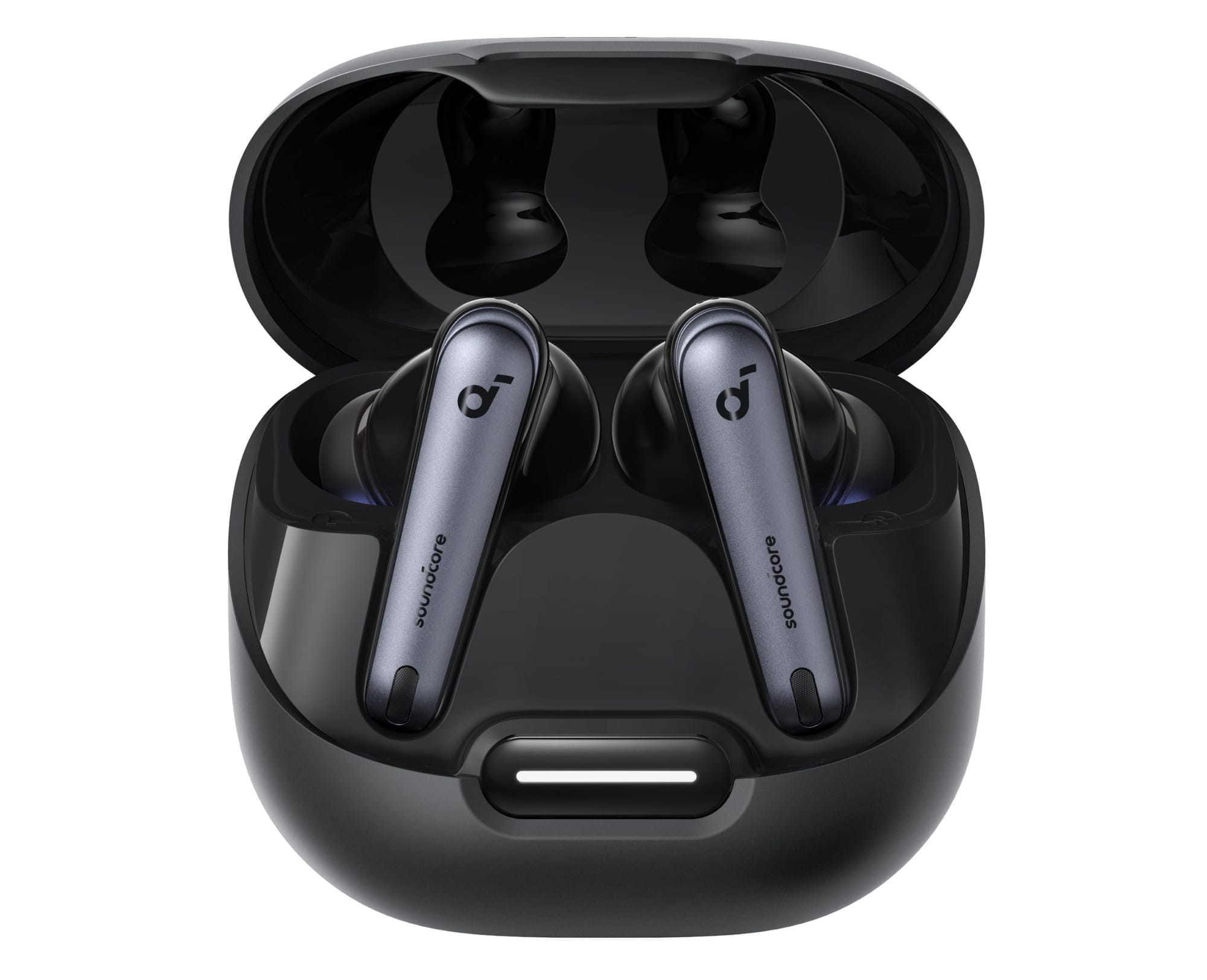
7. Soundcore Liberty 4 NC
Fifty dollars. Noise cancellation. Hi-res audio. No excuses.
Specifications:
- Type: In-ear, true wireless
- Driver: 11mm
- Noise Cancelling: Yes (adaptive)
- Battery Life: 10 hours (ANC on), 50 hours with case
- Bluetooth Codecs: SBC, AAC, LDAC
- Weight: 5.5g per bud
Reasons to Buy:
- LDAC at a budget price is an extraordinary value
- 50-hour total battery life is class-leading
- Solid, punchy bass response well-suited to heavier genres
- Adaptive ANC performs above its price class
- Warm, energetic sound that flatters modern metal production
Reasons to Avoid:
- Soundstage is narrow even by earbud standards
- Treble can be slightly aggressive on dense, saturated recordings
- Build and feel betray the budget price point
Best Deal:
At around $80, the Soundcore Liberty 4 NC is an absurd value. LDAC support and adaptive noise cancellation at this price tier would have been unthinkable five years ago, and Soundcore's willingness to pack hi-res audio capability into budget hardware has produced something genuinely special for budget-conscious metal fans.
The sound is warm and punchy — a tuning decision that works beautifully for modern metal production, which tends to sit heavy in the low-mids and benefit from a little treble smoothness. If your library runs to current metalcore, deathcore, or modern melodic death metal (Architects, Whitechapel, At the Gates), the Liberty 4 NC's tuning will flatter it.
The 50-hour total battery life with the case is genuinely impressive and makes these an ideal travel companion — you can take a long flight on a single charge of the buds and not worry about the case until you're back home.
For a first pair of proper earbuds, for a gym setup, or for a secondary pair to use when you don't want to risk your premium set, the Liberty 4 NC is the answer.
Honorable Mentions
These models came close to making the main list and deserve serious consideration depending on your priorities:
Beyerdynamic DT 770 Pro (80 Ohm): The legendary closed-back studio headphone has been a staple in metal recording studios for decades. The DT 770 Pro's detailed, extended treble and controlled bass make it a serious wired option for home listening. If you're happy without wireless, this is one of the finest headphones for metal at its price.
Audio-Technica ATH-M50xBT2: A wireless take on one of the best-regarded studio monitor headphones ever made. The M50x's flat-leaning response is technically accurate rather than exciting, but for listeners who want to hear metal the way producers intended, it's a compelling option.
What to Look For in Headphones for Metal
Frequency Response and Tuning
Metal lives across the full frequency spectrum simultaneously. You need a headphone that doesn't bottleneck any part of that range. A headphone that rolls off the treble will bury guitar harmonics; one that can't control its bass will turn a tight riff into a muddy mess.
Look for headphones with a relatively flat or slightly V-shaped response (boosted bass and treble with a neutral midrange). Avoid excessively "warm" headphones that emphasize lower midrange — this range is already congested in high-gain guitar production, and extra warmth will make things worse.
Soundstage and Imaging
Many metal genres like Progressive and Symphonic metal benefit enormously from a wide soundstage. The interplay between instruments, the way a guitarist and keyboardist trade phrases, the positioning of multiple guitar layers: these experiences are heightened by headphones that create convincing spatial separation. Over-ear designs generally outperform earbuds here.
Transient Response
Metal is a genre defined by transient events — pick attacks, kick drum hits, snare strikes. A headphone with a slow transient response will make fast passages sound blurred. This is why some audiophile "warm" headphones, despite their overall quality, don't suit metal particularly well — they prioritize smoothness over attack.
Isolation
If you're listening critically, isolation matters. Open-back headphones offer the best soundstage (in a quiet environment) but won't offer enough isolation if you are traveling in a louder environment. For convenience, closed back headphones are the best, but for home listening, open-backs have the best sound.
Comfort for Long Sessions
A full record is often over an hour. Look for generous padding, a secure but not pressured fit, and a weight that won't fatigue your neck.
Frequently Asked Questions
Do I need special headphones for metal music? Not special ones — but metal is demanding enough that a poor pair of headphones will diminish the experience. The genre's combination of dense low-end, high-gain midrange saturation, and extended treble requires a headphone that handles the full frequency range without favouring one at the expense of another. Any of the picks on this list are well-suited; the difference comes down to your budget, preferred format, and which metal subgenres you listen to most.
Is open-back or closed-back better for metal? Closed-back headphones are generally better for metal. They provide isolation from outside noise, prevent sound bleed, and typically deliver a more intimate, punchy bass response. Open-back headphones offer a more spacious soundstage, which benefits complex, progressive music — but they're better suited to quiet, controlled listening environments.
What frequency response is best for metal? A slightly V-shaped response (elevated bass and treble relative to midrange) tends to flatter most metal production. The bass emphasis handles the sub and low frequencies central to heavy music; the treble lift keeps guitars and cymbals from sounding dull. Be cautious of headphones with a significant upper-midrange emphasis — this range (around 1–4kHz) is already busy in metal production and extra emphasis can cause listening fatigue.
Does active noise cancellation help for metal listening? Yes — substantially. ANC eliminates the ambient noise that otherwise competes with your music, meaning you can listen at lower, safer volumes while still experiencing metal's full dynamic range. The contrast between a quiet passage and a full-band assault is part of what makes metal powerful; ambient noise destroys that contrast. ANC preserves it.
Are wired headphones better than wireless for metal? Wired headphones eliminate any possibility of wireless compression, which can technically affect audio quality — though modern codecs like LDAC and aptX Adaptive come remarkably close to wired performance. For the vast majority of listeners, a good wireless headphone with LDAC support will be indistinguishable from wired. Where wired wins is for studio or analytical listening at a desk, where cable management is no inconvenience, and sources with dedicated headphone amplification are available.
How We Selected These Picks
Every headphone on this list was evaluated against the specific demands of metal music across multiple subgenres — from classic heavy metal and thrash to death metal, doom, black metal, and progressive metal. We tested with reference recordings spanning five decades of the genre, focusing on how each headphone handled the characteristics that make metal sonically distinctive: fast transients, dense frequency stacking, extended low-end, high-gain harmonic content, and the dynamic contrast between quiet and loud passages.
Price-to-performance ratio is central to our recommendations. An expensive headphone that doesn't outperform a cheaper rival on the metrics that matter to metal listeners won't earn a top spot regardless of its general reputation.
Thanks for reading!
- Read more of the latest rock/metal news here
- Subscribe to our Metal News Email list for weekly updates!
- Support The Metalverse and go ad-free.
- Follow us on Social Media | Instagram | Facebook
- Listen to our metal Spotify Playlists!
- Join our free 5-day music marketing email course!


