

The Ultimate Guide to Hosting a Metal Concert
Do you want to throw the ultimate metal concert? You've come to the right place! Check out our guide on how to host a safe and successful heavy metal show.


The energy of a live metal show is without comparison, but organizing the controlled chaos is a massive undertaking that requires passion and precision. It's about more than booking bands; it's about creating a safe environment where the music and fans can thrive. Whether you're a local musician or a dedicated fan, understanding the logistics behind the event is crucial for success. Our ultimate guide below will show you how to host a successful metal concert.
Planning and Preparation
The foundation of any successful event lies in the planning phase. You cannot simply wing it when you are dealing with loud music, large crowds, and tight schedules.
Venue Selection
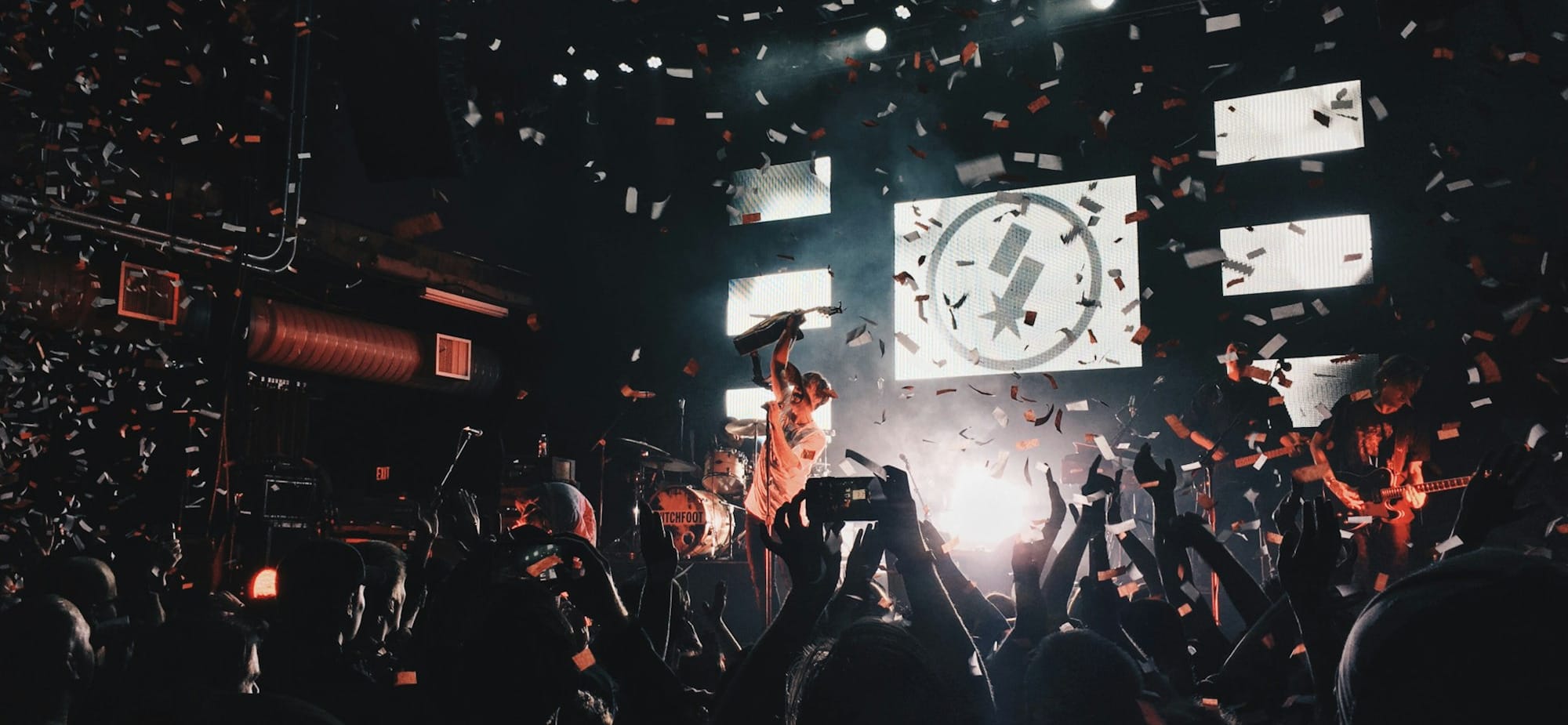
Finding the right venue is the first and most critical step. You need a space that accommodates your expected crowd size and fits the vibe of a metal show. A polished, carpeted conference hall might not appreciate a wall of death, nor will it sound good. Dive bars, dedicated music clubs, and warehouses are staples of the metal scene.
Acoustics matter immensely. Metal is dense and loud; a room with too much natural reverb will turn fast double-kick drumming into an unintelligible muddy mess. Visit potential venues during a show, if possible, to hear how the room sounds when it is full of bodies. Talk to the venue owners about their capacity limits and curfew times, so you know exactly how late you can play and how many people you can fit inside to help finetune your budget.
Securing Permits and Insurance
Once you have a location, you must handle the legalities. Ignoring permits and insurance is a surefire way to get your show shut down before the first chord is struck. Depending on your location and the type of venue, you may need noise permits, especially if the venue is in a residential area. Verify if the venue has its own liquor license or if you need to apply for a temporary event permit if you plan to sell alcohol.
Liability insurance is non-negotiable. If someone gets hurt or guests damage property, you need protection. Many venues will require you to provide proof of insurance before they sign a contract. Do not view this as an annoying expense; see it as a safety net that keeps you from going bankrupt if things get too rowdy.
Staff and Organization
Running a successful metal concert requires careful planning and a reliable team. Start by recruiting staff or volunteers to handle key responsibilities such as ticket sales, crowd management, sound engineering, and security. Ensure you have dedicated staff at the entrance to check tickets or handle cash and card payments if admission is not prepaid.
Clear communication is essential—assign specific roles and create a schedule to keep the event running smoothly. To help make admission and entry easier for guests and staff, consider using customized wristbands for your event. It allows staff to quickly identify guests and makes entry much quicker than checking tickets at the door.
Technical Requirements
Metal demands high production values, specifically regarding sound and volume. You cannot expect a rinky-dink PA system to handle the low-end frequencies of a bass guitar or the attack of a modern metal drum kit.
Sound Equipment

If the venue does not have an in-house sound system, you will need to rent one. Do not skimp here. You need a PA system with enough wattage to push vocals over extremely loud stage volume. Subwoofers are essential for that chest-thumping kick drum sound that defines the genre.
You also need a competent sound engineer. Mixing metal is an art form. The engineer needs to know how to balance distorted guitars so they do not clash with the vocals, and how to gate the drums to keep them punchy. If you hire a sound guy who only does acoustic folk nights, your show will suffer.
Lighting and Stage Setup
Visuals set the atmosphere. While you might not have the budget for pyrotechnics, a decent lighting rig goes a long way. Red and blue washes are staples of metal shows, creating a moody and intense vibe. Strobes can add intensity to breakdowns and fast sections.
Verify that the stage is sturdy and clear of hazards. Metal musicians move around a lot, so tape down all cables to prevent tripping. If there is a drum riser, make sure it is stable. The last thing you want is a drummer toppling over in the middle of a blast beat.
Booking Bands
Curating the perfect lineup is where your creative vision truly comes to life. Aim for a bill that flows logically, engaging the audience from the first note until the last. Start by securing a headliner with a proven local draw to anchor the event. Then, select support bands that complement the headliner’s specific sub-genre to avoid confusing the crowd.
Clear communication with every band is essential for a smooth show night. Agree upon load-in times, set lengths, and payment terms in writing beforehand. Be completely transparent about finances, whether you are offering a guarantee or a door-split deal.
Promotion and Marketing

One of the most important parts of our ultimate guide to hosting a metal concert is the promotion. After all, all the planning won’t matter if no one shows up! Social media is an excellent online marketing tool, so utilize Facebook events, Instagram posts, and hashtags to build buzz beforehand.
Hire a local artist to design striking posters for both physical flyers and digital promotion, and distribute them at record stores and music shops where the metal community gathers. Respect the bands and encourage them to share the event with their followers—word of mouth is powerful, and the more people talking about the show, the better.
Day-of Execution
Concert day will be busy, but organized chaos is manageable if you prepare. Arrive early to oversee setup and manage the load-in process, confirming that bands arrive on time and complete soundcheck on schedule. Stick to a strict timeline—delays in soundcheck mean late doors and a pushed-back show.
During the show, be ready to handle issues such as equipment failures or crowd problems. If a guitar amp blows or a mic stops working, solve it quickly. Monitor the crowd for safety, stepping in or alerting security when necessary. Your job is to maintain high energy while providing a safe and enjoyable environment for everyone.
Post-Concert Tasks
Your work isn't over when the music stops. Settle up with the venue and the bands immediately, counting the door money and distributing it as agreed. Show respect by helping with the initial cleanup and checking for any gear or merchandise left behind. Finally, follow up with the bands the next day to thank them, ask for feedback, and review what you can learn for the next show.
Conclusion
Organizing a great metal show takes dedication, collaboration, and a passion for the music. By creating a safe and exciting environment, you contribute to the thriving metal community and leave a lasting impression on both bands and fans. If you’re eager to dive deeper into the world of metal music, join us at The Metalverse. Explore band interviews, concert reviews, and a growing library of resources to fuel your passion for all things metal!
Thanks for reading!
- Read more of the latest rock/metal news here
- Subscribe to our Metal News Email list for weekly updates!
- Support The Metalverse and go ad-free.
- Follow us on Social Media | Instagram | Facebook
- Listen to our metal Spotify Playlists!
- Join our free 5-day music marketing email course!


