


The 25 Most Popular Thrash Metal Bands in 2026 (According to Spotify)
The 25 most popular thrash metal bands ranked by Spotify monthly listeners, from Metallica and the Big Four to Kreator, Exodus, Municipal Waste and Power Trip.

Who are the most popular thrash metal bands right now? Forty years after the genre's first wave, the numbers say thrash is very much alive, and not just for the Big Four. Fans are still streaming the classics, and a younger crossover and revival crowd is pulling in listeners of its own.
Thrash took the speed and twin-guitar attack of the new wave of British heavy metal, added the aggression of hardcore punk, and turned it into something faster and meaner in the early-to-mid 1980s. Its commercial peak ran from roughly 1985 to 1991, led by four American bands, with a German scene and a punk-crossing offshoot close behind.
This list ranks the 25 biggest thrash bands by Spotify monthly listeners as of November 24, 2026. We counted bands widely described as thrash or crossover thrash, and mentioned the borderline picks. For the wider picture, see our ranking of the 25 most popular metal bands on Spotify.
25: Tankard - 65,000
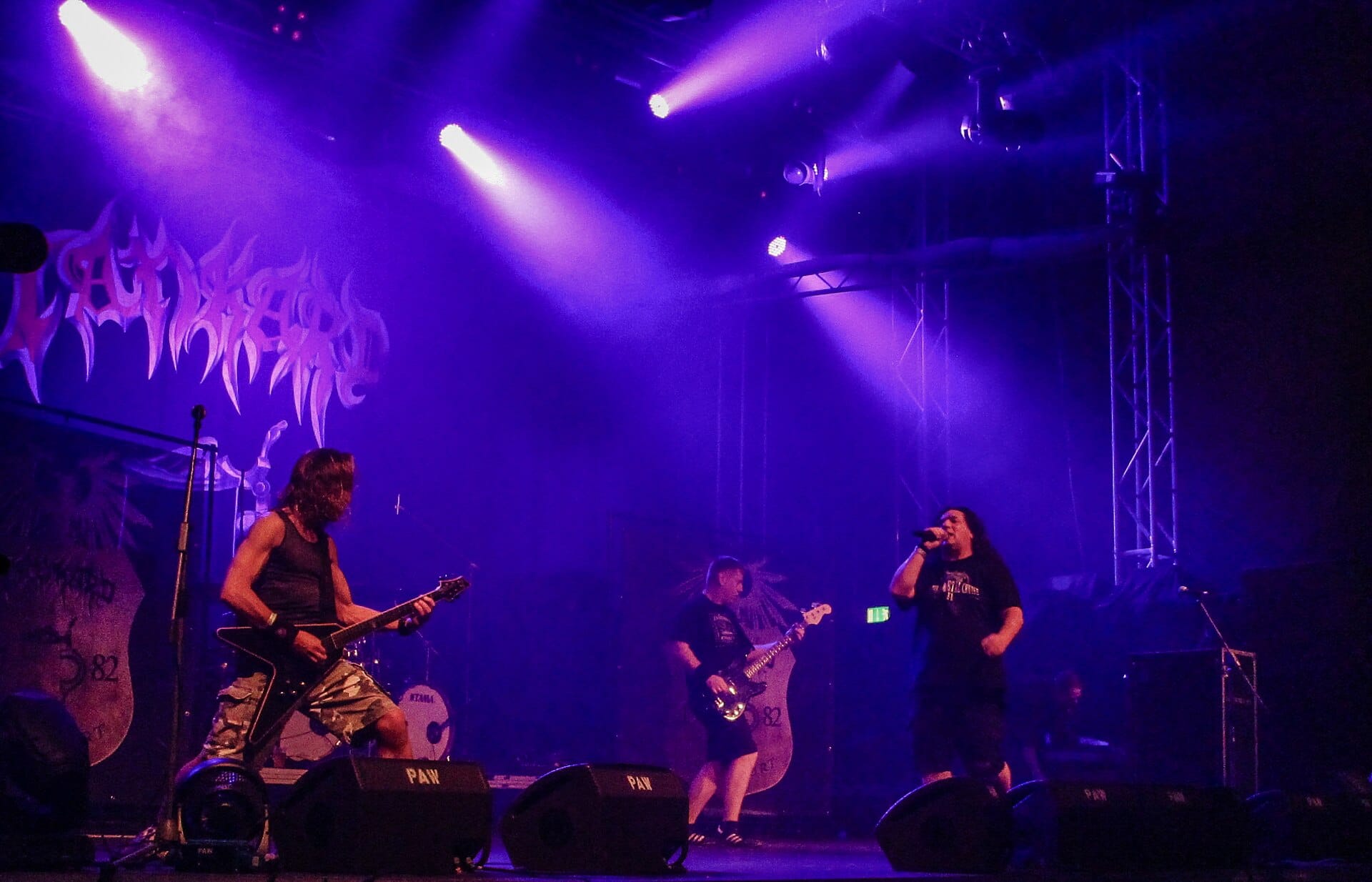
Frankfurt's Tankard formed in 1982 and has spent four decades singing about beer, which makes them the party wing of the Teutonic scene. Frontman Andreas "Gerre" Geremia is still at the mic. They are counted among the Big Teutonic Four, a status they leaned into with the 2012 split release The Big Teutonic 4. Start with The Tankard (1995), a favorite with fans and critics.
24: Sacred Reich - 71,000
Formed at a Scottsdale, Arizona high school in 1985, Sacred Reich helped lead the late-'80s second wave of thrash. Singer and bassist Phil Rind still fronts the band. The American Way (1990) is the one to hear first; its slower, heavier grooves are often credited as an early step toward groove metal.
23: Flotsam and Jetsam - 80,000
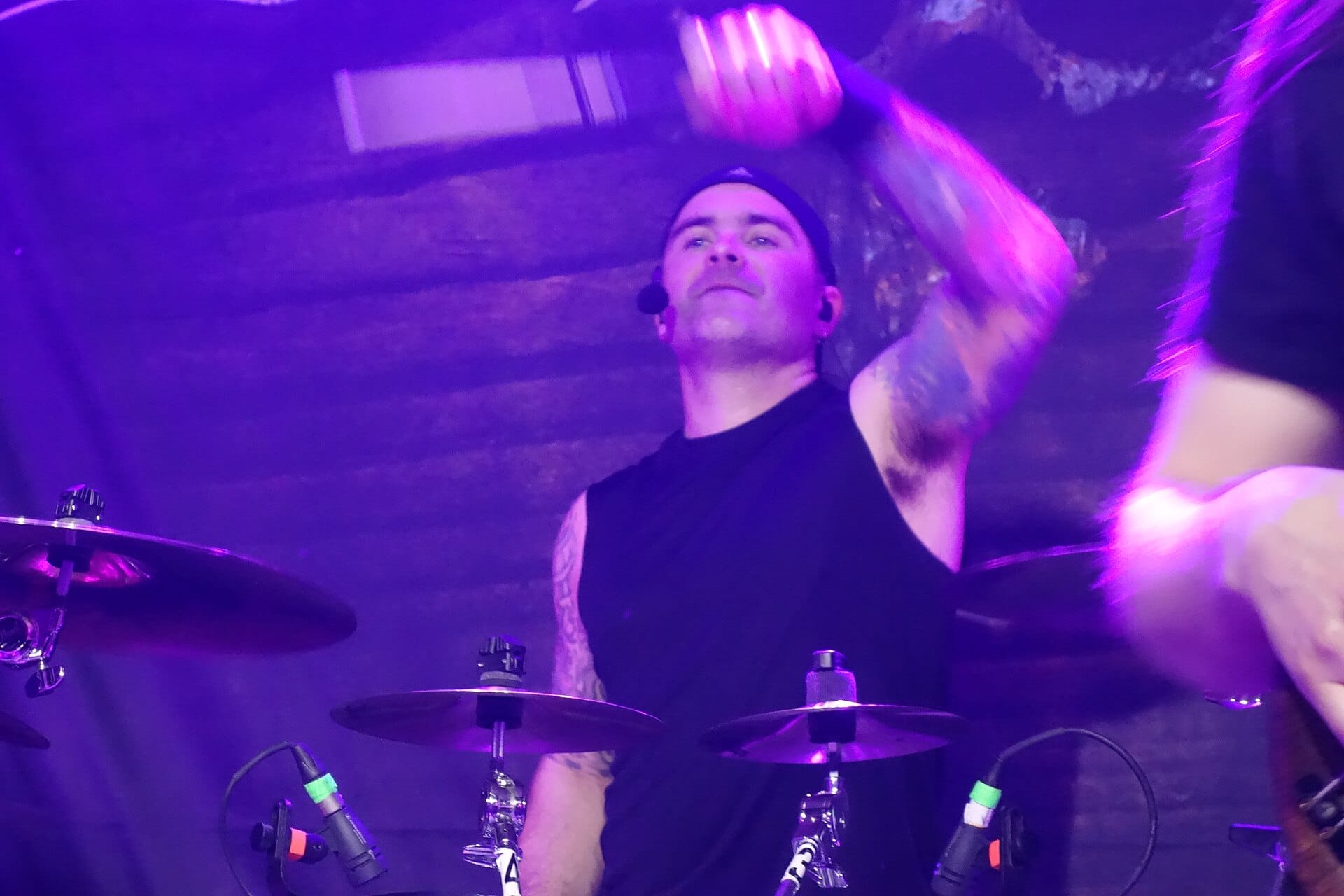
Phoenix's Flotsam and Jetsam began in 1981 and are best known as the band Jason Newsted left to join Metallica after the 1986 debut Doomsday for the Deceiver. They never stopped, though: Eric "A.K." Knutson still sings, and Rats in the Temple arrived in 2026. No Place for Disgrace (1988) is the essential early record.
22: Destruction - 82,000
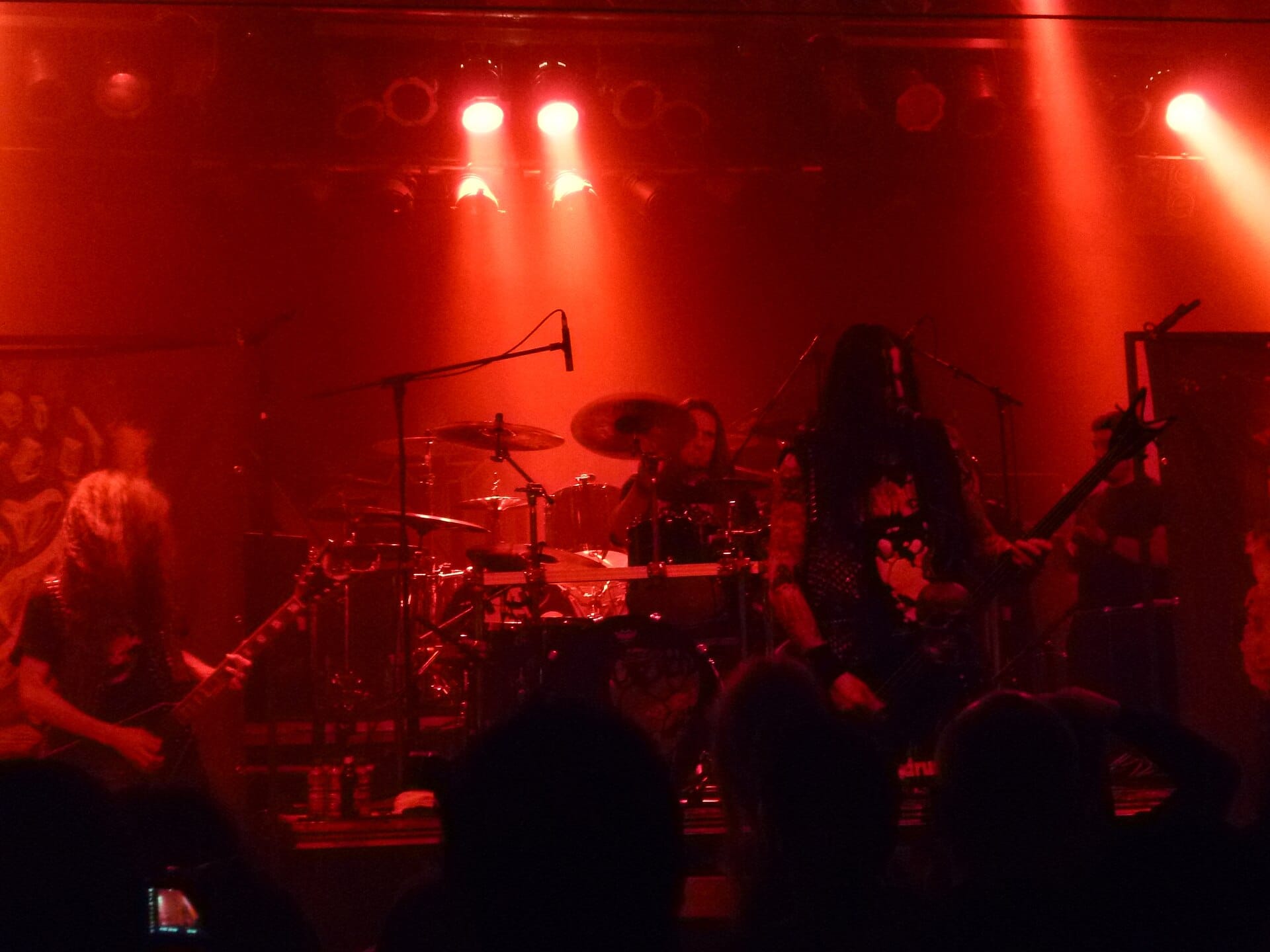
Destruction started in 1982 in Weil am Rhein, near the Swiss border, under the name Knight of Demon. Bassist and vocalist Marcel "Schmier" Schirmer has been the constant, and the band is one of the Big Teutonic Four. Their early records are raw thrash classics; begin with Infernal Overkill (1985) or Release from Agony (1987), then jump to 2025's Birth of Malice.
21: Nuclear Assault - 86,000

Bassist Dan Lilker formed Nuclear Assault in New York City in 1984 with John Connelly after leaving Anthrax, and the band became a cornerstone of East Coast thrash. Survive (1988) and Handle with Care (1989) both made the Billboard 200. The band announced in November 2026 that it had split for good, ruling out another reunion.
20: Evile - 96,000
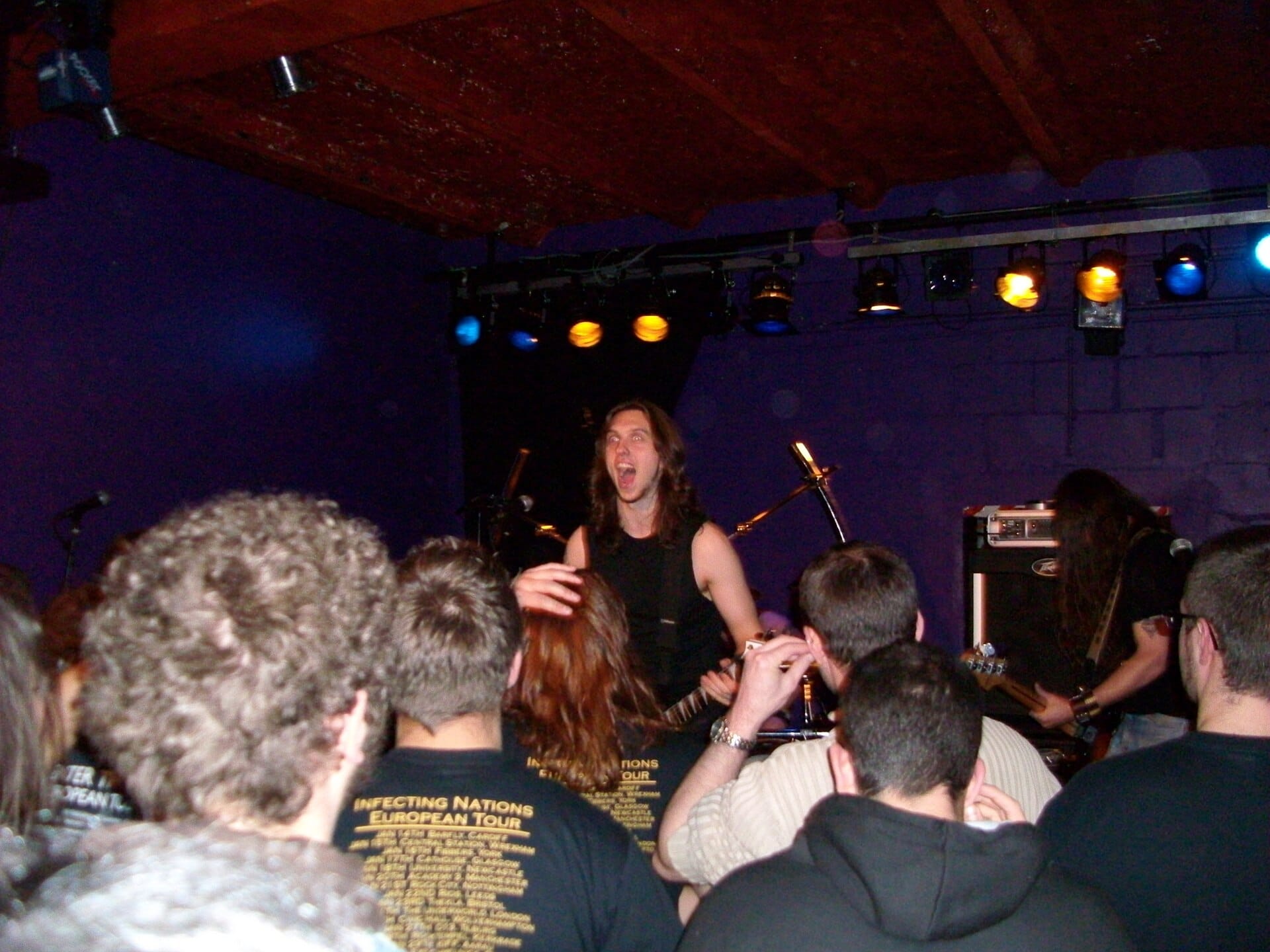
Huddersfield's Evile formed in 2004 and became the U.K.'s flagship of the 2000s thrash revival, winning Metal Hammer's "Get in the Ring" contest along the way. Guitarist Ol Drake now handles lead vocals too. Debut Enter the Grave (2007) is still the place to start; The Unknown (2023) is the latest.
19: D.R.I. - 99,000
D.R.I. (Dirty Rotten Imbeciles) formed in Houston in 1982 and moved to San Francisco a year later, where they helped invent crossover thrash. Kurt Brecht and Spike Cassidy still lead the band. The 1987 album Crossover literally named the style, and Thrash Zone (1989) is its leaner, heavier follow-up.
18: Havok - 118,000
Denver's Havok formed in 2004 and became one of the leading names in the new wave of thrash that kept the genre alive through the 2010s. Guitarist and vocalist David Sanchez is the only remaining original member. Time Is Up (2011) is the defining record, and Unnatural Selection (2013) took them onto the Billboard 200.
17: Death Angel - 213,000
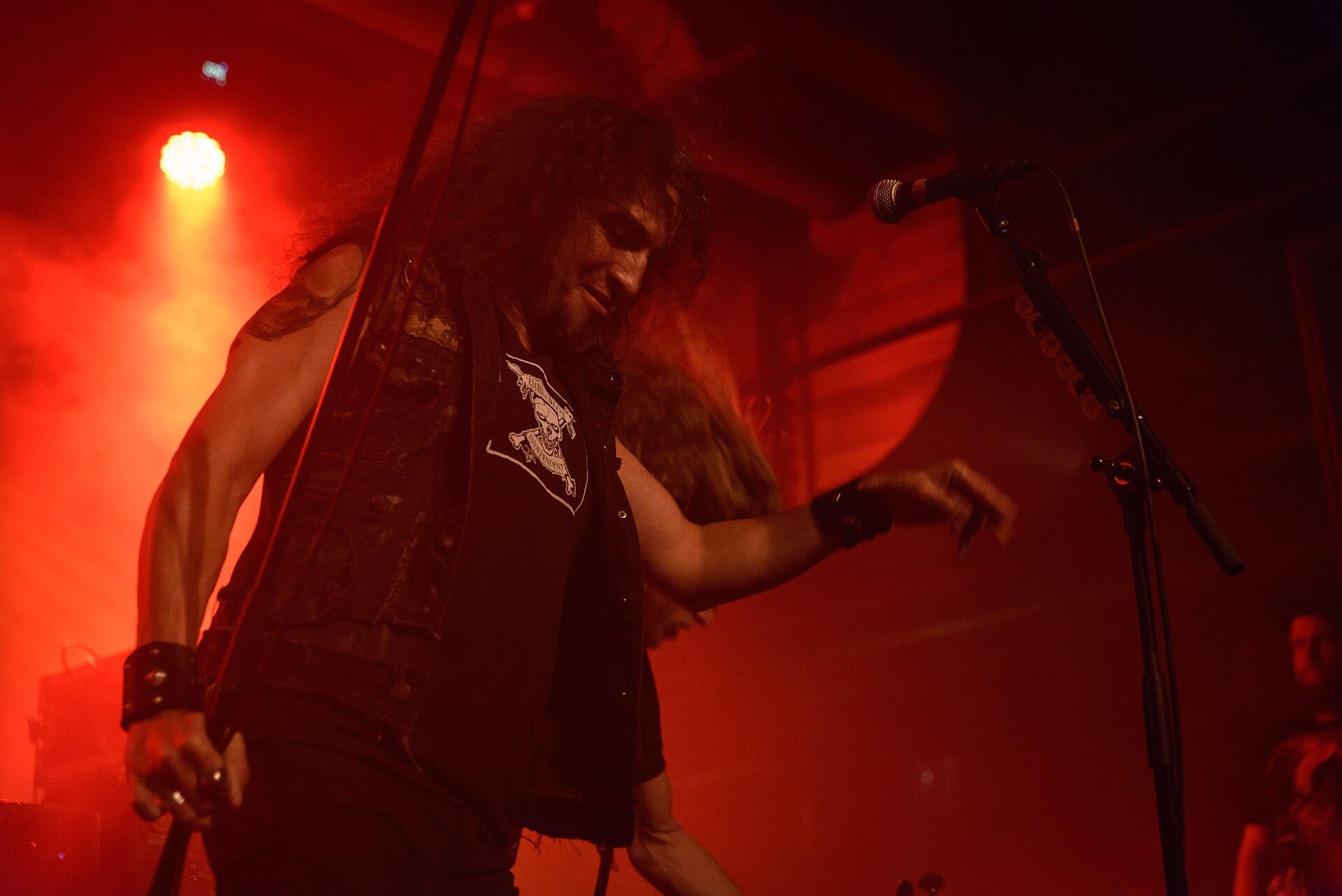
Formed in San Francisco in 1982 by a group of cousins, Death Angel made their name with The Ultra-Violence (1987), one of the Bay Area's most influential debuts. Mark Osegueda has sung for them since 1984. Their comeback era has been just as strong: the title track of Humanicide earned a Grammy nomination.
16: Overkill - 215,000

New Jersey's Overkill formed in 1980 and were one of the first thrash bands to sign to a major label, joining Atlantic in 1986. Vocalist Bobby "Blitz" Ellsworth and bassist D.D. Verni have driven the band for its whole run. The Years of Decay (1989) is the classic, and Taking Over (1987) was their first Billboard 200 entry.
15: Power Trip - 219,000
Dallas crossover heavyweights Power Trip formed in 2008 and were one of the most exciting bands in metal when singer Riley Gale died in August 2020. The band returned in 2023 with Seth Gilmore on vocals. Start with Nightmare Logic (2017), their most successful album; a live take of "Executioner's Tax (Swing of the Axe)" was nominated for a Grammy.
14: Metal Church - 234,000
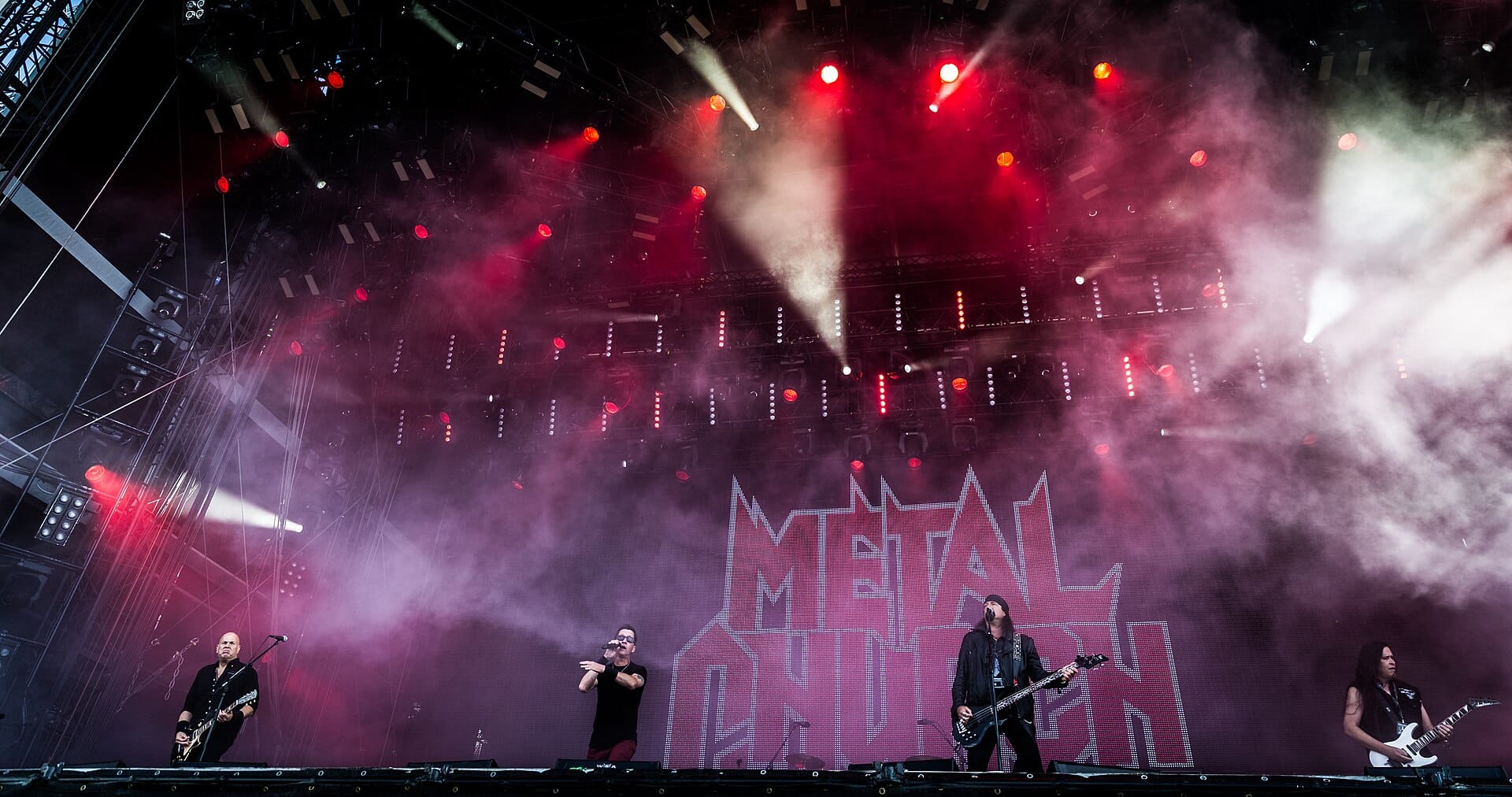
Metal Church formed in San Francisco in 1980 before guitarist Kurdt Vanderhoof moved the project to Aberdeen, Washington. They sit on the line between thrash, speed and classic heavy metal, so treat this as a borderline pick. The Dark (1986) was their breakthrough, and we caught them live on tour with Armored Saint in our Armored Saint and Metal Church concert review.
13: Sodom - 255,000
Gelsenkirchen's Sodom formed in 1982 around bassist and vocalist Tom "Angelripper" Such, the band's only constant member. They are part of the Big Teutonic Four, and Agent Orange (1989) was one of the first thrash albums to reach the German charts. The band has been on a touring break since 2025, after releasing The Arsonist that year.
12: Municipal Waste - 256,000
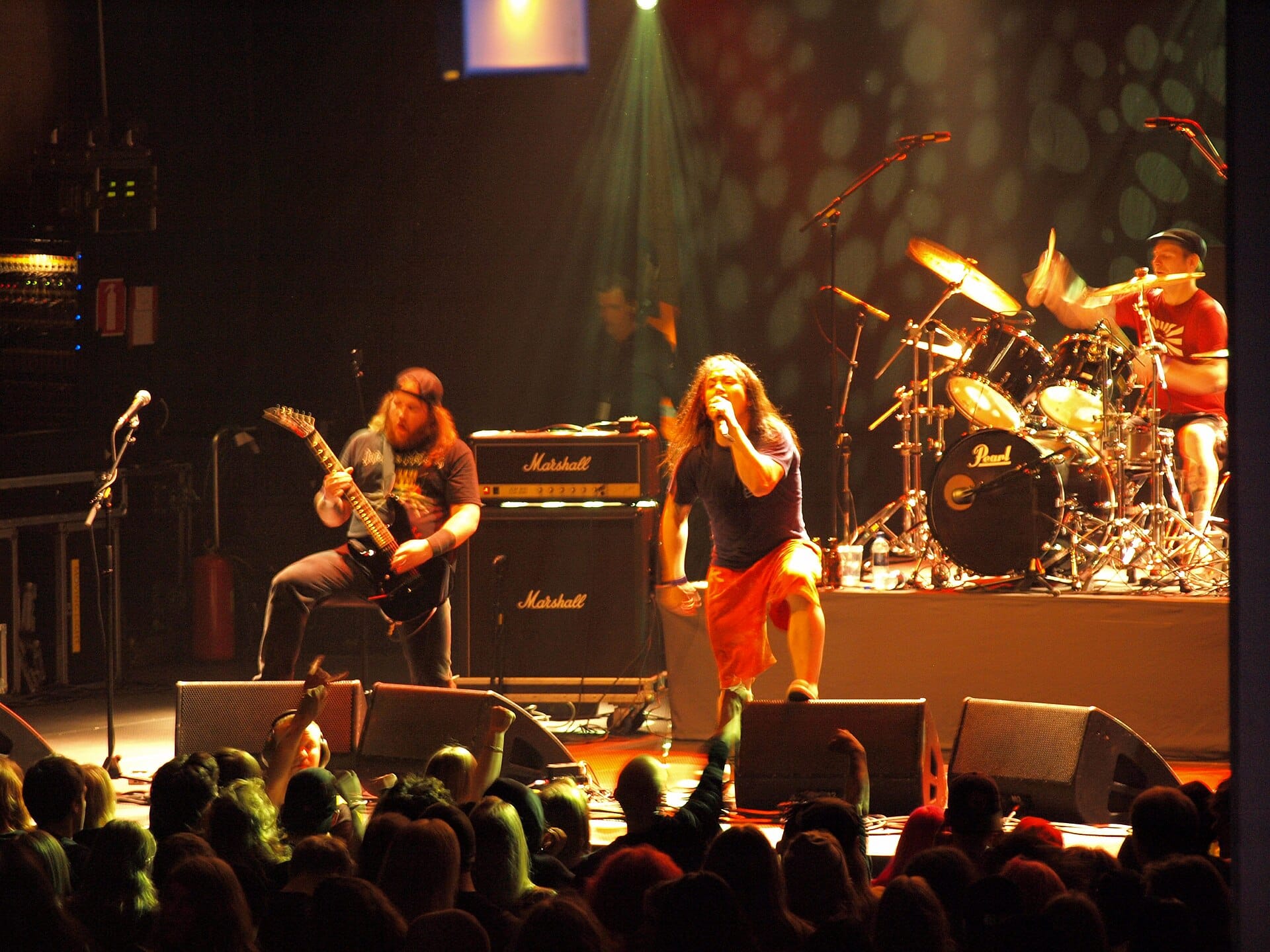
Richmond, Virginia's Municipal Waste formed in 2000 and became the face of second-wave crossover thrash: short songs, huge pits, a lot of party. Tony Foresta fronts the band. Hazardous Mutation (2005) broke them in Europe, and The Art of Partying was inducted into Decibel's Hall of Fame in 2020.
11: Annihilator - 352,000
Guitarist Jeff Waters formed Annihilator in Ottawa in 1984, and he has been the only constant through 17 studio albums. They are the best-selling Canadian heavy metal band, with most of those sales abroad. Alice in Hell (1989) is the essential technical-thrash debut, and Never, Neverland (1990) outsold it.
10: Exodus - 467,000
Formed in Richmond, California in 1979 with a young Kirk Hammett on guitar, Exodus are the band most often argued into a "Big Five" of thrash. Gary Holt's riffs have defined them for decades, and the 2004 comeback Tempo of the Damned reignited their career. Goliath arrived in March 2026.
9: Kreator - 508,000

Essen's Kreator formed in 1982 and are the biggest of Germany's Big Teutonic Four. Mille Petrozza and drummer Jürgen "Ventor" Reil are the remaining originals. Pleasure to Kill (1986) remains a landmark of extreme thrash, and Gods of Violence (2017) became their first No. 1 album in Germany; Krushers of the World followed in January 2026.
8: Suicidal Tendencies - 780,000

Mike Muir formed Suicidal Tendencies in Venice, Los Angeles in 1980, and they are often called the fathers of crossover thrash. Muir is still the only original member. Join the Army (1987) was their first Billboard 200 album, and Lights...Camera...Revolution! (1990) went gold and earned a Grammy nomination.
7: Testament - 1 million
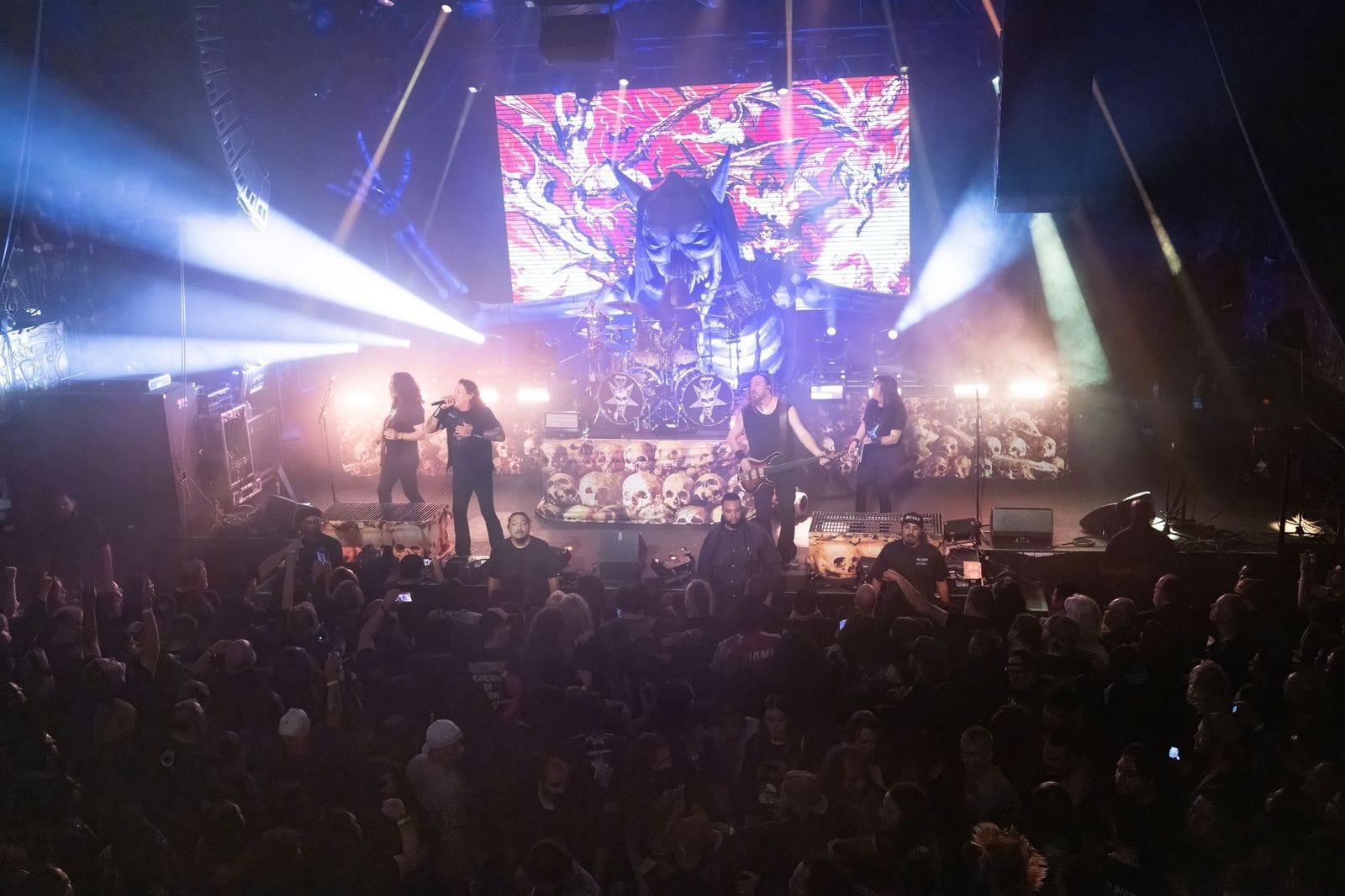
Bay Area mainstays Testament started as Legacy in 1983 and took their current name in 1986, the same year Chuck Billy joined on vocals. Guitarists Eric Peterson and Alex Skolnick are still on board. Practice What You Preach (1989) was the breakthrough, and Para Bellum (2025) is the latest. See them live in our Testament concert photos and review.
6: Anthrax - 1.2 million
Scott Ian co-founded Anthrax in Queens in 1981, and they became the New York member of the Big Four. Joey Belladonna fronts the current lineup. Among the Living (1987) is the essential album, Sound of White Noise (1993) is their highest-charting at No. 7, and their 12th album Cursum Perficio arrived in 2026.
5: Machine Head - 1.9 million
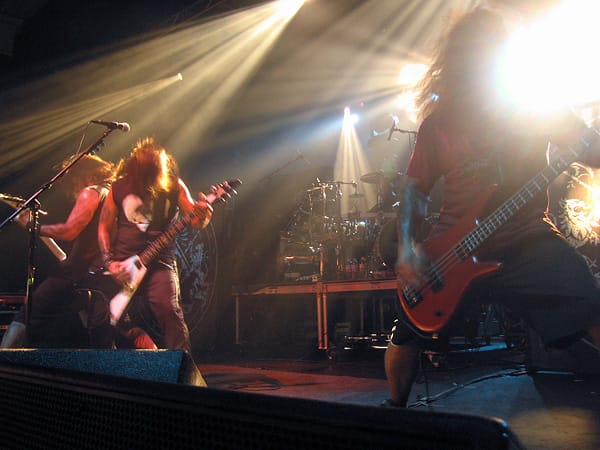
Oakland's Machine Head formed in 1991, after thrash's first peak, and mix thrash with groove metal, so they are a borderline pick. Robb Flynn is the only original member. The Blackening (2007) is their thrash masterpiece, named Metal Hammer's Album of the Decade; Unatoned (2025) is the latest.
4: Sepultura - 2.2 million
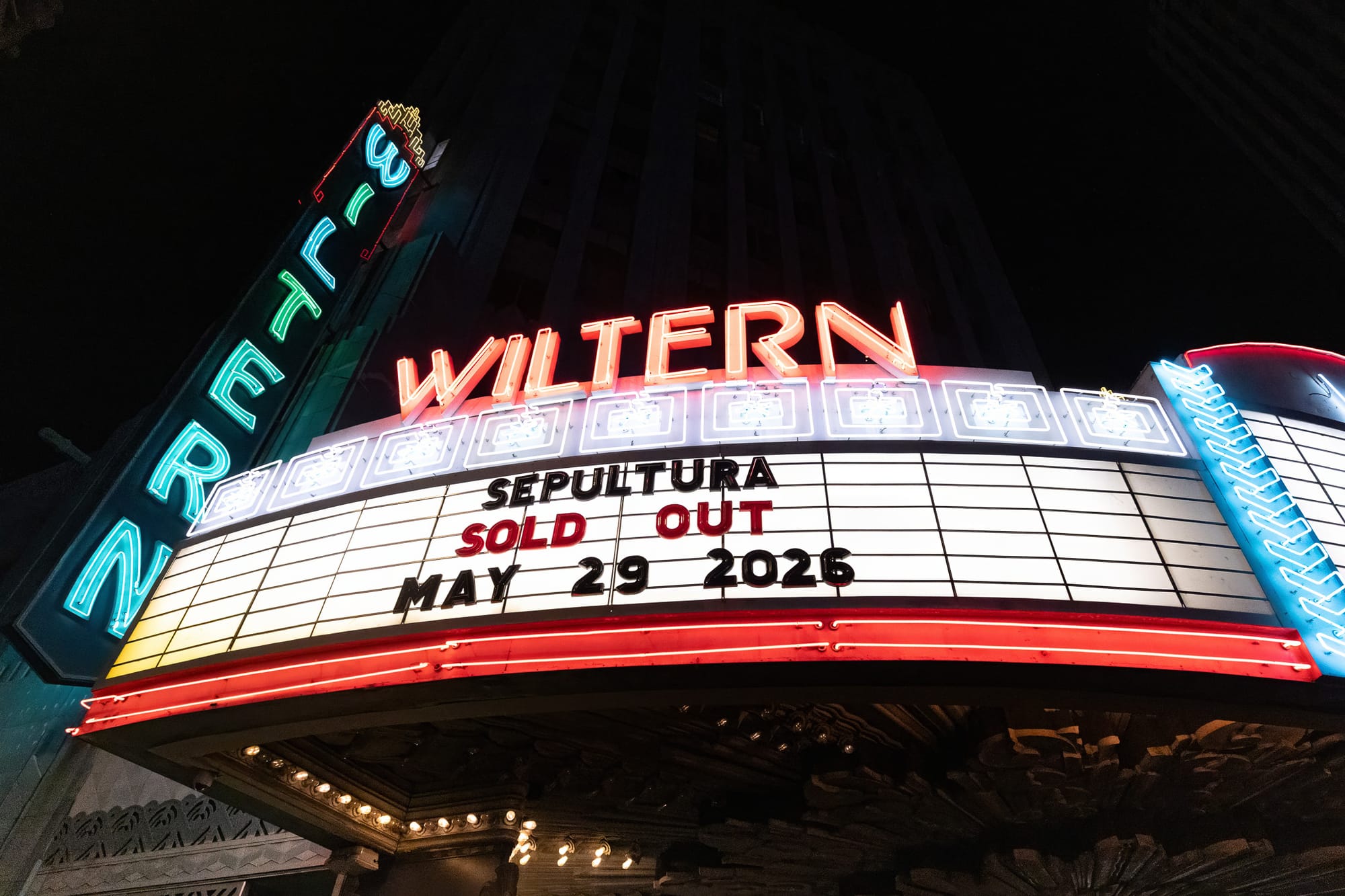
Brothers Max and Igor Cavalera formed Sepultura in Belo Horizonte, Brazil in 1984, and the band took thrash global. Derrick Green replaced Max in 1997. Beneath the Remains (1989) and Chaos A.D. (1993) are the essentials, and the band launched a farewell tour in March 2024. We were there for their last US show ever.
3: Slayer - 3.4 million
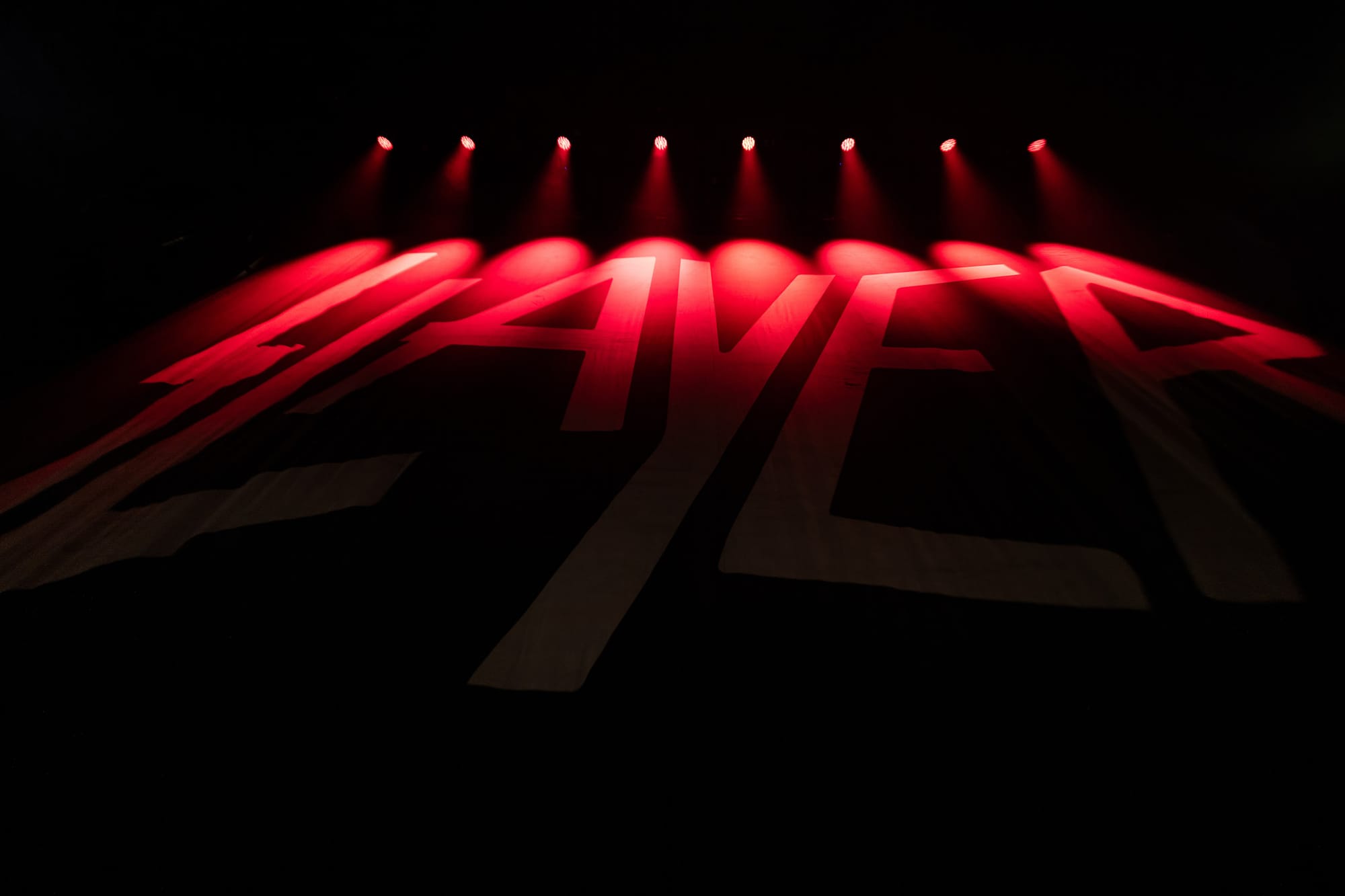
Formed in Huntington Park, California in 1981, Slayer were the fastest and darkest of the Big Four. Tom Araya and Kerry King led them to two Grammy wins before a 2019 farewell tour. Reign in Blood (1986) is the thrash album by which all others get measured. Slayer have played reunion shows since 2024, which we covered in our Slayer concert review and photos.
2: Megadeth - 5.2 million
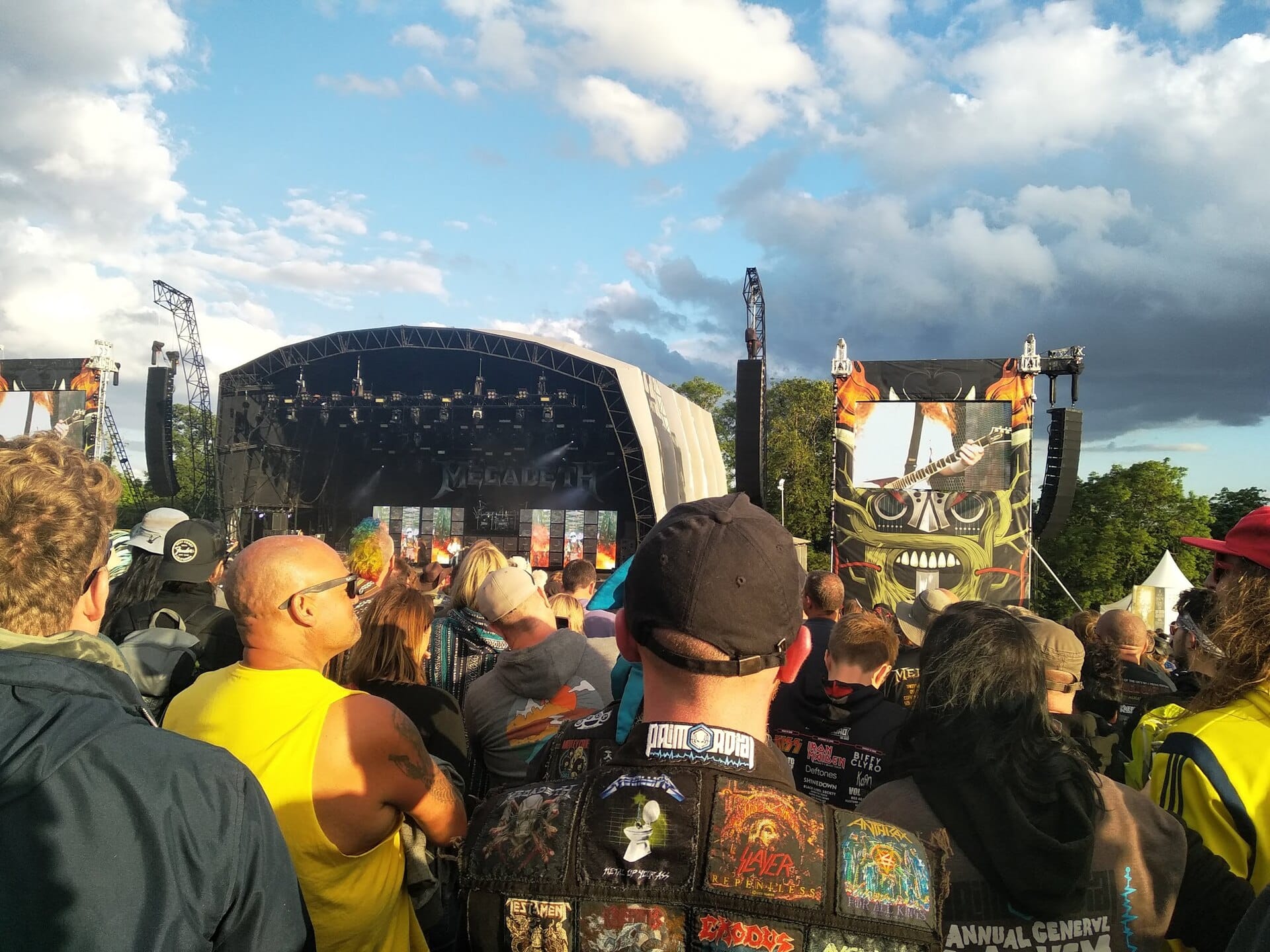
Dave Mustaine formed Megadeth in Los Angeles in 1983 after Metallica fired him, and he has been the only constant through every lineup. Peace Sells... but Who's Buying? (1986) is the place to start. Their final album, Megadeth (2026), became their first No. 1 on the Billboard 200, and the band is on a farewell tour; here are the Megadeth 2027 tour dates.
1: Metallica - 33.1 million

No other thrash band comes close. Metallica formed in Los Angeles in 1981 around James Hetfield and Lars Ulrich, and they have more than six times the listeners of anyone else on this list. Master of Puppets (1986) is thrash's defining album, and the self-titled "Black Album" (1991) has sold more than 16 million copies in the U.S. alone. They have won 10 Grammys and still fill stadiums, as our Metallica Cardiff concert review shows.
Honorable mentions
These bands have the numbers but are usually filed under other genres:
- Pantera (8.8 million): came out of the thrash era but are generally classed as groove metal.
- Trivium (2.5 million): thrash-heavy at times, but usually grouped with metalcore.
- Lamb of God (2 million): often linked with the 2000s thrash revival, but most often described as groove metal.
- Voivod: the Canadian progressive-thrash pioneers have a smaller Spotify audience than the bands above.
New to the genre map? Our guide to every metal genre explained shows where thrash sits next to death, groove and speed metal.
FAQ
Who is the most popular thrash metal band?
Metallica, by a wide margin. They had about 33.1 million Spotify monthly listeners on November 24, 2026, more than six times Megadeth's 5.2 million.
Who are the Big Four of thrash metal?
Metallica, Megadeth, Slayer and Anthrax. All four are American and are credited with popularizing thrash metal in the 1980s.
What is the Big Teutonic Four?
The four leading German thrash bands: Kreator, Destruction, Sodom and Tankard. All four formed in 1982.
When did thrash metal start?
Thrash took shape in the early-to-mid 1980s, mixing new wave of British heavy metal with hardcore punk. It was most commercially successful from about 1985 to 1991.
What is crossover thrash?
Crossover thrash fuses thrash metal with hardcore punk. Suicidal Tendencies and D.R.I. pioneered it, and Municipal Waste and Power Trip carried it into the 21st century.
Is Pantera a thrash metal band?
Pantera are usually classified as groove metal, though their early-'90s sound grew out of thrash. With 8.8 million monthly listeners they would rank second here, so we list them as an honorable mention.


