

7 Ways To Protect Your Heavy Metal Memorabilia
Learn how to protect heavy metal memorabilia from fading and warping while keeping your favorite collectibles proudly on display for everyone to see.


A signed poster from a club show or an original pressing you spent years hunting down can mean far more than its price tag. These pieces bring back the bands and concerts that shaped your connection to heavy music.
Protecting heavy metal memorabilia does not mean hiding every item in a dark closet. It means knowing which pieces need extra care and balancing preservation with display. A few thoughtful habits can help the collection hold up without stripping away the character that made it worth keeping.
1. Decide What Deserves Extra Protection
Not every item needs museum-level treatment. A current tour shirt can stay in regular rotation, while a fragile original from the 1980s probably deserves more careful handling.
Start with pieces that would be difficult or impossible to replace. Limited pressings and signed items should move to the front of the line, especially when they connect to a specific memory. Fading ink or cracking fabric can be an early warning sign. Bent corners and warped packaging also deserve attention.
Condition is not the only factor. A mass-produced item tied to a milestone show may matter more than a rarer piece you bought later. Build your protection plan around what you would regret losing, then give fragile or irreplaceable items the safest spots in the room rather than the most visible shelves.
2. Store Vinyl Without Warping It
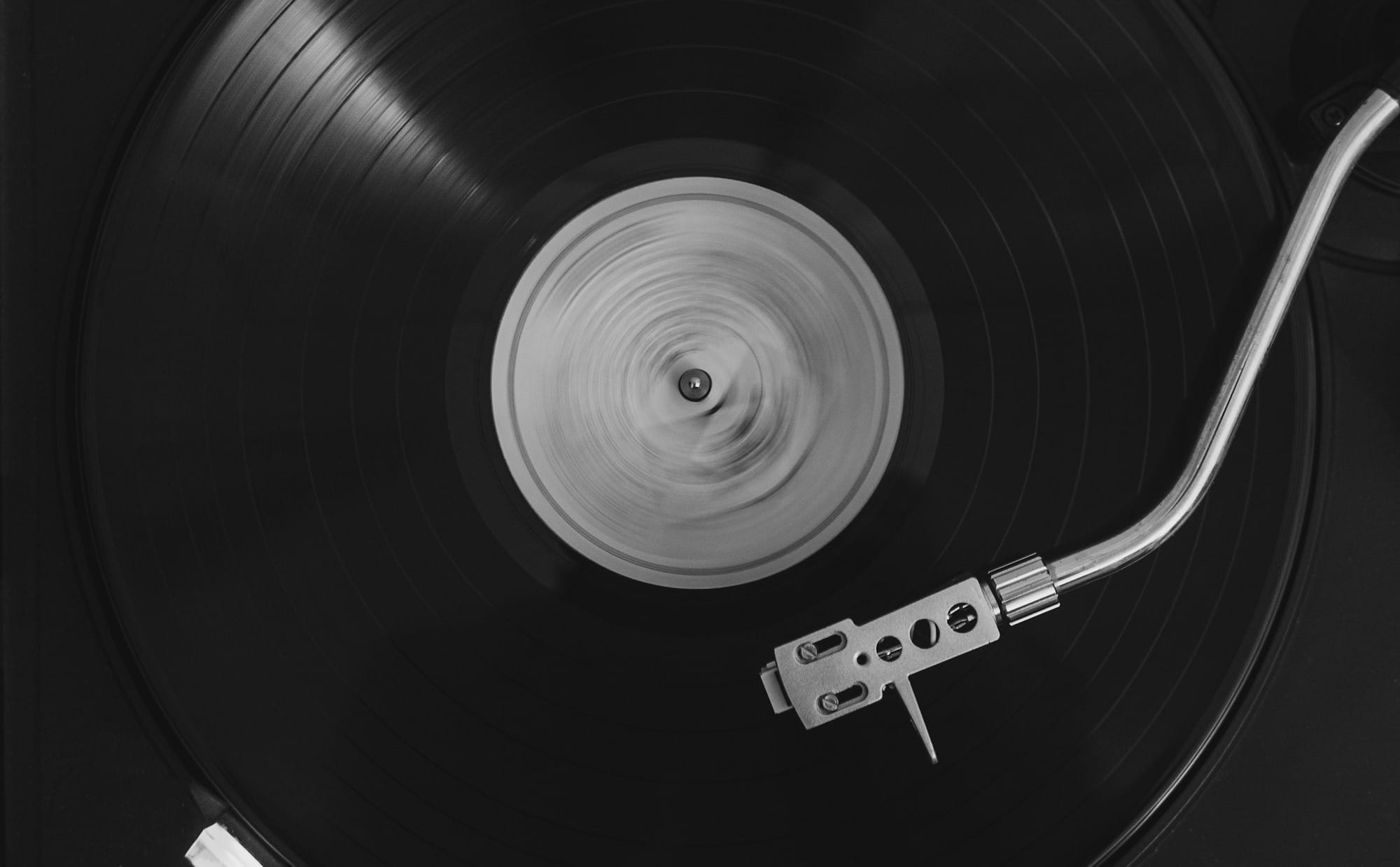
Metal collections grow fast. One favorite album becomes several pressings, then a shelf of colored variants. Before long, the furniture is carrying more weight than expected.
Keep records vertical with enough support to stop the row from leaning sharply. Do not pack them so tightly that pulling out one album damages the sleeve beside it. Because stacked albums put uneven pressure on the discs below, storing vinyl records upright is one of the simplest ways to protect rare pressings from gradual damage.
Outer sleeves can preserve the artwork, while fresh inner sleeves can replace rough or dirty ones. Keep the shelf away from radiators and sunny windows. Damp corners are a poor choice too.
3. Protect Paper From Light and Adhesives
A poster pulled from a venue wall or a setlist caught after the encore may already show wear. That history is part of its appeal. The goal is not to make the item look untouched; it is to prevent new damage.
Use acid-free backing, and avoid permanent adhesives that can stain the paper or make removal nearly impossible. When possible, leave a little space between the item and the front glazing.
Sunlight can slowly fade signatures and printed artwork. Hang signed albums and posters on walls that receive less direct light. UV-filtering glazing helps, but it does not make constant exposure harmless.
For a prized piece you want to see every day, display a quality reproduction and store the original more carefully.
4. Preserve Vintage Tour Shirts Carefully
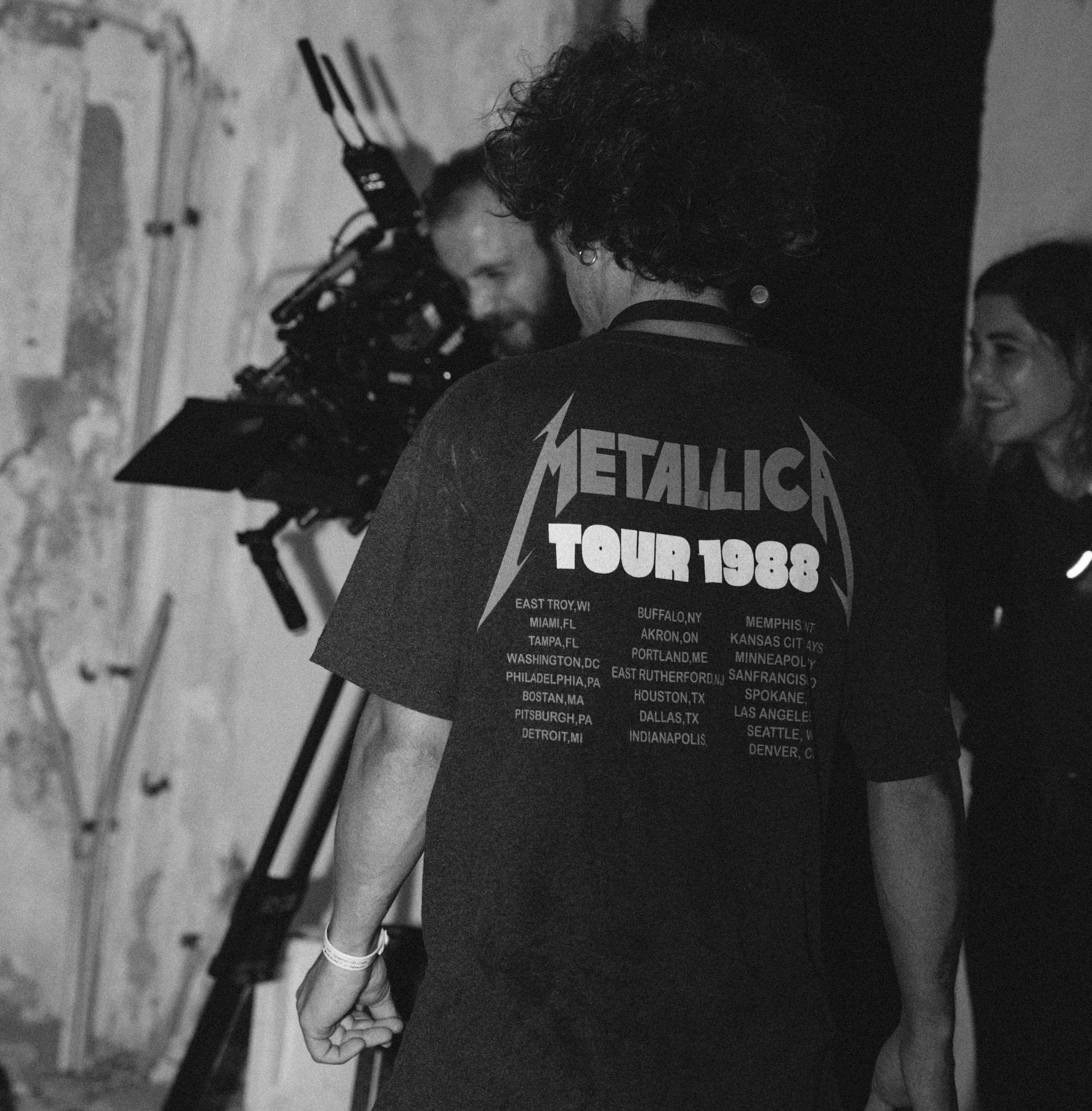
A vintage tour shirt is clothing, but it can also be a time capsule. The fabric may feel thin, and the print may already be starting to crack.
Avoid narrow wire hangers that concentrate the shirt's weight at the shoulders. A padded hanger can work for sturdier fabric. More fragile shirts are often safer folded with suitable tissue supporting the creases.
Let the shirt's condition guide how you clean it. A newer cotton shirt can usually handle more care than a decades-old piece with a brittle print. When the fabric feels weak, aggressive washing may do more harm than the dirt itself.
That does not mean an old shirt has to remain untouched forever. Wearing it to one special show may matter more than keeping it sealed away. Preservation should protect the memory, not remove all the fun.
5. Record the Story Behind Each Piece
A collection loses part of its meaning when nobody remembers where an item came from. The story may be personal rather than valuable on paper, but it is still worth recording.
Write down when and where you found an important piece. Identify signatures while the details are still fresh. A ticket confirmation or photo can help preserve the context.
Keep receipts and certificates with your collection records instead of tucking them behind the display. Loose paperwork can shift and press against a delicate surface.
Photograph valuable items from multiple angles. Those images make changes easier to notice later. They also explain why a battered flyer or marked-up setlist matters.
6. Support Heavy and Awkward Displays
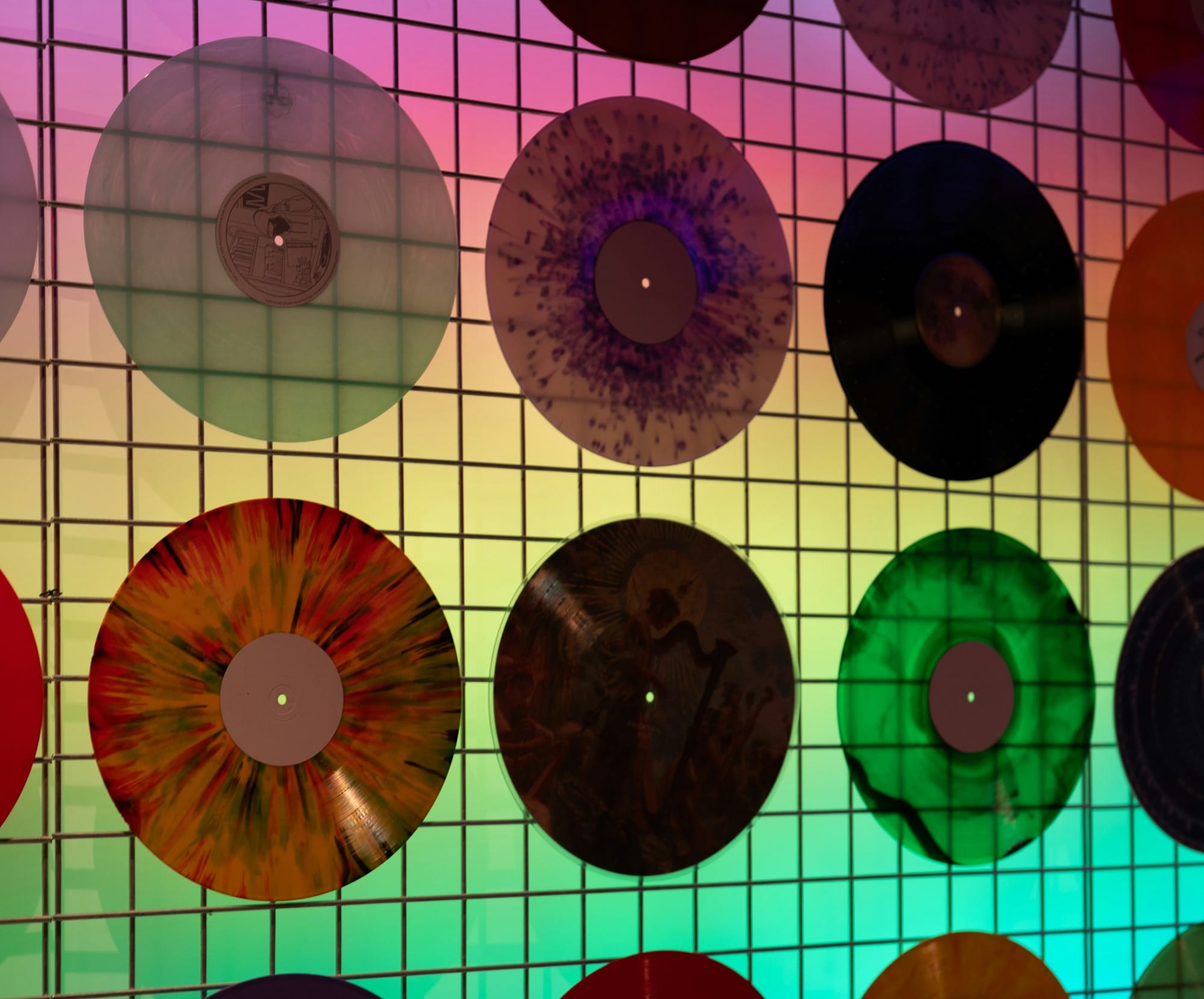
Some metal collectibles were never designed to sit safely on a shelf. Deluxe box sets and signed drumheads need different support than a framed print. Artist-used gear can create its own challenges.
Make sure each item rests on a stable surface without leaning against fragile packaging. Heavy pieces should never sit on records or paper memorabilia. Folded shirts should stay clear of anything that could compress the fabric.
Wall-mounted pieces need hardware suited to their actual weight. A large frame may be fairly light, while a compact display case can be surprisingly heavy.
Keep breakable pieces away from shelf edges and busy walkways. A room can still feel packed with personality without turning every surface into a hazard.
7. Rotate the Collection and Check It
Displaying everything at once can feel satisfying, but rotating your memorabilia gives each piece a break from light and dust. It also brings overlooked items back into view instead of letting them disappear behind newer finds.
Use each change as a quick inspection. Look for leaning records or fading signatures. Check for cracking prints or moisture marks before the damage gets worse. Warped packaging may mean an item needs better support.
A few minutes every several months is usually enough. You may only need to strengthen a shelf or replace a sleeve. Moving a frame out of direct sunlight can also make a difference.
Keep the History Behind the Music Intact
The best way to protect your heavy metal memorabilia is to remember why you collected it in the first place. A record can bring back the first time a riff stopped you in your tracks. A shirt or setlist can put you right back in the room where you saw a favorite band.
Thoughtful preservation does not require sealing everything in boxes. It means giving meaningful pieces the support they need while keeping enough of the collection visible to enjoy.
When the records can still spin, and the shirts can still tell their stories, the history behind the music stays alive.
Thanks for reading!
- Read more of the latest rock/metal news here
- Subscribe to our Metal News Email list for weekly updates!
- Support The Metalverse and go ad-free.
- Follow us on Social Media | Instagram | Facebook
- Listen to our metal Spotify Playlists!
- Join our free 5-day music marketing email course!


