

HIFIMAN Sundara Closed-Back Review


Disclaimer: I received this product in exchange for my honest review. The Metalverse is an independent website, and all opinions expressed are our own with no monetary incentive. We thank the team at HIFIMAN for giving us this opportunity.
HIFIMAN Sundara Closed-Back
Pros
- Good Bass Response for Planar Drivers
- Great Mid-range signature
- High-Quality Beechwood Earcups
- Currently $129 (originally $399)
Cons
- Included Cable is basic
- Mid-range can feel slightly compressed compared to HIFIMAN's open-back models, although overall mid quality is great
The HIFIMAN Legacy: Pushing Planar Boundaries
Founded in 2007 by Dr. Fang Bian, HIFIMAN has established itself as one of the most innovative planar magnetic headphone manufacturers in the world. What started as a company focused on high-end portable audio players quickly evolved into much more, delivering everything from the affordable HE400 series to the legendary $6,000 Susvara flagship.
Dr. Fang’s background in nano-materials research directly influences HIFIMAN’s proprietary technologies, including the NEO Supernano Diaphragm and Stealth Magnet design. These innovations trickle down from flagship models to more affordable products, giving budget-conscious audiophiles access to technology that previously costed thousands more.
The HIFIMAN Sundara Closed-Back
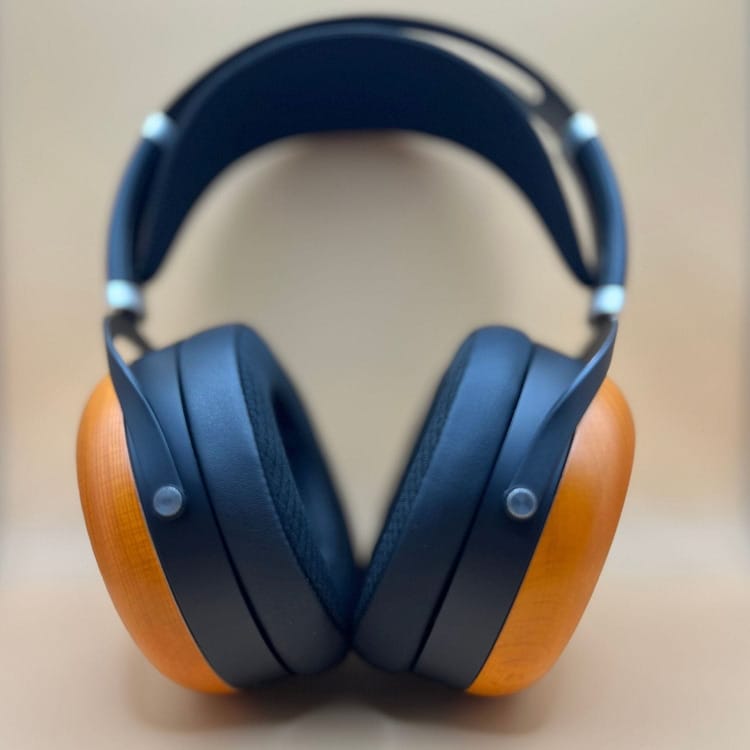
The Sundara Closed-Back is a full-sized, closed-back planar magnetic headphone that launched in 2022 at $399 but has now floated down to $129 USD. Despite sharing the “Sundara” name with its open-back counterpart, it’s a completely redesigned headphone with a unique oval planar driver, beechwood earcups, and a warmer, bass-forward sound.
The oval driver design is nearly exclusive within HIFIMAN’s lineup, measuring approximately 80mm x 60mm. Unlike the original Sundara’s single-sided magnet structure, the Closed-Back employs dual-sided Stealth Magnets—the same technology found in higher-end models. These magnets feature acoustically transparent shapes that reduce wave diffraction and distortion to barely audible levels.
The most striking visual feature is the hand-assembled beechwood earcups, finished in a warm amber/yellow tint.
Build Quality & Design
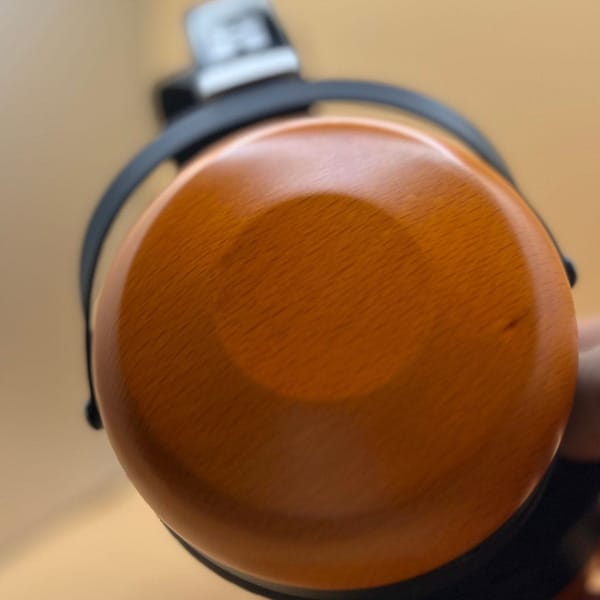
Picking up the Sundara Closed-Back immediately reveals a build with a durable feel to it. The beechwood earcups are substantial and premium, with a hand-crafted quality that elevates the design above typical plastic headphones. The natural wood grain varies between pairs, giving each unit subtle uniqueness. The beechwood also provides acoustic damping that helps control internal reflections within the closed chambers.
The headband borrows directly from the original Sundara’s suspension strap design. A steel frame provides flexibility and spring tension, while leather padding cradles your head comfortably. The suspension system automatically adjusts to different head sizes without notches or adjustment mechanisms. For their current price of $129, we find the build quality of the Sundara Closed-Back to be much higher than average.
At 432 grams, these aren’t particularly heavy, though they’re noticeably heavier than dynamic closed-backs like the Beyerdynamic DT 770 Pro and other HIFIMAN models like the HE-R9. The weight distribution works well, thanks to the suspension headband.
The included cable is HIFIMAN’s standard rubber cable with dual 3.5mm connectors (one per earcup). It terminates in a 90-degree 3.5mm plug with a 6.3mm adapter included. The cable gets the job done, but is basic.
Sound Quality
Bass
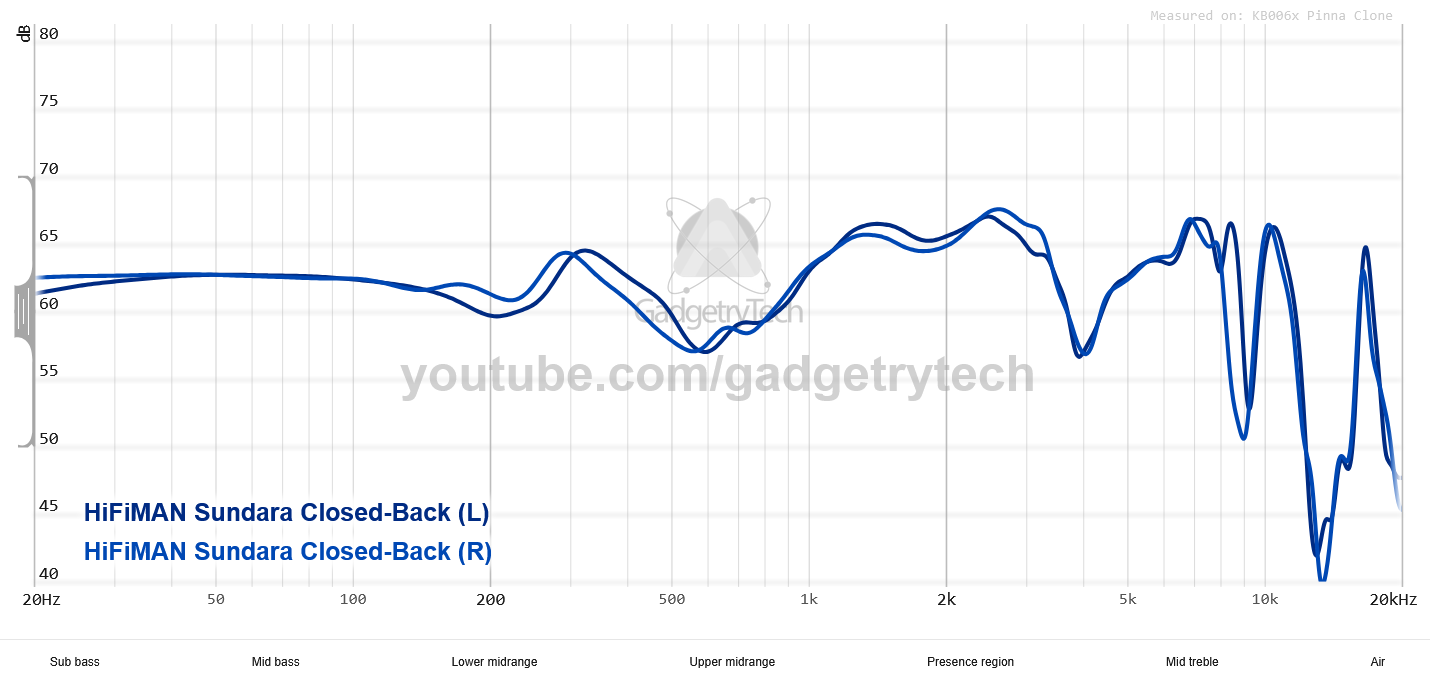
The Sundara Closed-Back’s overall bass comes across punchy and fast with good decay that doesn't noticeably bleed into the mid frequencies. The Sundara Closed-Back's bass has much less rumble than the HIFIMAN HE-R9, but the Sundara Closed-Back doesn't feel like it's lacking low-end performance; it instead feels more technical and precise. Sub-bass seems to be slightly less present than mid-bass, which won't deliver a thundering bass signature, but does contribute to more detail and distinction across the board.
Mids
The Sundara Closed-Back comes across with a mid-forward tuning that brings vocals and lead instruments to the front and center. This creates an intimate, engaging presentation that is mid-range focused.
I do notice that the emphasized signature of the mid-range reveals a great amount of detail, but can at times lead to a slightly more compressed or less expansive feel to the overall sound.
Clarity and detail retrieval are excellent for the price. You can pick out individual instruments in complex mixes with impressive precision. Separation is genuinely good—better than many other closed-back headphones.
Treble
The high-frequency response follows HIFIMAN’s more recent tuning philosophy—generally smoother and less aggressive than older models that earned reputations for treble brightness. The Sundara Closed-Back won’t fatigue treble-sensitive listeners, as the overall energy level remains controlled and polite.
However, there are peaks in the lower treble region that create moments of unexpected sparkle. The treble isn't overshadowed by mid and low frequencies, but still keeps an energetic sound that doesn't come across as dark as the HE-R9. The treble feels fairly neutral and conveys impressive detail without excessive brightness. The treble isn't mind-blowing, but for its current price of $129, the Sundara Closed-Back definitely punches well above its weight compared to many other options in the price range.
Technical Performance
The soundstage I would describe to be about medium in overall size, creating a relatively good feeling of height, depth, and width around you, but it doesn't feel particularly expansive.
Imaging is good for the price range, although sounds tend to come across more forward in character rather than in a full 360-degree; though most headphones have similar imaging until much higher prices.
Overall, the Sundara Closed-Back does have an impressive technical performance with fast and versatile sound reproduction that can be used as a great all-rounder.
Comfort & Isolation
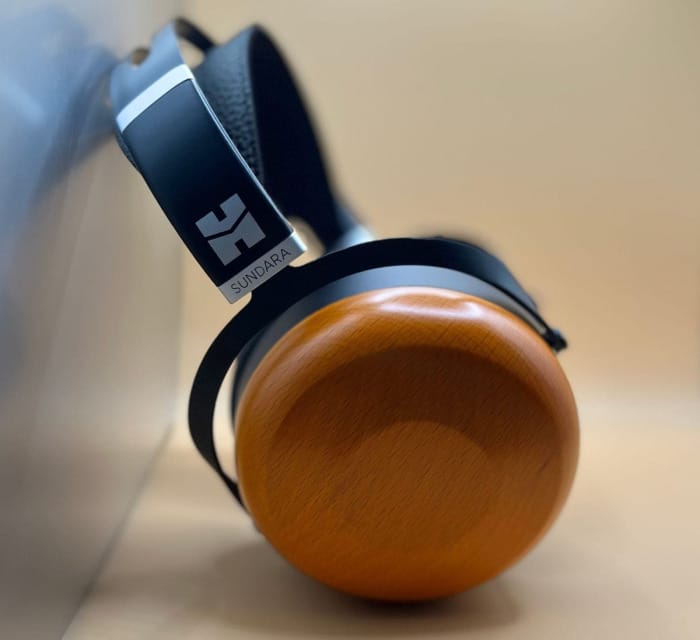
HIFIMAN designed the Sundara Closed-Back for extended listening sessions, and comfort is exceptional here. The suspension headband distributes weight evenly without creating pressure points, and the lack of adjustment mechanisms means no squeaky or loose parts.
The hybrid earpads are similar to most HIFIMAN models in this budget, with leather exteriors and fabric mesh on the ear-facing side. The pads are deep enough to fit most ear sizes with little to no contact. The moderate clamping force feels more secure than the HE-R9 but doesn't feel so tight that it will cause fatigue.
At 432 grams, they’re heavier than dynamic alternatives but lighter than many planar designs. The weight becomes noticeable during very long sessions, but it isn’t uncomfortable with the suspension headband supporting most of the weight.
I would describe the isolation as medium, blocking out some background noise but not creating a heavily isolated feel. Sound leakage is relatively light, although noticeable on higher volumes.
How the Sundara Closed-Back Compares to Similar Headphones
vs. HIFIMAN HE-R9
The approach for the HE-R9 is much different from the Sundara Closed-Back, trading off technicality and detail instead for a colorful and very bass-heavy signature. For bass heads and those who want a fun tuning, the HE-R9 delivers a booming bass response that will rattle your brains, but this comes at the cost of some clarity.
The Sundara Closed-Back delivers a punchy amount of bass, but is not as drastic as the HE-R9, leading to a much more accurate, fast, and detailed overall sound signature. The Sundara Closed-Back is a more versatile and audiophile-geared headphone that also has a better build quality, although if you are looking for maximum bass performance, you will prefer the HE-R9.
vs. Sundara Open-Back
The original Sundara is much different from the closed-back iteration, offering a lesser bass performance but an improved soundstage and slightly superior treble. The Open-back has a more accurate and neutral sound, while the Closed-back appeals to people who want a more "fun" bass tuning and better isolation.
Our Verdict
The HIFIMAN Sundara Closed-Back offers great performance for its $129 USD pricepoint and gives a fun amount of bass while not overwhelming mid and high frequencies. With a mid-focused tuning and great speed and technicality, it's a good, well-rounded headset for daily use.
If you’re seeking HIFIMAN’s expansively neutral, reference sound, stick with the open-back Sundara, Deva Pro or Edition XS. But if you need closed-back isolation while maintaining planar performance, want bass impact that open designs can’t deliver, and enjoy warm, engaging tonality, the Sundara Closed-Back hits a sweet spot that few competitors occupy.
Technical Specifications Summary
- Type: Closed-back over-ear planar magnetic headphones
- Driver: Oval planar magnetic (approximately 80mm x 60mm)
- Magnet Design: Dual-sided Stealth Magnets (acoustically transparent)
- Diaphragm: NEO Supernano (nanometer-grade thickness)
- Frequency Response: 6Hz - 75,000Hz
- Impedance: 20Ω
- Sensitivity: 98dB
- Weight: 432g (15.2oz)
- Earcup Construction: Hand-assembled beechwood (amber/yellow tint)
- Headband: Suspension strap with steel frame and leather padding
- Earpads: Hybrid (leather exterior, fabric mesh interior)
- Cable: Detachable dual 3.5mm TRS, 1.5m length, 90-degree plug
- Accessories: 3.5mm to 6.3mm adapter


