

How to Successfully Organize a Live Concert
Let’s examine everything you need to know about how to successfully organize a live concert to ensure you can make any performance unforgettable.


Bringing a live concert to life feels exciting from the first idea to the final encore. A well-planned event creates energy, draws a crowd, and leaves a lasting impression long after the lights go down. Today, we’ll dive into our walkthrough on how to successfully organize a live concert. If you’re ready to create a show that feels truly unforgettable, now is the time to jump in and start shaping your event.
Establish Your Creative Vision
Every strong concert begins with a vision that sets the tone. Think about the type of experience you want to deliver, from intimate acoustic vibes to a high-energy stage packed with lighting effects. This vision will influence your venue, artist selection, and even the layout of the space. When your concept feels cohesive, every decision becomes easier to manage.
It helps to picture the audience and what they expect from the night. A college crowd will react differently from a church group or a corporate audience. Aligning your vision with their expectations creates a smoother experience from start to finish. That connection builds excitement before the first note even plays.
Lock in the Right Venue
The venue shapes the entire concert experience, so this step deserves attention. Look for a space that matches your expected crowd size and supports your technical needs. A venue that feels too large can drain energy, while one that feels cramped can cause discomfort.
Indoor venues provide more control over sound, lighting, and setup. This control allows you to create a polished atmosphere that feels effortlessly professional. Pipe and drape systems can transform plain spaces into stunning concert environments with defined stages and backdrops, which adds visual appeal without permanent changes.
Build a Realistic Budget

A solid budget keeps your concert on track and avoids last-minute stress. Break down expenses into categories such as talent, venue, equipment, staffing, and promotion. This structure helps you see where your money goes and where adjustments may help.
Set aside a portion for unexpected costs. Small surprises can pop up during any event, and having a buffer keeps things steady. A clear budget also helps you price tickets in a way that supports your goals without turning away potential attendees.
Secure Talent Early
Artists play a huge role in your concert’s success, so early booking gives you an advantage. Reach out to performers who align with your vision and audience preferences. Once you confirm talent, you can begin promotion with confidence.
Clear communication with artists keeps everything on track. Share timelines, expectations, and technical requirements well in advance. When everyone understands the plan, the event runs more smoothly and feels more coordinated.
Design a Functional Layout
Starting with a clear layout is one of the best ways to prepare a large venue for an event. A thoughtful layout keeps your concert organized and enjoyable. Plan the stage position, seating or standing areas, entry points, and pathways for movement. A well-structured space helps guests move comfortably without confusion.
Pipe and drape can create clean divisions between areas such as backstage zones, VIP sections, and crowd pathways. This approach keeps everything organized while maintaining a polished look. It also adds flexibility, which allows adjustments as your event evolves.
Focus on Sound and Lighting

Sound quality can elevate or weaken the entire concert. Work with experienced technicians who understand how to balance audio across the venue. Clear sound allows every attendee to enjoy the performance, no matter where they stand.
Lighting adds another layer of excitement. Strategic lighting can highlight performers, create mood shifts, and guide attention across the stage. When sound and lighting work together, the concert feels immersive and engaging.
Promote With Purpose
Promotion builds anticipation and drives attendance. Use a mix of social media, email campaigns, and local outreach to spread the word. Consistent messaging helps your audience understand what to expect from the event.
Visual content can capture attention quickly. Share behind-the-scenes previews, artist highlights, and setup progress to build excitement. A steady flow of updates keeps your concert fresh in people’s minds as the event date approaches.
Plan for Crowd Flow and Safety
A smooth crowd experience starts with thoughtful planning. Entry points, exits, and pathways should allow easy movement without congestion. Staff members should know how to guide attendees and respond to any issues.
Safety measures should feel present but not overwhelming. Clear signage, visible staff, and organized layouts create a sense of control. When guests feel comfortable, they can focus on enjoying the music and atmosphere.
Coordinate Your Team
A strong team keeps everything running on schedule. Assign clear roles so each person understands their responsibilities. From setup crews to event coordinators, every role contributes to the overall experience.
Communication plays a big role in coordination. Regular check-ins before the event help everyone stay aligned. On the day of the concert, quick updates will keep things moving without confusion.
Prepare for Setup and Breakdown
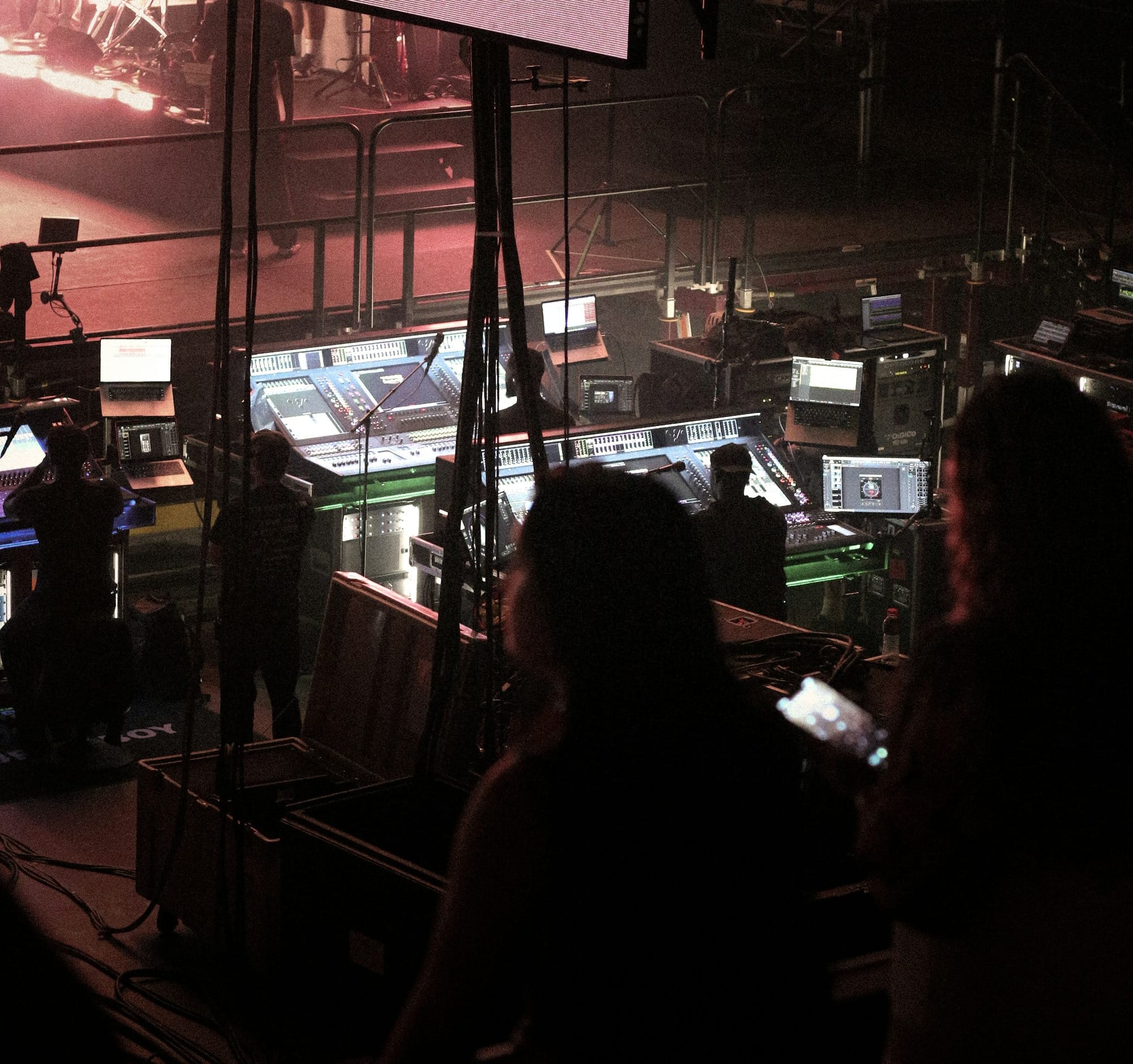
Learning how to successfully organize a live concert will highlight how important the setup and breakdown processes are for any venue. Setup requires attention to detail and proper timing. Arrive early to allow enough time for staging, sound checks, and final adjustments. A well-organized setup process prevents rushed decisions later.
Breakdown deserves just as much planning. Assign tasks in advance so equipment and materials get handled efficiently. A smooth wrap-up leaves a positive impression on both your team and the venue staff.
Create a Memorable Atmosphere
A concert should feel more than just organized; it should feel alive. Décor, lighting accents, and backdrop designs can turn a standard venue into a breathtaking experience. Small details such as branded visuals or themed elements can elevate the entire event. Pipe and drape setups work well for creating dramatic backdrops and polished stage areas. These elements add depth and style without overwhelming the space.
Wrap Up and Reflect
After the final performance, take time to review the event. Look at what worked well and where improvements can happen. Feedback from attendees and team members will provide valuable insights.
This reflection helps you grow and refine future events. Each concert becomes a learning experience that builds confidence and skill over time. With each step forward, your events can reach a higher level of quality and impact.
Planning a concert takes effort, creativity, and attention to detail, but the payoff feels worth it when everything comes together. Are you ready to create a stunning event that leaves a lasting impression? Start planning and bring your concert idea to life
Thanks for reading!
- Read more of the latest rock/metal news here
- Subscribe to our Metal News Email list for weekly updates!
- Support The Metalverse and go ad-free.
- Follow us on Social Media | Instagram | Facebook
- Listen to our metal Spotify Playlists!
- Join our free 5-day music marketing email course!


