

Studio Maintenance Tips for Better Sound and Longevity
Keep your studio running smoothly with smart maintenance habits that improve sound quality, extend gear life, and prevent costly technical issues.


A well-maintained studio is more than just a clean and organized space; it’s the foundation for consistent sound quality and reliable performance. Whether you’re a home producer, session musician, or running a professional recording environment, small maintenance habits can make a significant difference in how your gear performs over time. Ignoring these details can lead to signal issues, equipment failure, and unnecessary expenses. By building a routine around studio maintenance tips for better sound and longevity, you can protect your investment and ensure your setup is always ready to perform at its best.
Keep Your Cables Organized and Inspected
Cables are often the most overlooked component in any studio, yet they are critical to signal flow and sound quality. Tangled, bent, or poorly stored cables can lead to interference, crackling audio, or complete signal loss. Over time, wear and tear is inevitable, especially in high-use environments.
Make it a habit to inspect your cables regularly. Look for signs of fraying, exposed wiring, or loose connectors. Even minor damage can compromise your sound or pose safety risks. If you notice issues, it’s important to address them quickly. If you notice your electric or instrument cables are in a state of heavy deterioration, then you’ll want to know how to handle those frayed cables safely without causing further damage to your gear.
Proper storage is just as important. Use the over-under coiling method to prevent internal wire damage, and avoid wrapping cables tightly around equipment. Labeling your cables can also save time during setup and troubleshooting, especially in larger studios.
Control Dust and Environmental Factors
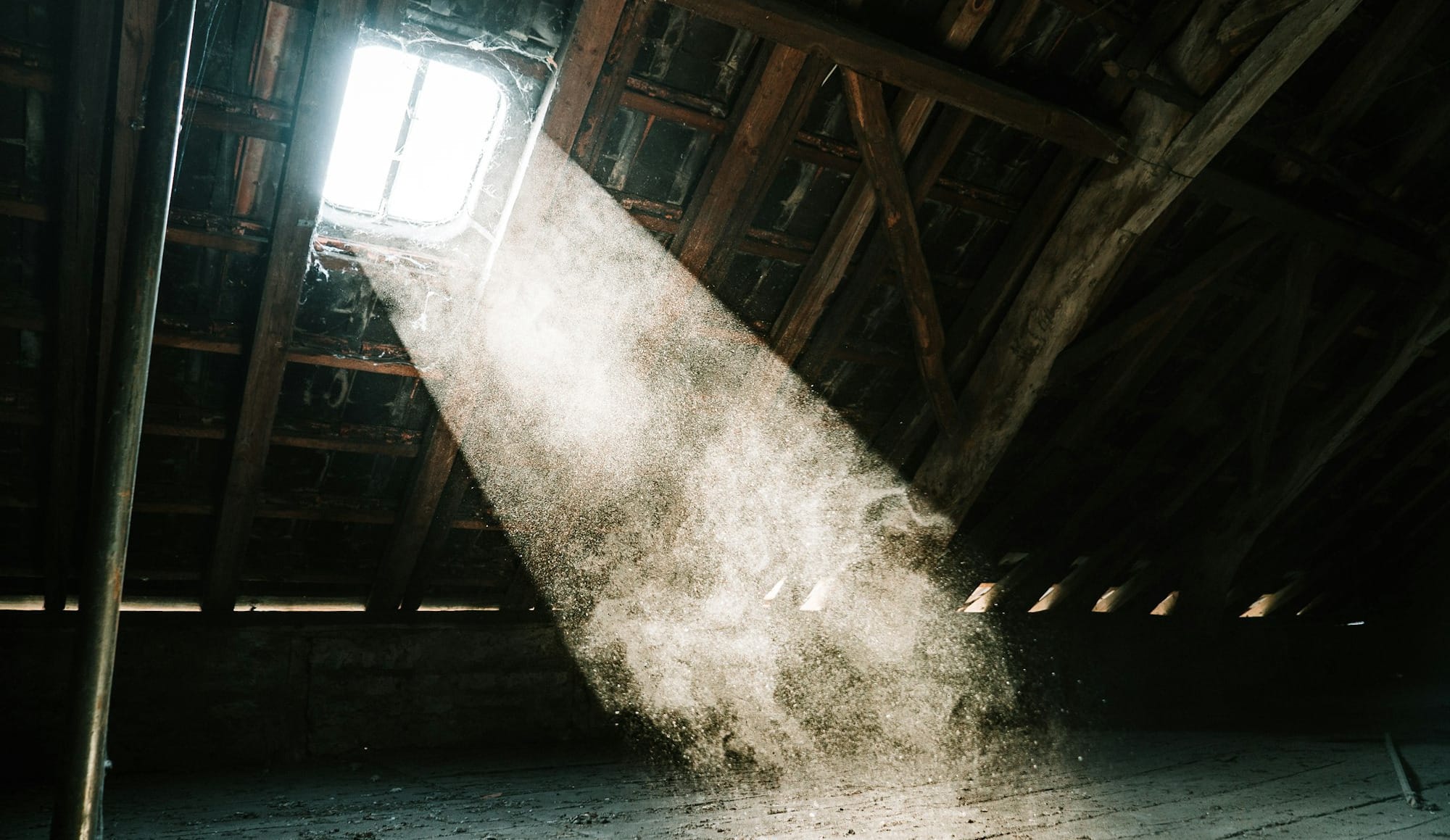
Dust is one of the biggest enemies of studio equipment. It can accumulate inside mixers and instruments, affecting performance and potentially causing overheating. Regularly wiping down surfaces and using protective covers when equipment is not in use can significantly extend the life of your gear.
Humidity and temperature also play a major role in equipment longevity. High humidity can damage electronic components and warp wooden instruments, while extremely dry conditions can lead to static buildup. Aim to maintain a stable environment with moderate humidity levels and consistent temperature.
Air circulation is another key factor. Ensure that your gear, especially rack-mounted equipment, has proper ventilation to prevent overheating during long sessions.
Maintain Clean Power and Connections
Power quality is often overlooked, but it directly impacts the performance and lifespan of your studio equipment. Using surge protectors or power conditioners can protect your gear from voltage spikes and electrical noise. This is particularly important in home studios where power fluctuations may be more common.
Check your power cables and outlets periodically. Loose connections can cause intermittent issues that are difficult to diagnose. Keeping your power setup organized and secure helps minimize these risks.
It’s also worth periodically unplugging and re-seating connections. Oxidation can build up on connectors over time, leading to poor signal transmission. A simple reconnection can often resolve subtle audio issues.
Clean and Care for Your Instruments
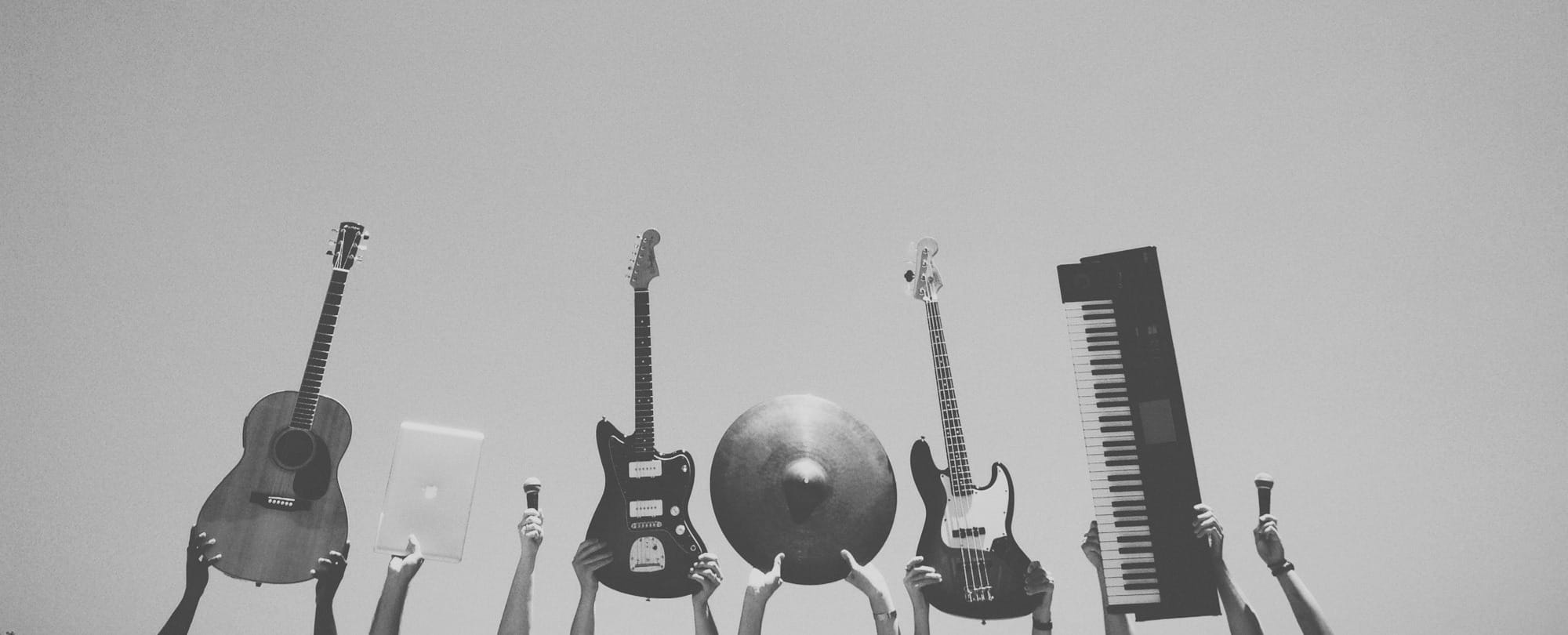
Instruments are at the heart of any studio, and their condition directly affects the quality of your recordings. Regular cleaning and maintenance are essential for preserving tone and playability.
For guitars and basses, this means wiping down strings after use, conditioning fretboards, and checking for loose hardware. Keyboards and MIDI controllers should be kept free of dust and debris, especially around keys and pads. For acoustic instruments, maintaining proper humidity levels is crucial to prevent cracking or warping.
Microphones also require careful handling. Store them in protective cases when not in use, and avoid exposing them to moisture or extreme temperatures. Periodically check microphone cables and mounts to ensure everything is secure and functioning properly.
Optimize Your Studio Layout
A well-organized studio isn’t just about aesthetics; it directly impacts workflow and equipment longevity. Poor layout can lead to unnecessary strain on cables, accidental damage, and inefficient sessions.
Position your equipment in a way that minimizes cable tension and allows for easy access. Avoid running cables across high-traffic areas where they can be stepped on or pulled. Cable management solutions like clips, trays, and sleeves can help keep everything in place.
Ergonomics also play a role. Ensuring that your workstation is comfortable reduces fatigue and helps you maintain focus during long sessions. This, in turn, reduces the likelihood of accidents or mishandling equipment.
Schedule Routine Equipment Checks
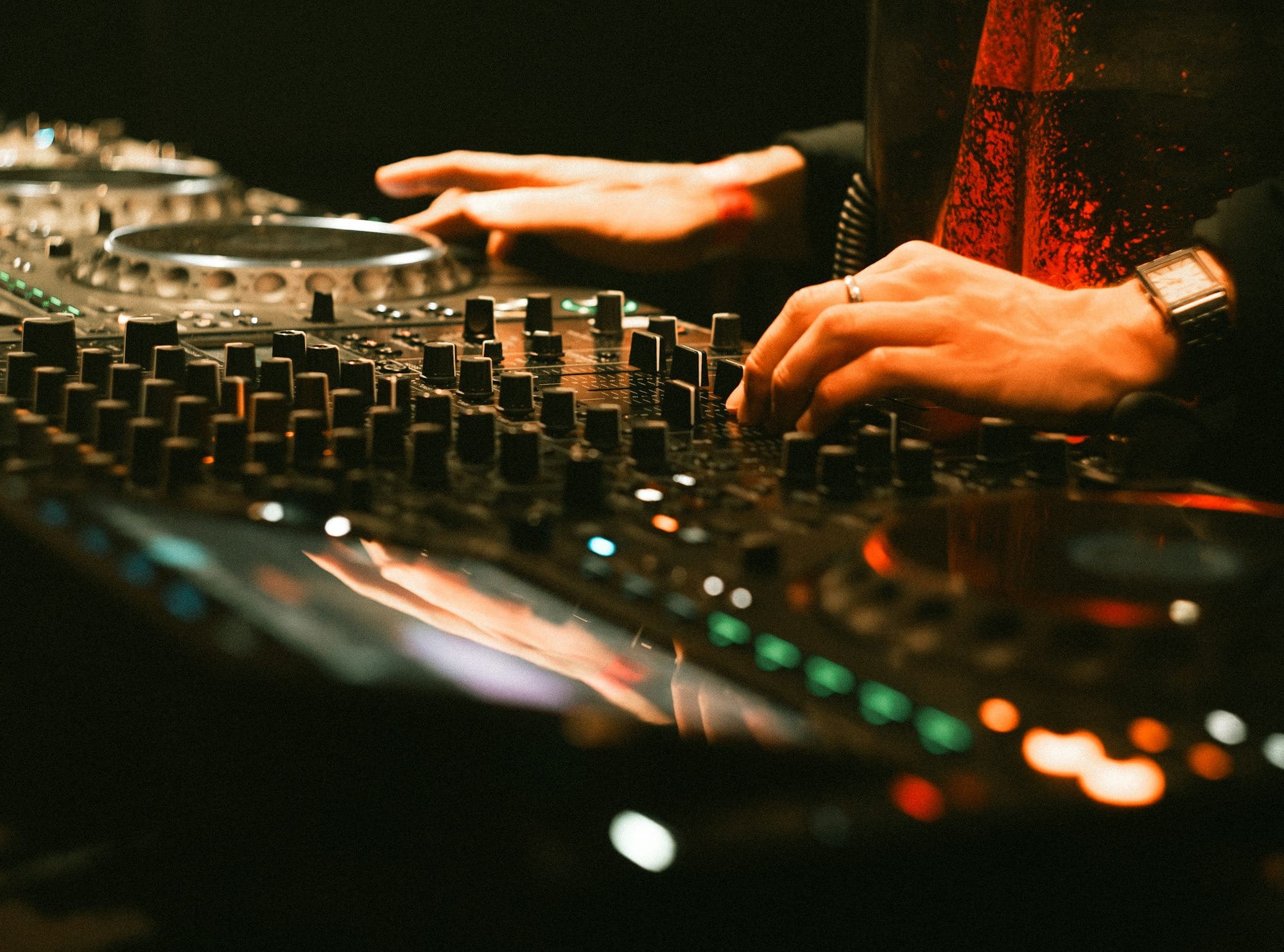
Preventive maintenance is always more cost-effective than reactive repairs. Setting a regular schedule for checking your equipment can help you catch small issues before they become major problems.
During these checks, test your signal chain from end to end. Listen for distortion or dropouts. Verify that all connections are secure and that your gear is functioning as expected. Keeping a simple log of these checks can help you track recurring issues and identify patterns over time.
Software updates are another important aspect of maintenance. Keeping your DAW, plugins, and firmware up to date ensures compatibility and can improve performance. However, it’s wise to test updates in a controlled way to avoid disrupting your workflow.
Store and Transport Gear Properly
If you frequently move your equipment between locations, proper storage and transport are essential. Invest in quality cases and padding to protect your gear from physical damage. Avoid stacking heavy items on top of delicate equipment, and secure cables separately to prevent tangling and stress.
When setting up at a new location, take a few extra minutes to ensure everything is connected correctly and safely. Rushing through setup increases the risk of mistakes that can damage your equipment or affect performance.
Stay Proactive About Small Issues
One of the most important aspects of studio maintenance is mindset. It’s easy to ignore minor problems, especially when they don’t immediately impact your work. However, small issues often escalate over time, leading to bigger disruptions and higher costs.
A slightly noisy cable, a loose connection, or a dusty interface may not seem urgent, but addressing these problems early can save you significant trouble down the line. Building a habit of proactive maintenance ensures that your studio remains a reliable and creative space.
Keep Your Sound Top Quality

Maintaining your studio is an ongoing process that pays off in both sound quality and equipment longevity. By taking the time to care for your cables, control your environment, manage power, and stay on top of routine checks, you create a setup that supports your creativity rather than hindering it.
By consistently applying studio maintenance tips for better sound quality, you ensure that your equipment performs reliably and your recordings maintain a professional standard. In a space where every detail affects the final sound, consistent maintenance isn’t just a technical necessity; it’s part of the craft. When your gear is in top condition, you can focus fully on making music, knowing that your studio is working with you every step of the way.
Thanks for reading!
- Read more of the latest rock/metal news here
- Subscribe to our Metal News Email list for weekly updates!
- Support The Metalverse and go ad-free.
- Follow us on Social Media | Instagram | Facebook
- Listen to our metal Spotify Playlists!
- Join our free 5-day music marketing email course!


