

Kiwi Ears Cadenza II Review: Is it Better than the Original Cadenza?
Today, we will be reviewing the new Kiwi Ears Cadenza II In Ear Monitor. Currently priced at $50 USD, it has a warm-leaning neutral tuning and features new KARS 2.0 Tuning.


AUDIO PRODUCT NAME
Pros
- Cleaner, slightly more detailed sound than original
- Great technical performance for price
- Smooth, warm-leaning, neutral tuning
- Durable and comfortable build
Cons
- Soundstage is good, but not exceptional for the price bracket
Kiwi Ears' Budget Audio Mission
Kiwi Ears is a relatively young Chinese audio brand owned by Linsoul Audio. Since entering the budget IEM market, Kiwi Ears has built a solid reputation for delivering high-quality in-ear monitors that punch well above their weight class. The brand's philosophy centers on making audiophile-grade sound accessible to everyone, with most of its offerings sitting comfortably under $100.
The original Cadenza, released in 2022, quickly became a cult favorite in the budget IEM community, earning praise for its beryllium driver implementation and balanced tuning at just $50. Now, Kiwi Ears has returned with the Cadenza II, promising improved driver technology, upgraded materials, and refined tuning that aims to set a new standard for what's possible in ultra-budget audio.
What Is The Kiwi Ears Cadenza II?
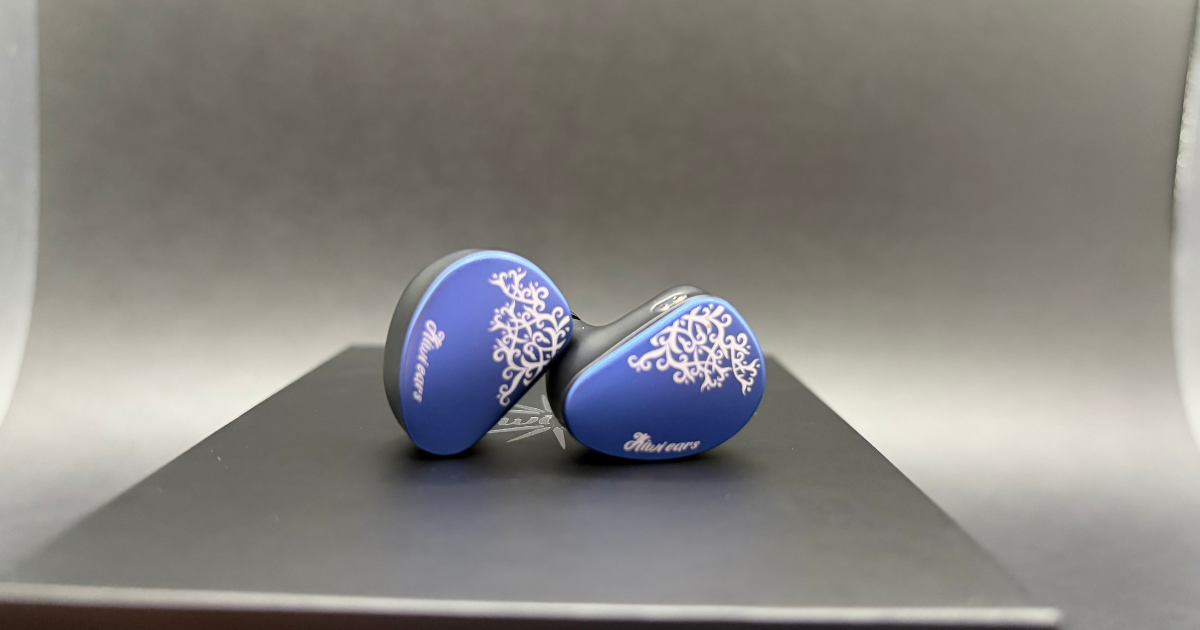
The Kiwi Ears Cadenza II is an entry-level single dynamic driver in-ear monitor that represents an evolution of the beloved original Cadenza. At its core sits a newly developed titanium-coated PET (polyethylene terephthalate) diaphragm driver paired with a high-performance magnetic array structure. According to Kiwi Ears, this dynamic driver delivers their highest level of performance and resolution to date.
The Cadenza II features upgraded KARS 2.0 acoustic tuning technology, which has been meticulously redesigned to match the new titanium driver's characteristics. The result is a neutral yet engaging sound signature that aims to balance accuracy with musicality—a difficult feat at any price point, let alone at around $50.
The package includes the IEMs themselves, six pairs of ear tips in three sizes (including the highly praised wide-bore design), a 1.2-meter detachable cable with single-crystal copper construction, and basic documentation. While there's no carrying case included, the overall presentation feels more premium than the asking price suggests.
Unboxing
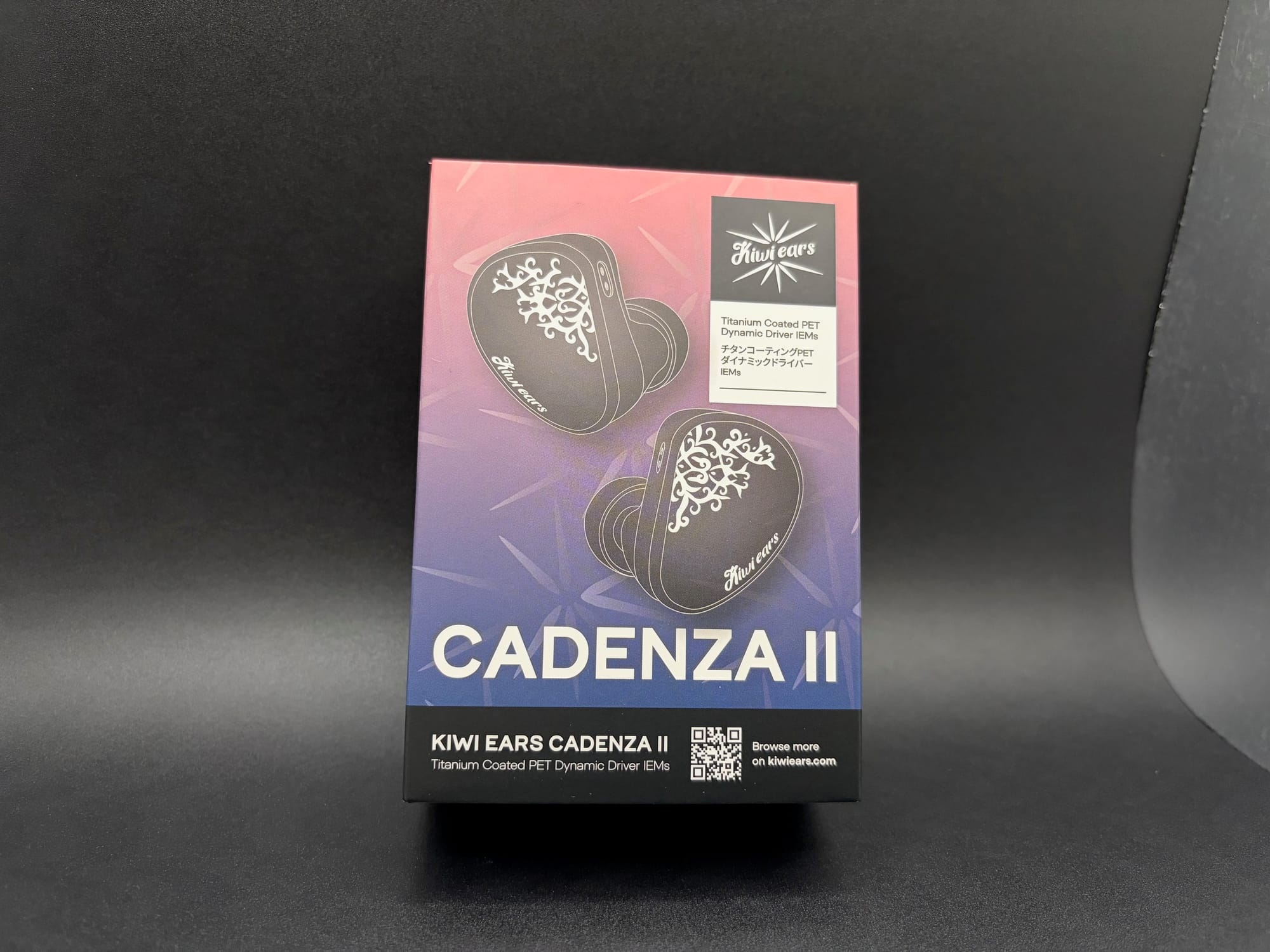
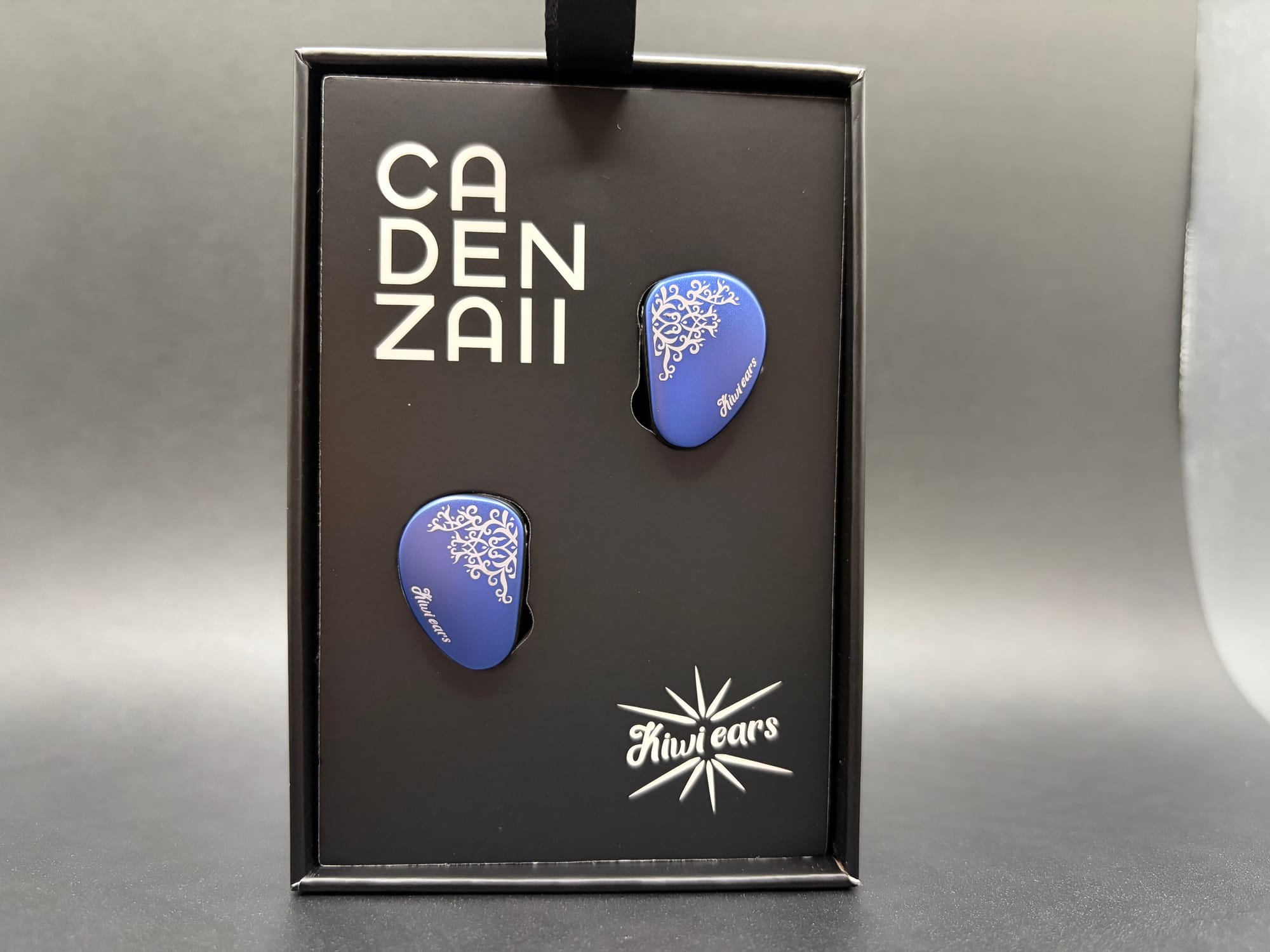
What's In The Box?
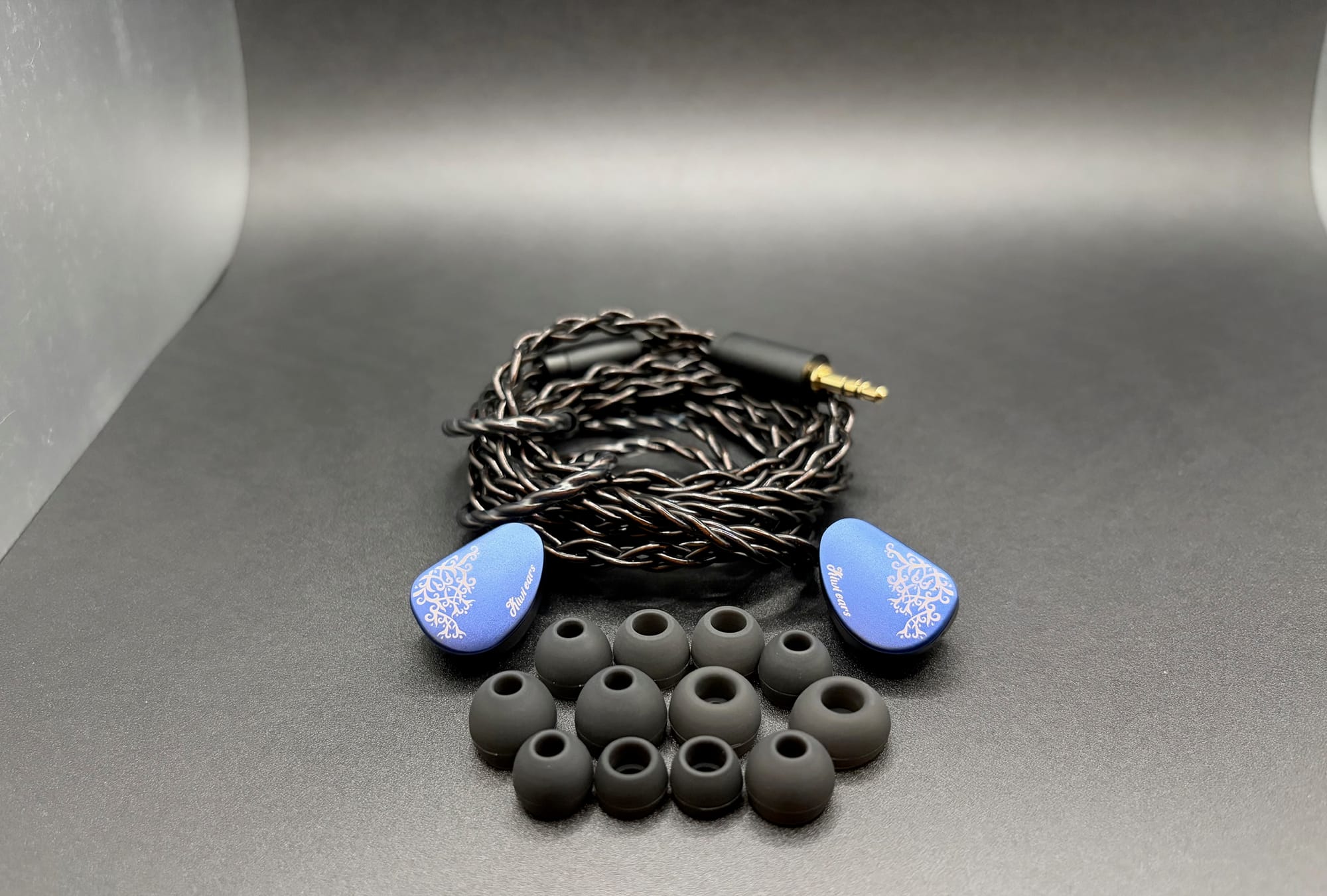
- Kiwi Ears Cadenza II
- Single-crystal Oxygen-free Copper Cable
- 3 x Standard Silicone Ear Tips (S, M, L)
- 3 x Wide Bore Ear Tips (S, M, L)
Build Quality & Design
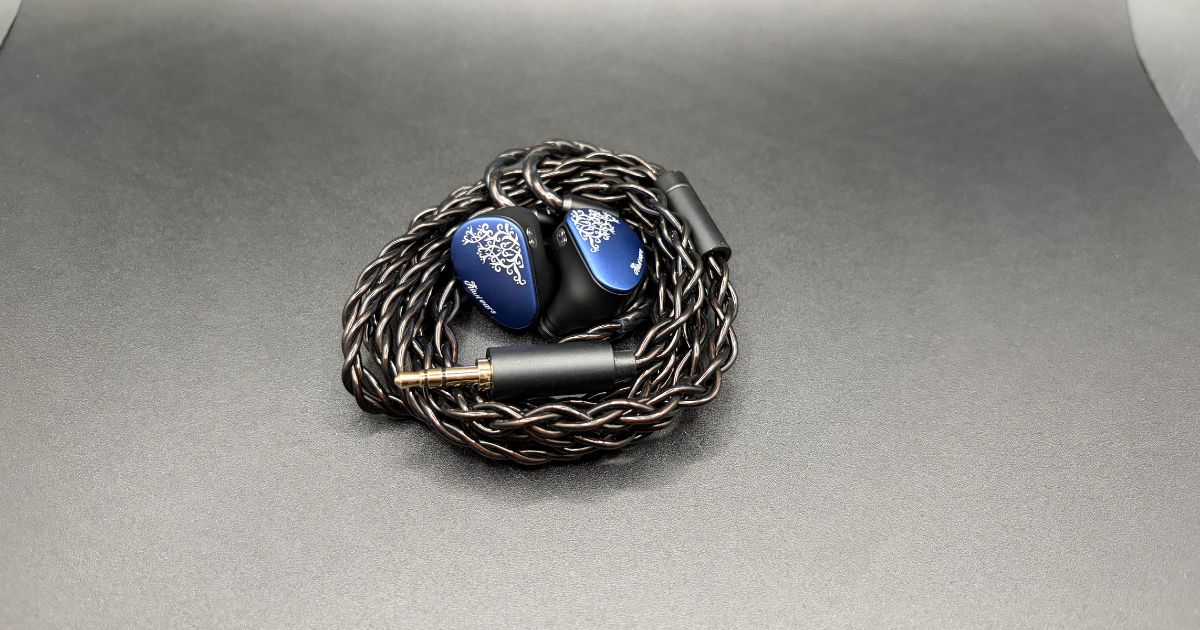
The Cadenza II represents a significant upgrade in materials over the original model. Where the first Cadenza used 3D-printed medical-grade resin, the Cadenza II features a polycarbonate composite shell that Kiwi Ears claims is sturdier than standard plastic while maintaining a luxurious, velvet-like tactile experience.
I really like the aesthetic of the shells on the Cadenza II. The clean, minimalist style looks sleek and doesn't come across as cheap, which is a great touch on such an affordable IEM.
The included cable uses a 2-pin 0.78mm detachable system, which is standard in the IEM world and allows for easy cable replacement or upgrades down the line. The cable itself is composed of single-crystal oxygen-free copper wires, which promise crystal-clear signal transmission. Though it does feel like it could be on the more tangle-prone side of cables.
Sound Quality
Bass
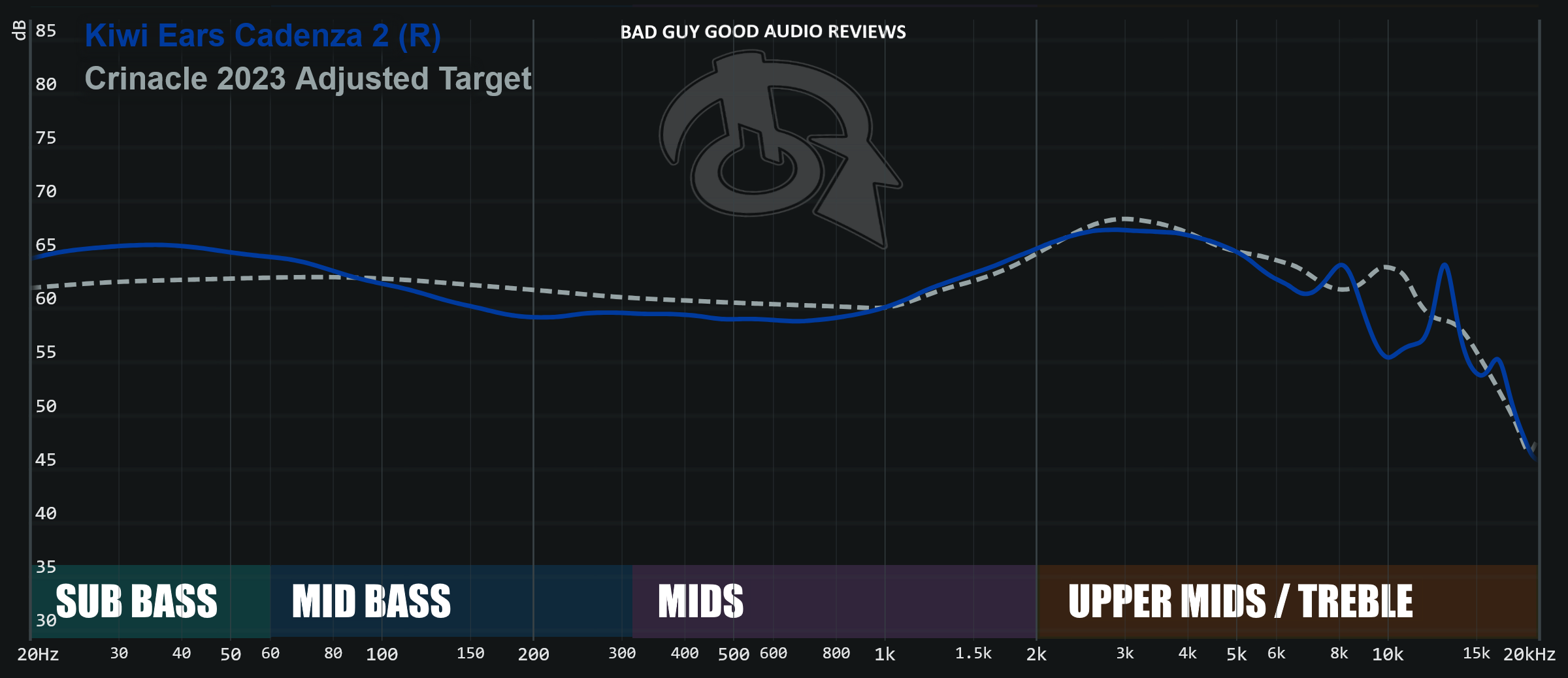
The Cadenza II delivers a moderate bass response. The sub-bass extends decently with a slight preponderance that provides just enough rumble on bass-heavy tracks without overwhelming the rest of the frequency spectrum. Bass lovers accustomed to elevated low-end might find the Cadenza II a bit restrained, but this measured approach serves the overall tuning philosophy well.
Bass texturing is above average for the price bracket. The titanium-coated diaphragm ensures fast transient response, resulting in tight, controlled bass notes that decay quickly. This prevents mid-bass bleed—a common issue in budget IEMs—keeping the lower midrange transparent and clean. On tracks with rapid bass lines, the Cadenza II maintains good separation and articulation.
The bass quality shines on genres like jazz and acoustic music where bass instruments need to sit naturally in the mix without dominating. On electronic music or hip-hop, the Cadenza II performs well but might leave bass-heads wanting more physicality and presence in the low frequencies.
Mids
The midrange is the strongest frequency range of the Cadenza II. Kiwi Ears has tuned the mids with a subtle hump that enhances vocal warmth and lushness without sacrificing neutrality. Male and female vocals both benefit from this tuning, sounding natural, intimate, and emotionally engaging.
Instruments in the midrange exhibit excellent timbre—guitars sound like guitars, pianos sound like pianos, and there's minimal artificial coloration. This natural presentation makes the Cadenza II particularly versatile across genres. Whether you're listening to acoustic singer-songwriter material, rock bands with multiple guitar tracks, or classical chamber music, the midrange handles it with grace and authenticity.
The upper midrange around 3kHz has been carefully tuned to provide clarity and detail without straying into harshness or sibilance. Some budget IEMs overemphasize this region, leading to fatigue during extended sessions, but the Cadenza II strikes a more balanced approach. Vocals sit forward in the mix without becoming shouty or aggressive, making this an excellent choice for vocal-centric music.
Detail retrieval in the mids is impressive for the price. You can pick out subtle nuances in vocal performances and follow individual instrumental lines in moderately complex arrangements. While it won't compete with (more expensive) multi-driver configurations in resolving micro-details, it delivers more clarity than many competitors in the $50-100 range.
Treble
The treble region of the Cadenza II is tuned for smoothness and long-term listenability. The treble peaks at 3kHz before extending smoothly with refined decay that enhances overall balance. There's enough air and sparkle to keep music feeling open and detailed, but the upper treble is controlled to avoid any harshness or sibilance.
This treble tuning means you won't experience harsh cymbals or piercing hi-hats, even at higher listening volumes. For listeners sensitive to treble or those prone to listening fatigue, this is a significant advantage.
Detail in the treble is good but not exceptional. You'll hear cymbal shimmer and the bite of snare drums, but the finest micro-details and air might be slightly subdued compared to IEMs with more emphasized upper frequencies. This is an intentional tuning choice that prioritizes comfort over analytical precision, and for many listeners, it's the right call.
Technical Performance
Timbre on the Cadenza II is notably natural and realistic—a significant accomplishment for budget IEMs where artificiality often surfaces. Instruments and voices maintain their authentic character without sounding thin, metallic, or overly colored.
The soundstage is above average in width for a budget IEM, though it's not particularly expansive in height or depth. Most of the perceived space comes from the stereo field rather than true three-dimensional imaging. Expect decent left-right separation with moderate depth perception.
Imaging for the $30 price range sits nicely above average. On moderately complex tracks, you can follow individual instruments and place them within the soundstage with reasonable accuracy. For gaming or spatial audio applications, it performs quite well, but of course, it won't provide the pinpoint accuracy of higher-priced IEMs.
Comfort, Fit, And Isolation
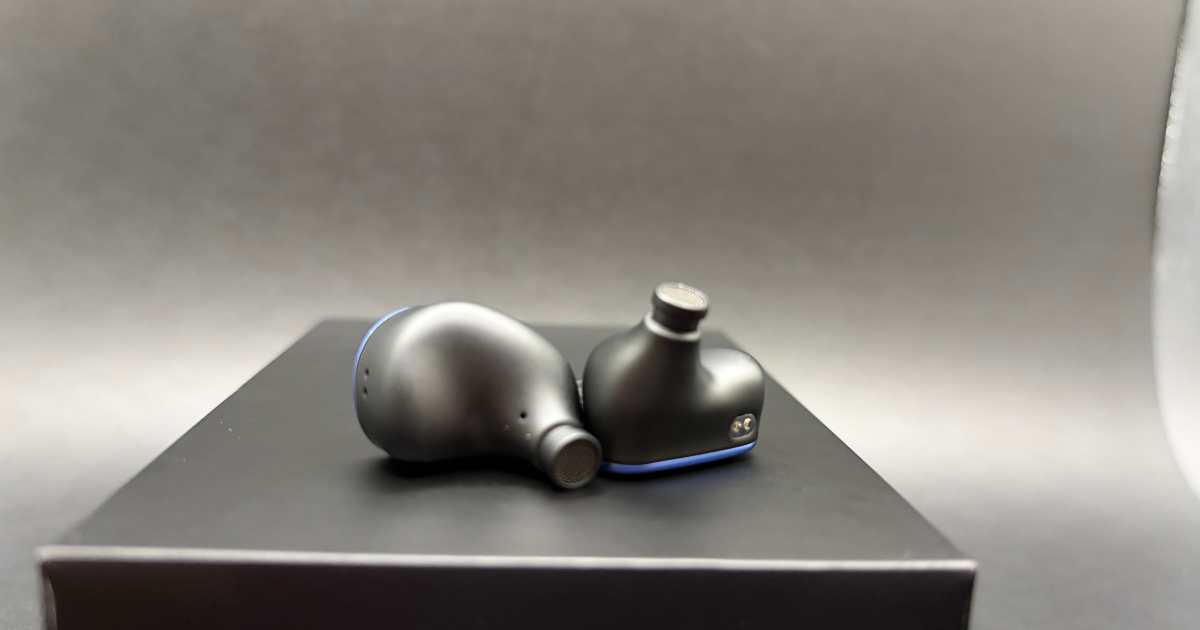
Comfort is one of the Cadenza II's strongest suits. The lightweight polycarbonate composite shells feel almost weightless in the ear, and the ergonomic design ensures they sit naturally without creating pressure points.
I found the wide-bore ear tips to provide the most comfort and the most enjoyable sound quality for my ears.
I didn't notice any pressure, hotspots, or ear fatigue during my use, and the shells are low-profile enough that they stay comfortable during longer listening. The fit is fairly universal, accommodating both small and larger ear anatomies, and it fit my medium-sized ears very easily.
The venting system relieves internal air pressure effectively, preventing the uncomfortable suction feeling that some sealed IEMs can create. However, this venting does impact isolation performance slightly.
Isolation is good, but not outstanding. The passive noise isolation blocks up to 10dB of low-frequency noise (like bus engines or airplane hum) and up to 30dB of high-frequency noise (like keyboard typing or air conditioning). This is about average for IEMs at this price point.
Comparisons: How Does It Stack Up?
Kiwi Ears Cadenza II vs. Moondrop Chu 2 ($20)
The Moondrop Chu 2 represents the Cadenza II's closest competition in the ultra-budget bracket. The Chu 2 offers a more neutral, reference-oriented tuning with less warmth than the Cadenza II. Its shell is smaller and lighter, potentially fitting smaller ears better, and it features an aluminum construction versus the Cadenza II's polycarbonate composite.
Sound-wise, the Cadenza II has better bass dynamics and more quantity in the low-end, making it more engaging for general listening. The Chu 2 sounds cleaner with better clarity in some areas, but can lack the warmth and musicality that makes the Cadenza II more emotionally involving. The Cadenza II also has less aggressive treble, reducing the risk of the "metallic" harshness that can sometimes be noticeable on the Chu 2.
For technical performance, the Cadenza II offers slightly better soundstage width, while the Chu 2 edges ahead in detail retrieval. The Cadenza II wins decisively on comfort for extended wear and comes with superior wide-bore tips. At a $15-20 price difference, the Cadenza II offers better value for those seeking a warm and engaging sound signature.
Kiwi Ears Cadenza II vs. Kiwi Ears Belle
The Belle was Kiwi Ears' newest ultra-budget offering before the Cadenza II, launching at just $30—undercutting the Cadenza II by about $5 USD. Both feature single dynamic drivers but take distinctly different approaches to tuning and driver technology. The Belle uses a 10mm Diamond-Like Carbon (DLC) diaphragm, while the Cadenza II employs a titanium-coated PET diaphragm, each offering unique sonic characteristics.
The Belle leans warmer and more bass-forward compared to the Cadenza II's neutral-with-warmth approach. The Belle features elevated sub-bass and mid-bass that deliver more rumble, impact, and thump—making it significantly more engaging for bass-heavy genres like hip-hop, EDM, and modern pop. The Cadenza II, by contrast, maintains better separation between bass and mids, offering a cleaner overall sound and better technical performance.
In the midrange, both IEMs showcase warm, lush vocals, but the Cadenza II edges ahead in clarity and separation. Vocals on the Cadenza II sit more forward and present, while the Belle pushes them slightly back to accommodate its bass emphasis. The Cadenza II also delivers more natural timbre and better detail retrieval, making it the superior choice for vocal-focused music and genres requiring midrange transparency.
Treble performance is where the differences become particularly noticeable. The Cadenza II offers more treble extension and air, providing better sparkle on cymbals and more detail in the upper frequencies. The Belle takes a safer, more relaxed approach to treble tuning, prioritizing smoothness and long-term listenability over analytical detail
Technically, the Cadenza II demonstrates superior performance across the board and is the IEM I would choose at the price point. It offers better soundstage width, cleaner imaging, stronger separation between instruments, and higher overall resolution. If you prefer maximum bass impact and don't mind losing some detail in the mids and treble to bass bleed, then the Belle will be your preferred choice.
Vs. Kiwi Ears Cadenza (Original)
The original Cadenza represents the first-generation model that has earned an excellent reputation, priced at $35. The most significant difference between the two lies in driver technology—the original uses a 10mm beryllium-coated diaphragm, while the Cadenza II employs a newly developed titanium-coated PET diaphragm. Both materials target fast transient response and low distortion, but titanium offers different sound characteristics and potentially better long-term durability at a lower manufacturing cost.
Build quality has seen meaningful upgrades in the Cadenza II. The original features 3D-printed medical-grade resin shells that are lightweight and comfortable but more prone to showing wear. The Cadenza II's polycarbonate composite shells with CNC-machined aerospace aluminum faceplates feel noticeably more premium and durable. The Cadenza II also includes a better tip selection with widebore and standard tips.
Both share a similar tuning—neutral with warmth, targeting a balanced Harman-style frequency response. However, the Cadenza II benefits from the upgraded KARS 2.0 acoustic tuning system, which has been redesigned specifically for the titanium driver. The Cadenza II sounds cleaner and more refined across the frequency range, with better overall cohesion and less mid-bass bleed than the original. Bass quality is similar between both models—tight, controlled, and quick—but the Cadenza II pulls ahead in texture and detail.
Technical performance favors the Cadenza II across the board. It demonstrates better detail retrieval, cleaner separation, more natural timbre, and slightly improved soundstage width. The original Cadenza is impressive for $35 and a good option if you want to save $15, but the Cadenza II certainly improves upon the original without a significant price increase.
Final Verdict
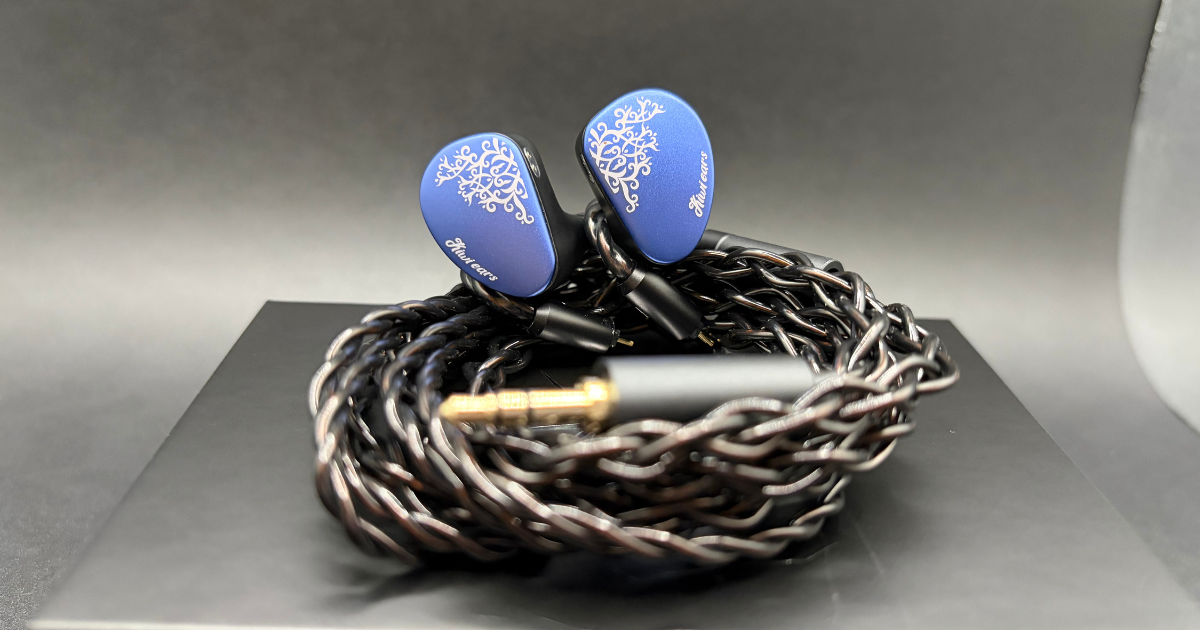
The Kiwi Ears Cadenza II delivers balanced, fatigue-free sound quality at an extremely accessible price point. It creates natural, engaging musicality that works across genres and listening sessions lasting hours.
The titanium-coated driver technology provides faster transient response and better clarity than typical budget dynamic drivers. The KARS 2.0 tuning creates a sound signature that's neutral enough for monitoring work yet warm and musical enough for pure enjoyment. The upgraded materials and thoughtful accessory selection (especially those wide-bore tips) show that Kiwi Ears understands what audiophiles want.
For newcomers to the IEM world, the Cadenza II serves as an excellent gateway that won't lead you astray with exaggerated tuning. For experienced listeners on a budget, it offers a mature, balanced sound that you can live with happily. And for anyone who simply wants great-sounding music without breaking the bank, the Cadenza II delivers in spades.
In the budget audiophile market, the Kiwi Ears Cadenza II earns a strong place as a top contender. It's an affordable IEM done right—no gimmicks, just honest sound quality at an honest price. Easy Recommendation.

Technical Specifications
- Driver Configuration: 1x Dynamic Driver (Titanium-coated PET diaphragm)
- Acoustic Technology: KARS 2.0 (Kiwi Acoustic Response System 2.0)
- Frequency Response: 20Hz - 20kHz
- Cable: 1.2m detachable 2-pin 0.78mm, single-crystal oxygen-free copper
- Connector: 3.5mm single-ended
- Warranty: 1 year on IEMs, 3 months on cable
- Weight: Approximately 4-5g per earpiece (not officially specified)


