

Softears Volume S Review: How Does It Hold Up in 2026?
Today, we are reviewing the Softears Volume S In-Ear Monitor. Priced at $319, this hybrid driver earphone has a dynamic driver and 2 balanced armatures, and a customizable impedance. How does the 2024 release hold up almost 2 years later?


SoftEars Volume S
Pros
- Some of the best bass in the $300 range
- Musical, warm, sound that is fun to listen to
- Incredible ergonimic fit
- Versatile tuning that works with all genres
Cons
- High Impedence mode seems unnecessary
The Softears Story
Softears has carved out a distinctive reputation in the premium IEM market since their emergence in the Chinese audiophile scene. Founded by a team of acoustics engineers and music enthusiasts, the company operates under the RSV Technology umbrella—the same company behind the well-regarded Studio 4 and RSV MKII. What sets Softears apart is their commitment to measurement-driven tuning combined with real-world listening validation, creating in-ear monitors that are crafted with scientific accuracy while still sounding fun.
Their philosophy centers on creating what they call "reference sound with musicality"—a balance that's easier said than achieved. With models like the RSV, Enigma, and Twilight sitting in their catalog, Softears has proven they can compete with the best, despite being a relatively young player in the game.
What Is the Softears Volume S?
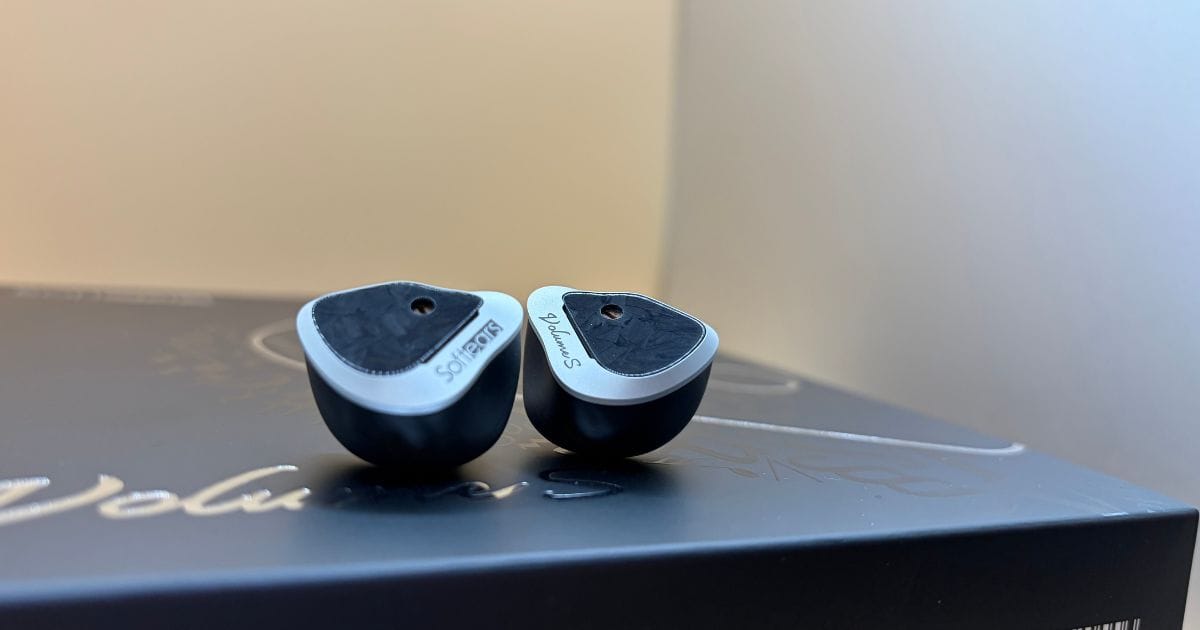
The Volume S marks Softears' return to the hotly contested sub-$350 IEM battleground, and they're bringing some serious firepower. The Volume S is a complete reimagining of the original 2022 Volume. At $319, this features a hybrid configuration that pairs a custom dynamic driver with dual full-range balanced armatures and a passive radiator system, all through a 3-way crossover.
Softears collaborated with HEYGEARS to optimize the shell geometry using actual ear contour data rather than just eyeballing ergonomics. The result is a larger shell that fits like a small IEM. They've also thrown in a dual-tuning system via a physical switch on the faceplate—low and high impedance modes that supposedly cater to different source pairings and tonal preferences.
Unboxing
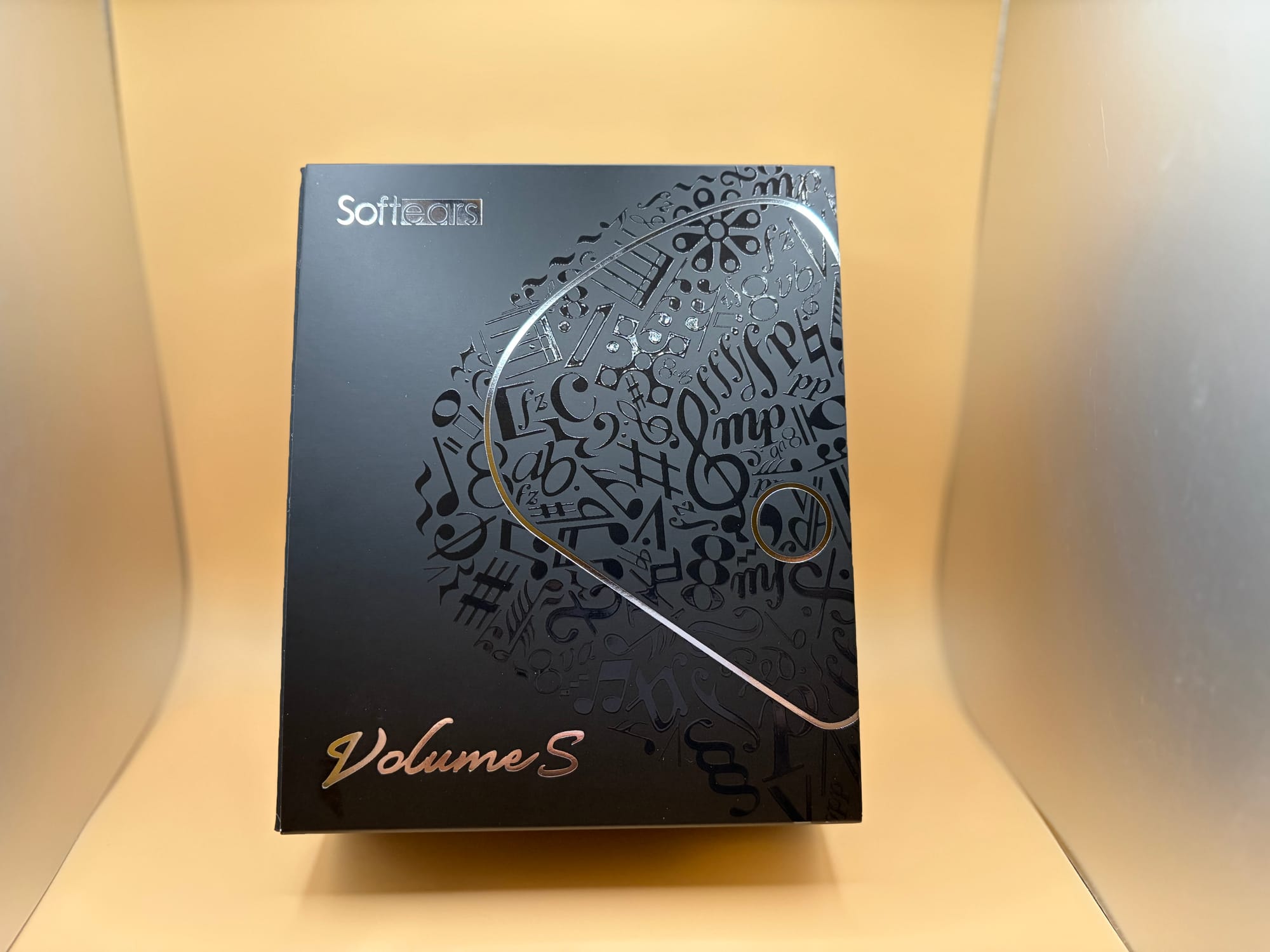
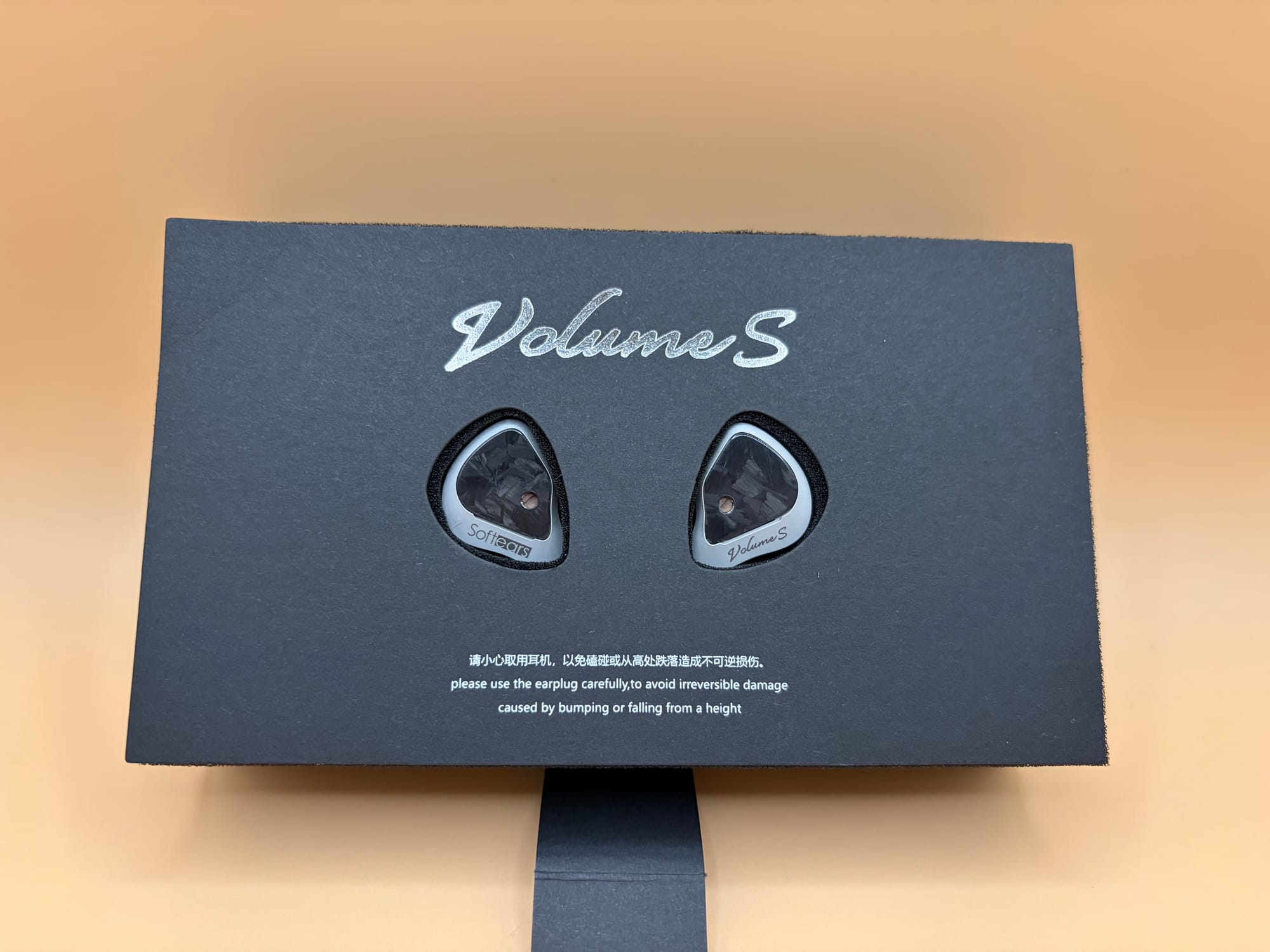
What's In The Box?
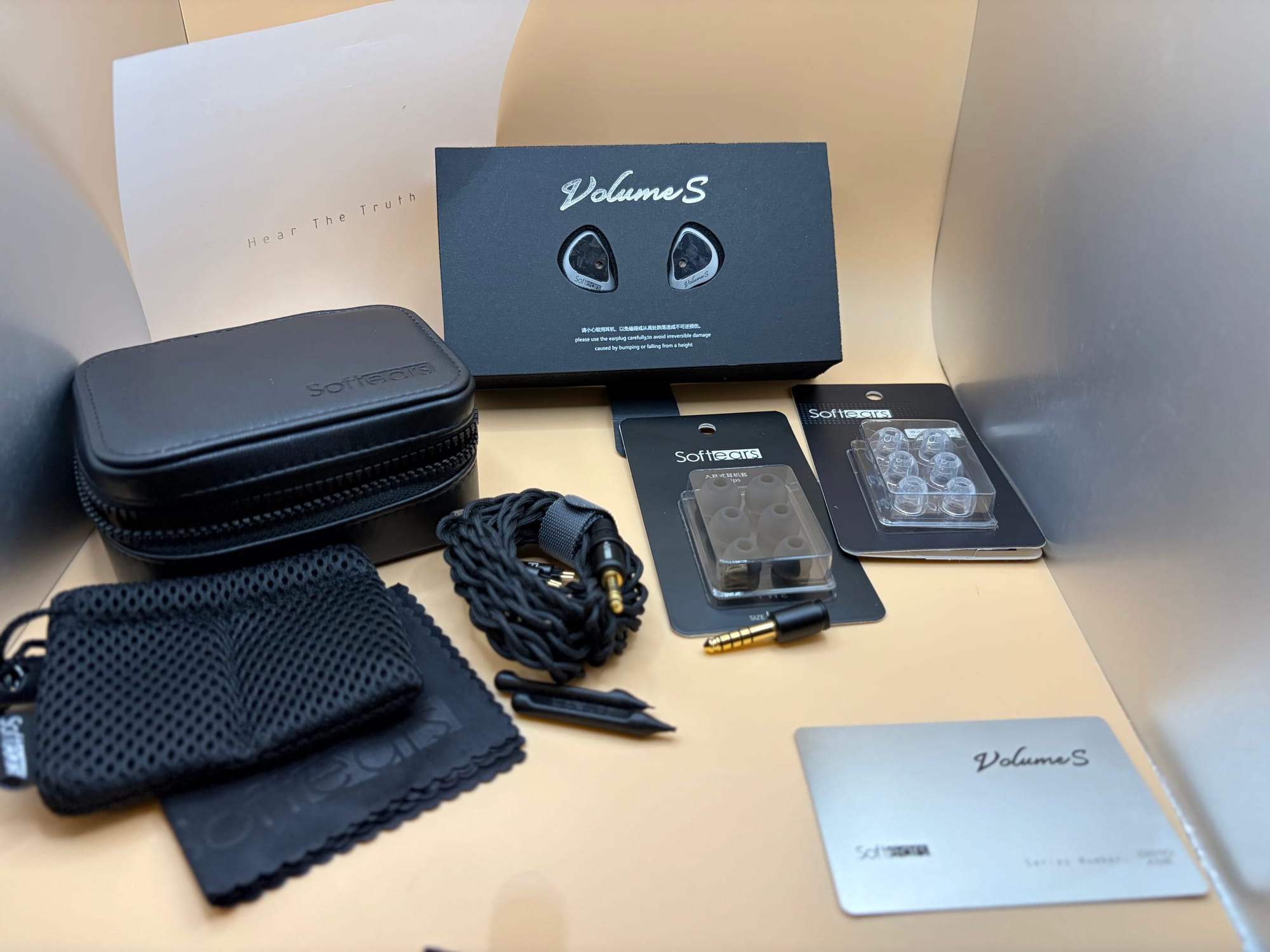
- 1 x Volume S IEM
- 1 x Cable
- 6 x pairs of Silicone eartips (2S/2M/2L)
- 3.4 / 4.5mm terminations
- 1 x Carrying Case
- 1 x Soft Carrying Case
- 1 x Microfiber cloth
- 2 x Impedance Adjustment Tool
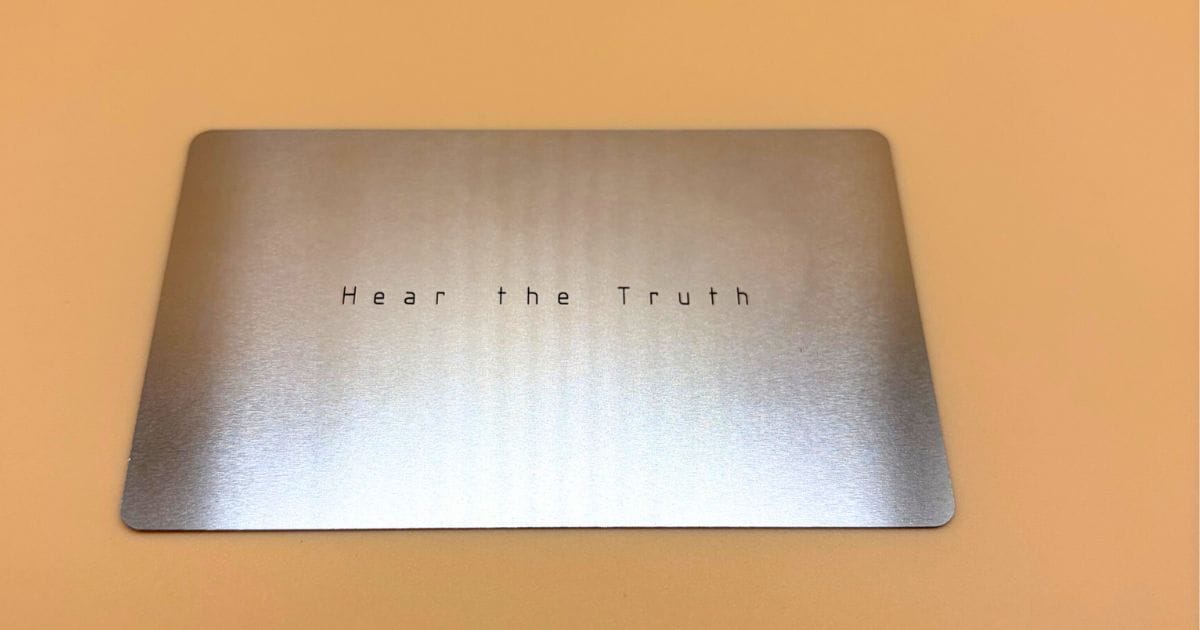
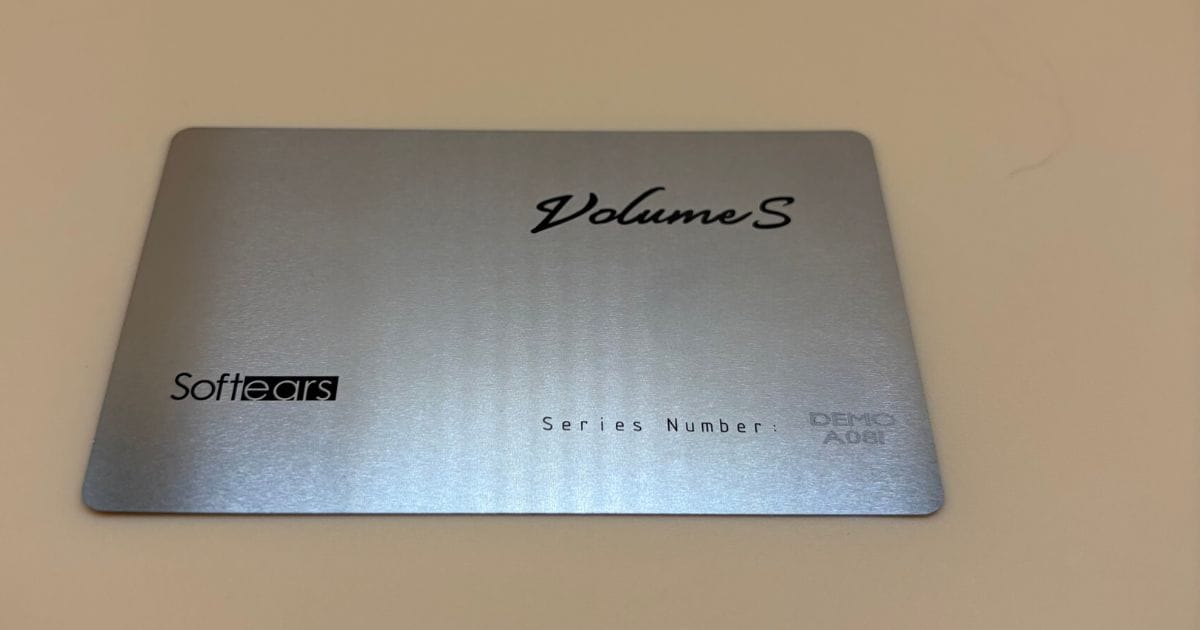
- 1 x Metal Demo Card
For the price, this is certainly one of the most packed unboxings I've seen. Softears gives you so many different accessories and even unique mementos like the metal Demo identification card. They also include the well-regarded, clear Softears silicone tips that many people really enjoy.
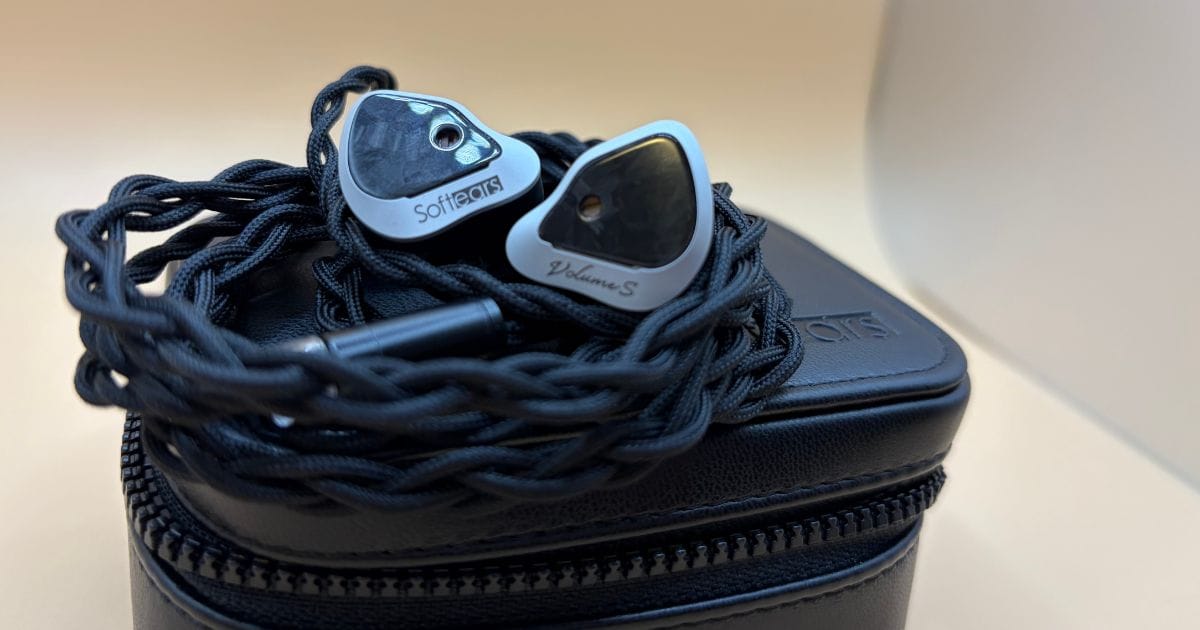
The stock cable is made from high-purity oxygen-free copper, with soft paracord braiding that is less likely to tangle. The modular termination system uses a switch-lock mechanism to swap between 3.5mm and 4.4mm balanced. The y-split and connectors feel robust, and the all-black colorway matches the shells perfectly. It's a stock cable you won't feel compelled to replace immediately, which says something.
Overall, I'm very impressed by the number of accessories included with the Volume S at it's $300 price.
Build Quality & Design
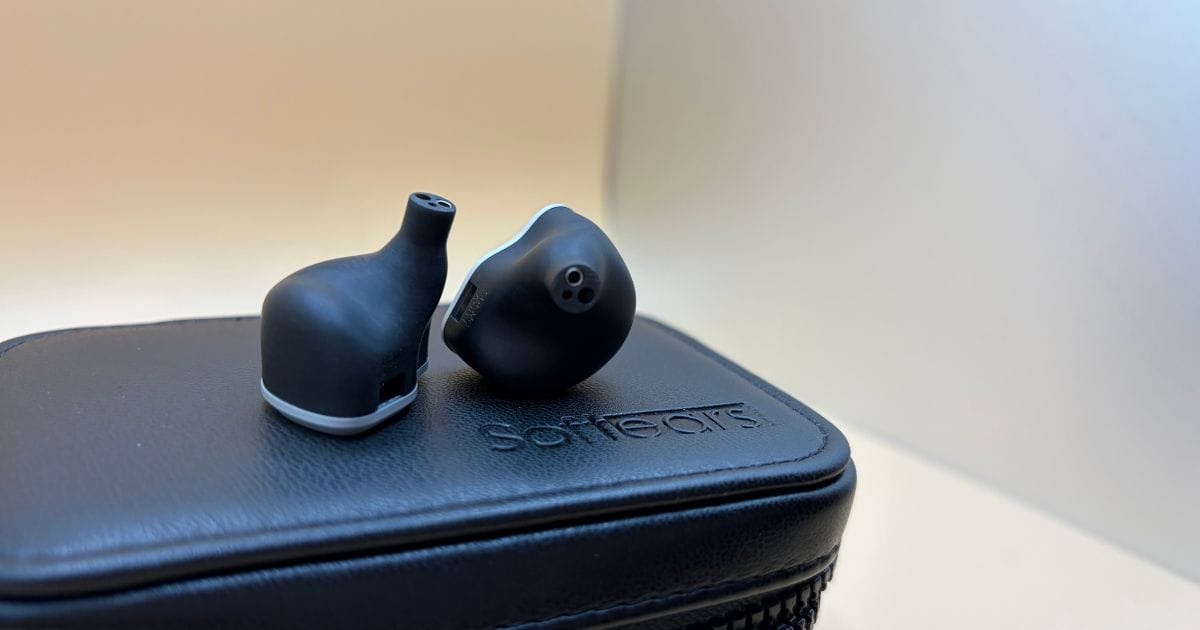
The Volume S opts for a stealthy aesthetic that isn't flashy but does stand out from many other IEMs with its almost industrial appearance, which I quite like. The shells are crafted from medical-grade resin with a soft matte black finish that feels comfortable against the skin without being slippery. These are noticeably larger than the previous Volume, but the ergonomic shaping compensates—more on that later.
Where things get interesting is the faceplate. Softears went with an aluminum frame housing a forged carbon fiber center piece with an abstract pattern that catches light beautifully. It's understated luxury rather than flashy showboating, and it's a refreshing change from the resin art galleries most IEMs sport these days.
The nozzle length hits that Goldilocks zone—long enough for a secure seal without going uncomfortably deep. There's a small pressure relief vent on the faceplate that works in tandem with the rear chamber venting to prevent that stuffed-ear feeling during long sessions. The recessed 2-pin 0.78mm sockets sit protected from accidental damage, a smart design choice that'll pay dividends over years of cable swapping.
Now, about that tuning switch: it's a flat dial integrated flush into the faceplate, rotated via the included tool. It's more elegant than the protruding switches you'll find on some competitors, though swapping modes mid-listening session isn't exactly convenient. The low-impedance mode is where we conduct the majority of this review, but more on that soon.
Sound Quality
Bass Response
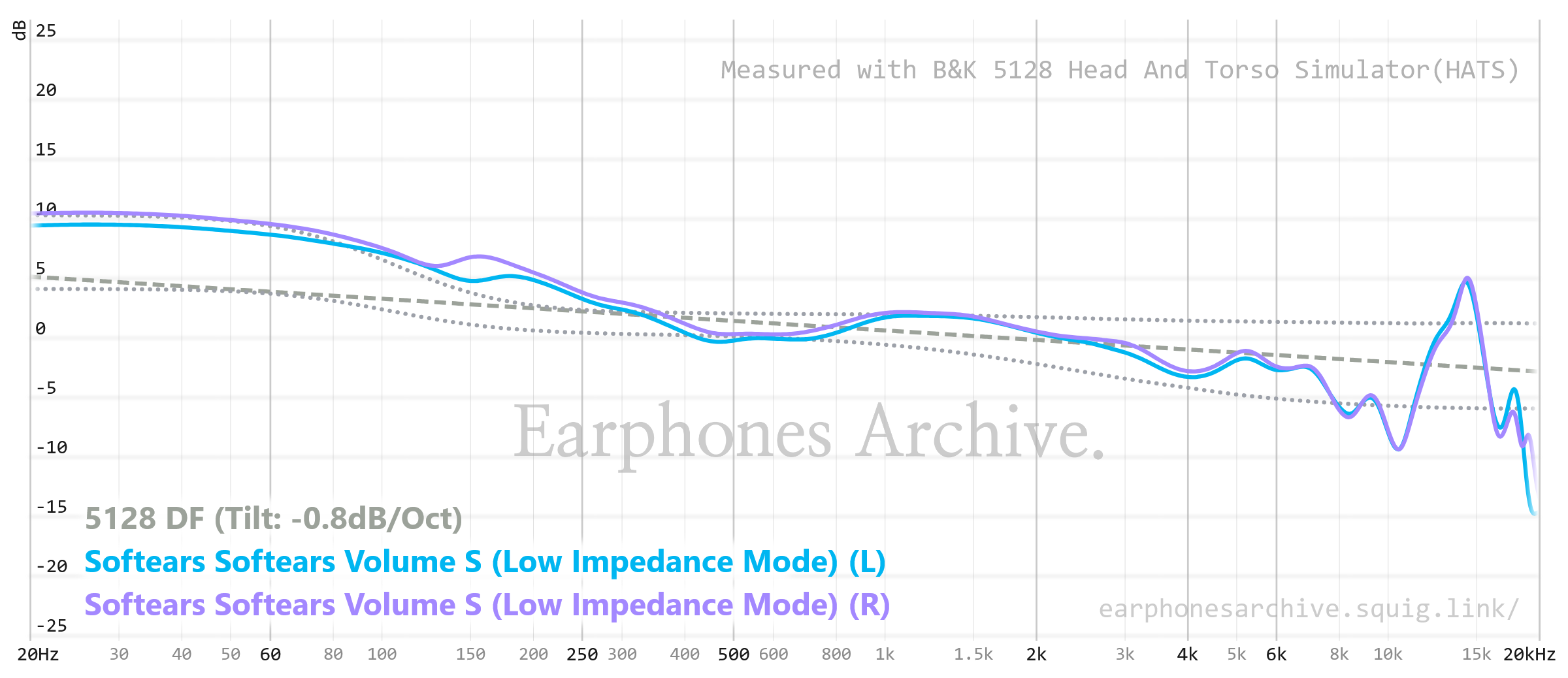
Let's cut straight to it—the bass on the Volume S is its strongest suit and is competitive with all IEMs in its price bracket. The titanium-domed dynamic driver paired with that passive radiator creates a low-end that's got both impact and refinement. Sub-bass extension digs deep without strain, delivering proper rumble that you feel in your chest rather than just hear. Mid-bass hits with satisfying punch that gives kick drums and bass guitars real physical presence.
What separates this from typical basshead tuning is the control and texture. Complex basslines don't turn into mush—you can track individual notes even in busy metal or progressive rock tracks. There's genuine layering happening here, with sub-bass and mid-bass maintaining distinct identities rather than blending into generic low-frequency thump. The speed sits in that sweet spot where decay feels natural without dragging, though it won't match the lightning-fast snap of pure BA bass.
The bass quantity flirts with basshead territory without fully crossing the line. It's elevated enough to satisfy low-end cravings but stays disciplined enough to keep the midrange clean and uncolored. For electronic, hip-hop, and modern rock, this tuning absolutely slaps. Jazz and classical listeners might find it a touch generous, but the quality is high enough that it rarely feels excessive or poorly integrated.
Mids
The midrange follows Softears' house sound philosophy—warm, rich, and prioritizing musicality. Lower mids have good density and body, giving male vocals a natural fullness and adding weight to guitars and pianos. There's a slight warmth that makes the presentation inviting rather than clinical, which will either charm you or frustrate you, depending on whether you prefer reference neutrality.
Female vocals sit slightly forward in the mix, benefiting from the upper midrange presence without crossing into shouty territory. That said, this is where the Volume S shows some minor flaws. The upper mids thin out a bit compared to the lush lower registers, but overall, the mids feel smooth and very satisfying.
Detail retrieval is solid if not spectacular. You're getting good resolution that reveals studio production choices and vocal nuances. The dual full-range BAs help maintain coherence across the midrange, avoiding the timbre weirdness that multi-BA designs sometimes introduce. Instruments sound convincingly organic rather than artificially processed.
Treble Response
The treble on the Volume S takes the diplomatic route—enough presence to complete the frequency response without demanding attention for itself. The transition from upper midrange into lower treble maintains decent energy and detail, but the upper treble rolls off gently. You're getting smoothness over sparkle here.
For treble-sensitive listeners, there's no harshness. Cymbals decay naturally, hi-hats have appropriate texture, and there's enough extension to prevent the presentation from feeling dull or veiled. But if you're a detail junkie who wants every breath and room reverb pushed forward, the treble does err on the side of politeness.
The roll-off in the upper treble does sacrifice some air and openness. The soundstage doesn't expand into that holographic "outside your head" territory, and the highest harmonic overtones get slightly muted. It's a fair tuning choice that prioritizes long-term comfort over intense brightness, and for most listeners with most music, it's the right call.
Technical Performance
Timbre sits firmly in the "natural and convincing" category. The hybrid configuration avoids that metallic BA character that haunts some multi-driver designs, keeping instruments and voices sounding organic. Pianos have proper resonance, guitars retain string texture, and brass instruments maintain their characteristic warmth. This is a dynamic driver advantage working in the Volume S's favor.
Soundstage width and depth are respectable without being exceptional. You're getting a moderately sized three-dimensional space that's larger than a lot of IEMs, but not competing with more expansive flagship imaging. Height is the weakest dimension, though well-recorded tracks still create a sense of vertical layering. The soundstage never felt lacking, and the Volume S more than makes up for its moderate soundstage with its sound.
Imaging precision is good, and instruments occupy distinct positions in the mix with clear separation, making it easy to follow individual elements in complex arrangements. The center image anchors vocals solidly, and stereo panning comes across cleanly with precision. Some microdetails get lost in busy passages, and the resolution doesn't quite match what you'd get from a planar or higher-end BA setup, but it's quite good for the price.
Dynamics are punchy and engaging. The Volume S delivers satisfying impact on transients without sounding compressed or flat. There's energy in the presentation that makes music feel alive rather than reproduced. It's not the most resolving IEM at $319, but it's certainly one of the most enjoyable.
High-Impedance Mode
The high-impedance tuning mode feels like a solution in search of a problem. Switching to this mode tames the bass while pushing upper frequencies forward, creating a brighter, leaner signature that lacks the warmth and body that make the standard low-impedance mode compelling.
I didn't find scenarios where I preferred this tuning, and I will personally be leaving the IEM on low impedance mode. I think, for the most part, the impedance modes are unnecessary, but I give props to Softears for giving listeners another way to listen to these, even if I don't prefer it.
Comfort & Isolation
Comfort & Isolation: Bigger Shells, Better Fit
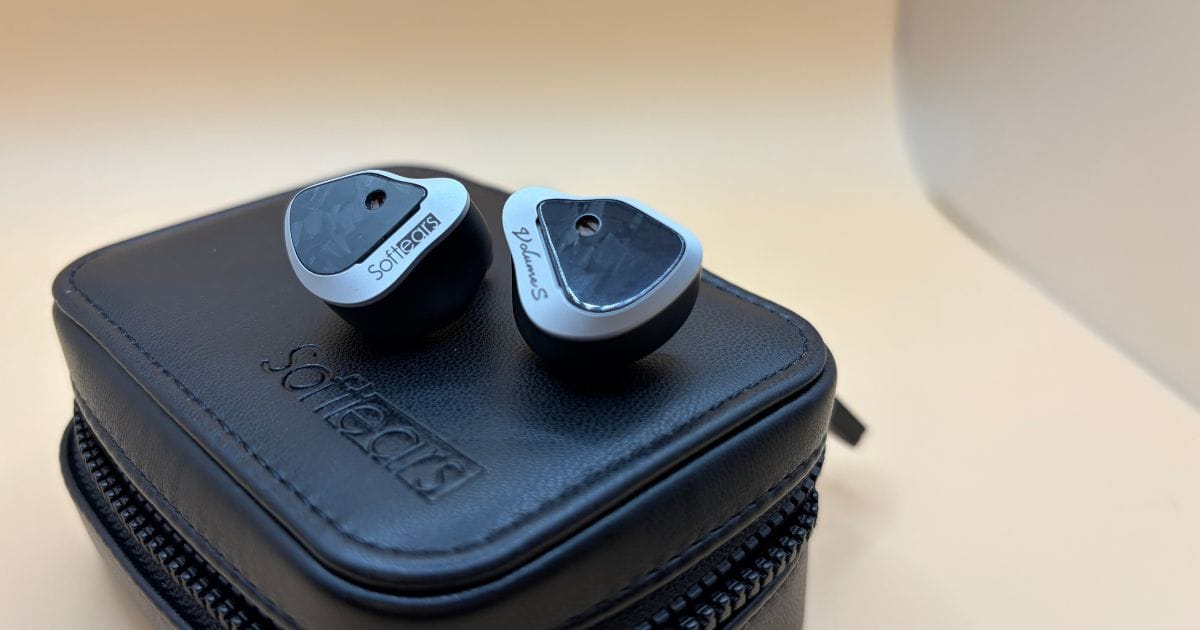
Despite the increased shell size compared to the original Volume, the Volume S manages impressive comfort thanks to the HEYGEARS collaboration on ergonomics. The medical-grade resin shells are lightweight at roughly 5-6 grams per side, and the contouring follows natural ear anatomy closely enough to avoid pressure points. The smooth matte finish doesn't irritate sensitive skin, and the medium nozzle length works for most ear canal depths without going too deep.
The larger shells actually help with stability—once inserted, these IEMs lock in place and don't shift during movement. That makes them solid choices for commuting or gym use, though the exposed cable connectors mean you'll want to be careful not to snag anything. Extended listening sessions revealed no hotspots or fatigue, which is exactly what you want from IEMs at this price.
Isolation sits above average for vented dynamic driver IEMs. The combination of a good seal from the nozzle design and the carefully tuned venting means you're blocking a decent amount of ambient noise without experiencing pressure buildup or driver flex. You'll handle public transportation and office environments fine, though they won't offer the same isolation as deep-inserting BA monitors or ANC headphones for maximum isolation.
Tip selection makes a noticeable difference. The included Softears Ultra Clear tips provide excellent seal and durability with wider bores that maintain the bass emphasis. The balanced tips offer slightly less bass boost if you prefer a more neutral presentation. I found both stock options perfectly usable, which isn't always the case—many manufacturers include throwaway tips that get immediately replaced.
Volume S vs The Competition
vs LETSHUOER Cadenza4 ($299)
The Cadenza4 is one of my go-to recommendations in this price bracket—a 10mm beryllium-coated DD plus three BAs (mixing Sonion and Knowles drivers) that delivers excellent value and sound quality. It's basically what the Volume S would be if Softears had decided to prioritize smoothness over impact.
Tonally, these IEMs are siblings. Both feature balanced tuning with bass emphasis and warm midrange character. Both prioritize listenability and tonal accuracy over analytical edge. The Volume S essentially feels like a refined, more expensive version of the Cadenza4's core concept.
Bass quantity clearly favors the Volume S with more impactful mid-bass that gives kicks and basslines real physicality. The Cadenza4 feels leaner in comparison, though sub-bass extension is comparable. Where the Softears really separates itself is bass texture and detail—there's better layering and separation in complex low-frequency passages. If bass quality matters to you, the Volume S is worth the $20 premium just for this improvement alone.
Midrange presentation is similar to rich, lush tonality and natural timbre. The Volume S brings better body in the lower mids thanks to that stronger bass shelf, making male vocals and lower instruments sound fuller. Upper midrange extension and female vocal presentation are nearly identical—both do a nice job here without major flaws.
Treble is where the Volume S makes another meaningful jump. It carries more energy and better extension from the upper mids through the treble region, creating a more open, airy presentation. The Cadenza4's treble is smooth but slightly muted by comparison, missing some finer details that the Softears reveals. Neither is a treble-head IEM, but the Volume S gives you more to work with.
Technical performance leans toward the Volume S. The soundstage is wider with better layering, imaging is more spatially accurate, and resolution is a step up. The Cadenza4 is no slouch technically, but the Softears shows why it costs a bit more.
If you already own the Cadenza4, is the Volume S worth upgrading to? Probably not—the improvements are incremental rather than transformative. But if you're deciding between them fresh, the Volume S is the better overall package, assuming the $20 difference doesn't break your budget. Think of it as Cadenza4 Plus with better bass, treble, and technical chops.
vs Kiwi Ears Orchestra II ($349)
The Orchestra II takes a different approach with 10 Custom Balanced Armature drivers—a completely different driver philosophy from the Volume S.
Bass-wise, the Volume S delivers more impact and physicality in the mid-bass, while the Orchestra II extends deeper with better sub-bass rumble. The Softears feels punchier and more engaging for bass-heavy tracks.
Midrange and treble present brighter on the Orchestra II, with a further reaching treble extension. The Volume S instead opts for a warmer, more natural tonality that's less fatiguing over long sessions. If you find bright IEMs tiring, the Softears is the safer bet.
Technically, the Orchestra II has a slightly larger soundstage and some additional imaging. The Volume S is notably more comfortable, comes with a better accessories package, and has a smoother, more musical overall sound.
Bottom line: Orchestra II for technical performance and bright signature fans who want a neutral sound. Volume S for warmth, musicality, and people who enjoy bass more.
vs THIEAUDIO Hype 4 MKII ($329)
The Hype 4 MKII refines the original Hype 4 formula with improved tuning and upgraded components while adding $30 to the price tag. At $329, it sits $10 above the Volume S and represents Thieaudio's attempt to address the first generation's minor weaknesses.
The MKII maintains the dual DD + quad BA configuration but improves bass control and midrange coherence. Compared to the Volume S, it delivers comparable bass quantity, though the Softears still hits harder in the mid-bass punch department. If you want that visceral thump on kick drums, the Volume S delivers it more convincingly.
The MKII's mids are more bright and more energetic, female vocals especially benefit from improved upper midrange extension and clarity. The Volume S sounds warmer and denser, which you'll prefer if you like thick, rich tonality over analytical precision.
Treble favors the MKII; it has airier highs with better extension and creates a more spacious soundstage. Imaging precision is noticeably sharper, and microdetail retrieval surpasses what the Volume S can manage in the treble. This comes with a trade-off, though; some listeners find the treble to be to harsh and some songs can present sibilant, which can become uncomfortable during longer listening sessions.
Bottom line: Hype 4 MKII if you want maximum treble extension. Volume S if you value bass impact and prefer warm over analytical.
Final Verdict
Final Verdict
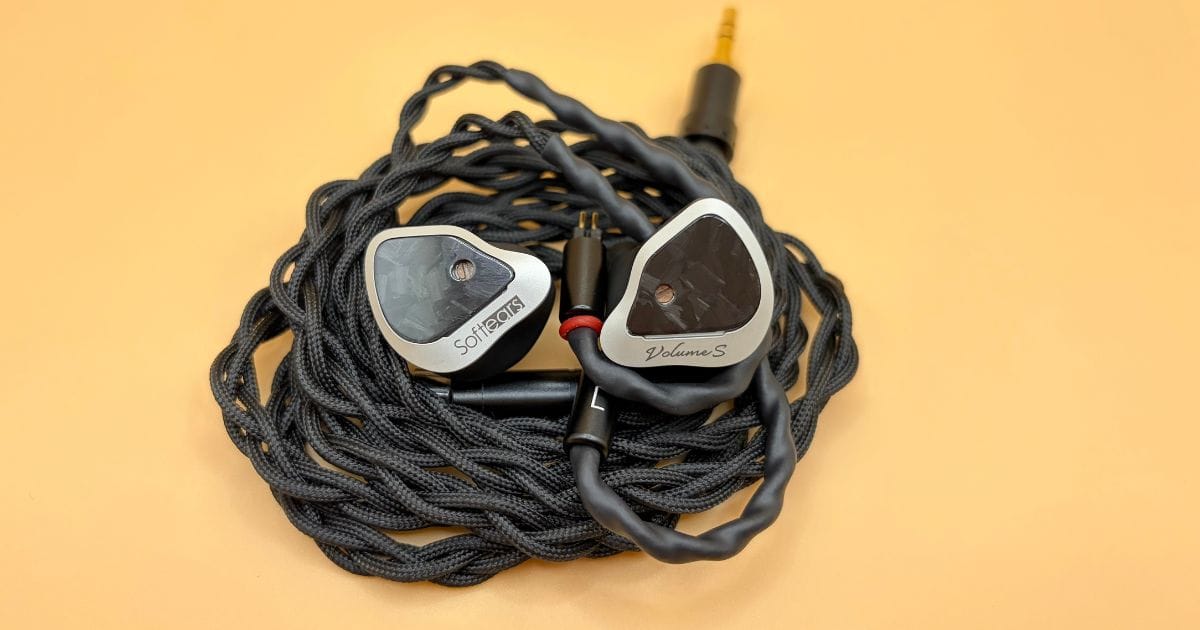
The Softears Volume S delivers premium sound quality and build at a price point where most competitors cut corners somewhere. It's not trying to be all things to all people—it's targeting listeners who want fun bass presence, natural tonality, and an engaging smoothness.
The bass is excellent for this price—controlled, textured, impactful without being bloated. The midrange nails that warm-natural balance that makes vocals and instruments sound convincingly organic. The treble is smooth and fatigue-free, even if it won't satisfy detail junkies looking for maximum air and extension. Technical performance is above average for the price, even if the soundstage feels moderate.
The build quality and accessories package exceed expectations. Medical-grade resin shells with carbon fiber faceplates, modular cable system, two sets of quality ear tips, proper carrying case, and that HEYGEARS-optimized ergonomic design—this is a complete product that doesn't feel like it's nickel-and-diming you.
Who should buy the Volume S? If you listen to bass-heavy genres, value natural timbre, and want an IEM that sounds good for hours without fatigue, this is an easy recommendation. It's an IEM designed for enjoying music rather
Would I recommend it over the competition? For pure musical enjoyment and tonal accuracy at this price, yes, absolutely.
The Softears Volume S proves that smart engineering choices and focused priorities can create genuinely compelling products at competitive prices. It's not perfect, but its strengths align precisely with what makes long-term ownership satisfying: comfort, build quality, tonal accuracy, and that elusive quality of simply getting out of the way so you can enjoy your music.

Sign up for our email newsletter to receive weekly recaps on the best and latest in the audiophile scene! See our IEM, headphone, and more audio reviews all in one place.
Technical Specifications
- Driver Configuration: Single 10mm dynamic driver
- Frequency Response: 10Hz - 40kHz
- Impedance: 16Ω ± 15%
- Sensitivity: 110dB/mW @ 1kHz
- Cable: 4-core silver-plated copper, modular termination (3.5mm/2.5mm/4.4mm)
- Connector Type: 0.78mm 2-pin
- Shell Material: CNC-machined aluminum
- Weight: 5g per earpiece (without cable)
- Included Accessories: Modular cable, silicone ear tips (S/M/L), soft carrying pouch, termination adapters
- MSRP: $549 USD


