


Sony IER-M500 Review: A Budget Stage IEM Built for Musicians
Sony's $120 IER-M500 stage IEM brings deep bass, a rock-solid fit, and Hi-Res Audio support to performing musicians. Here's our full sound quality, comfort, and comparison breakdown.

SONY IER-M500
Pros
- Deep, textured bass without turning muddy
- Excellent passive isolation for a sealed dynamic driver
- Adjustable Fitting Supporters create a genuinely custom fit
- Strong value at $119.99 with a detachable MMCX cable
Cons
- Recessed treble lacks sparkle for treble-focused listeners
- Midrange sits behind the bass in the mix
Sony's Pro Audio Pedigree
Sony doesn't need much of an introduction, but its professional in-ear monitor lineage is worth a quick mention here. Long before wireless earbuds and noise-cancelling flagships dominated the brand's headphone lineup, Sony built a reputation among musicians and sound engineers with the MDR-EX800ST — a reference-grade stage monitor still name-checked by working audio pros today. The IER-M500 marks Sony's first new professional in-ear monitor for musicians since 2018, and it's a deliberate return to that stage-monitoring roots rather than a repackaged consumer earbud. Instead of chasing the MDR-EX800ST's legacy directly, Sony built the M500 as a fresh take aimed squarely at performers who need dependable, affordable gear they can actually rely on show after show.
What Is the Sony IER-M500?
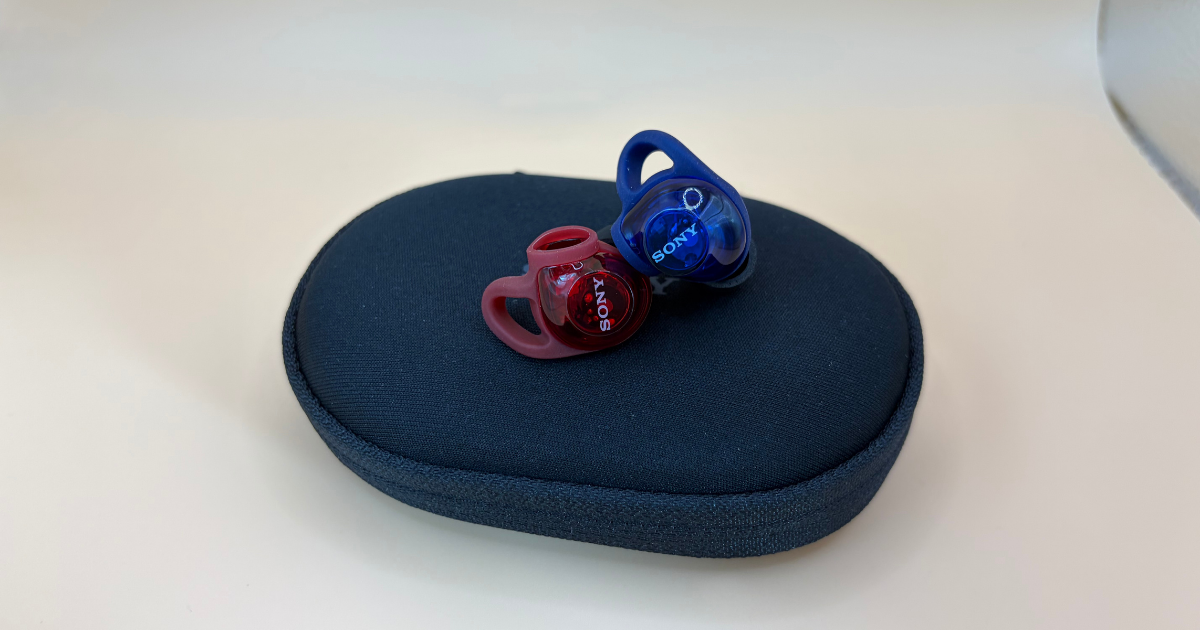
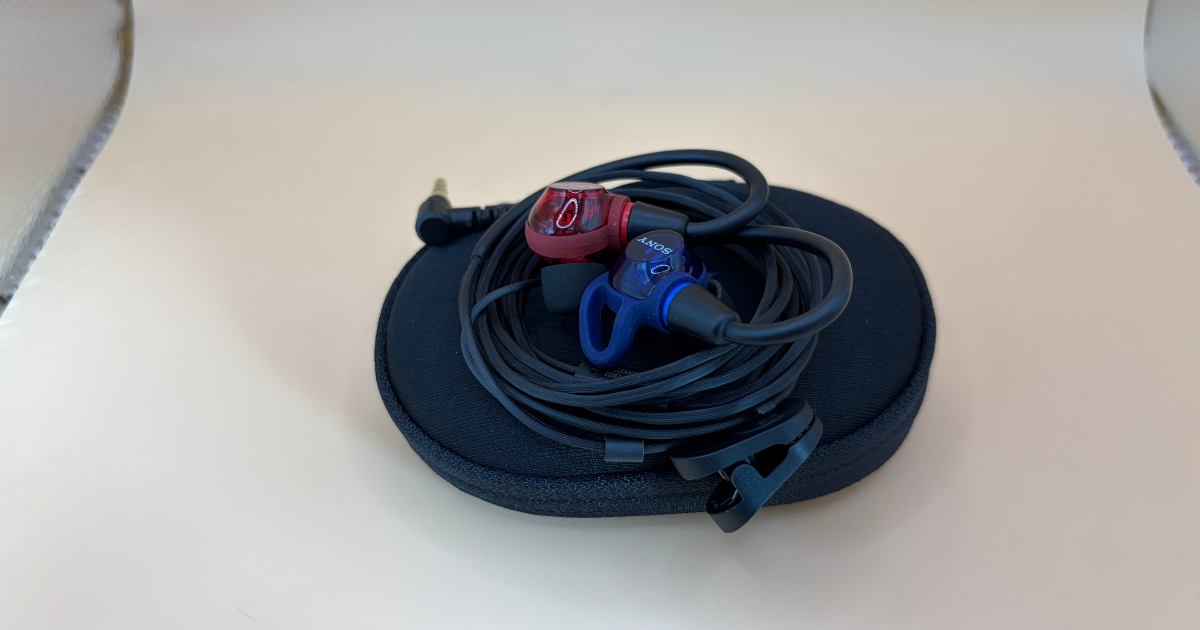
The IER-M500 is a wired, closed-back in-ear monitor built around a single 5mm dynamic driver, priced at $119.99 and aimed at gigging musicians, vocalists, monitor engineers, and content creators. It comes in three finishes—black, clear, and a red/blue pair that makes left and right instantly obvious on a dark stage and each box includes noise-isolating tips in four sizes, five sizes of fitting supports, a cable clip, and a zippered carrying case. This isn't a lifestyle earbud; it's built specifically for the demands of live performance, right down to its IP54 splash and sweat resistance rating.
Build Quality and Sound Design
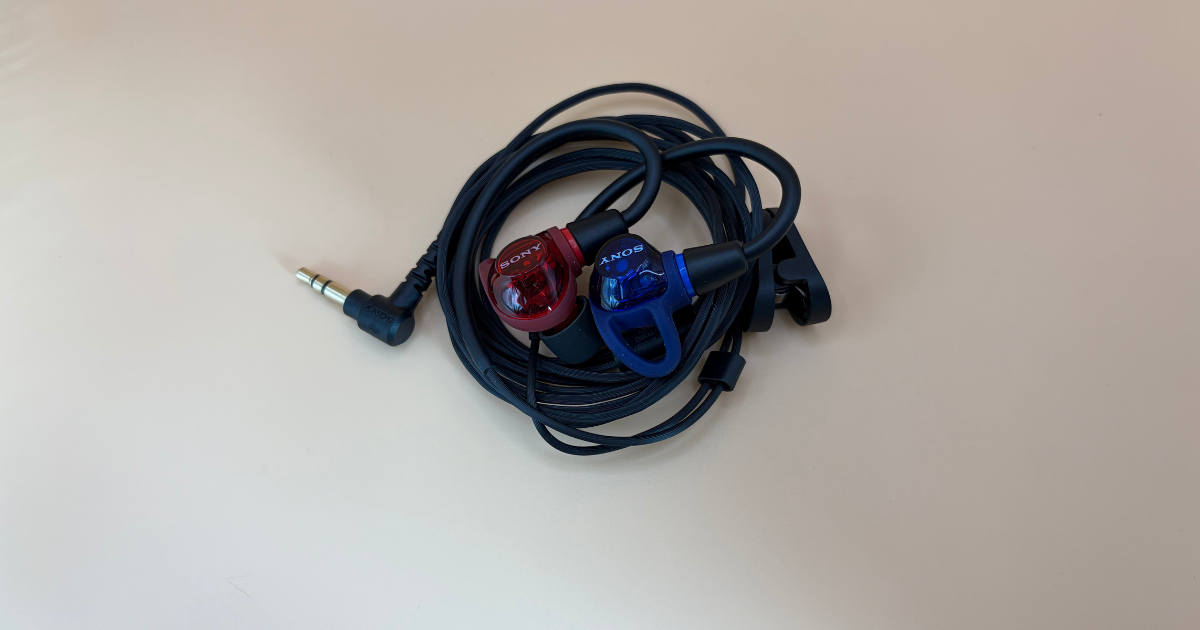
The IER-M500 uses a fully sealed acoustic chamber housing a single 5mm dynamic driver, a departure from the vented designs common in many dynamic-driver IEMs. That sealed structure is central to how Sony is positioning this earphone: a smaller driver that can settle and resolve detail quickly, paired with a chamber that doesn't need to move as much air to hit its target response. The shell itself is compact for a single dynamic driver IEM, and the detachable MMCX cable is rated for frequent plugging and unplugging, a small but meaningful detail for musicians who are constantly swapping gear between soundchecks and sets. At 6.9 grams per earpiece without the cable, it's light enough to disappear during long sets, and the 1.6-meter Y-type cable terminates in an L-shaped 3.5mm plug.
Sound Quality
Overall Sound: The IER-M500 leans into a dark, bass-forward signature that's very much in line with Sony's house sound across its headphone lineup. It's not a neutral reference monitor in the audiophile sense, but it is an honest and consistent performer that prioritizes low-end weight and stage-ready clarity over sparkling treble extension. If you're coming from studio-flat monitors, expect an adjustment period; if you're a bassist, drummer, or just someone who likes music with body, this tuning will feel right at home.
Bass: This is where the M500 makes its case. The low end is thick, textured, and forward without collapsing into mud—you get real sub-bass rumble alongside enough detail retrieval that individual bass notes and kick drum hits stay distinct rather than blending into a single low-frequency blob. It's consistent across genres, which matters for musicians who need reliable monitoring regardless of what they're playing.
Mids: Vocals and lead instruments sit slightly behind the bass in the mix, though they retain natural tonal color and enough presence to stay intelligible. Sony's tuning focuses on delivering a balanced presentation suitable for monitoring vocals and instruments accurately, and while the midrange doesn't punch forward aggressively, it doesn't get buried either.
Treble: High frequencies are the most recessed part of the signature. There's enough lift to keep cymbals and harmonics from disappearing, and detail retrieval up top is better than the recessed presentation might suggest, but treble-heads chasing air and sparkle will find this IEM conservative. That said, the tradeoff is a treble response that never turns harsh or fatiguing during long performances—an understandable choice for an IEM meant to be worn for hours under stage lights.
Timbre, Soundstage, and Imaging: Instrument timbre comes across as natural and largely honest rather than artificially colored, which is impressive given the bass emphasis. The soundstage is the real surprise here—it's wide and extends further in depth than you'd expect from a budget single dynamic driver design, giving elements room to breathe rather than collapsing into a narrow, congested image. Imaging is accurate enough that you can place instruments within the mix with confidence, which matters enormously for performers who need to hear exactly what's happening in their monitor feed.
Comfort and Isolation
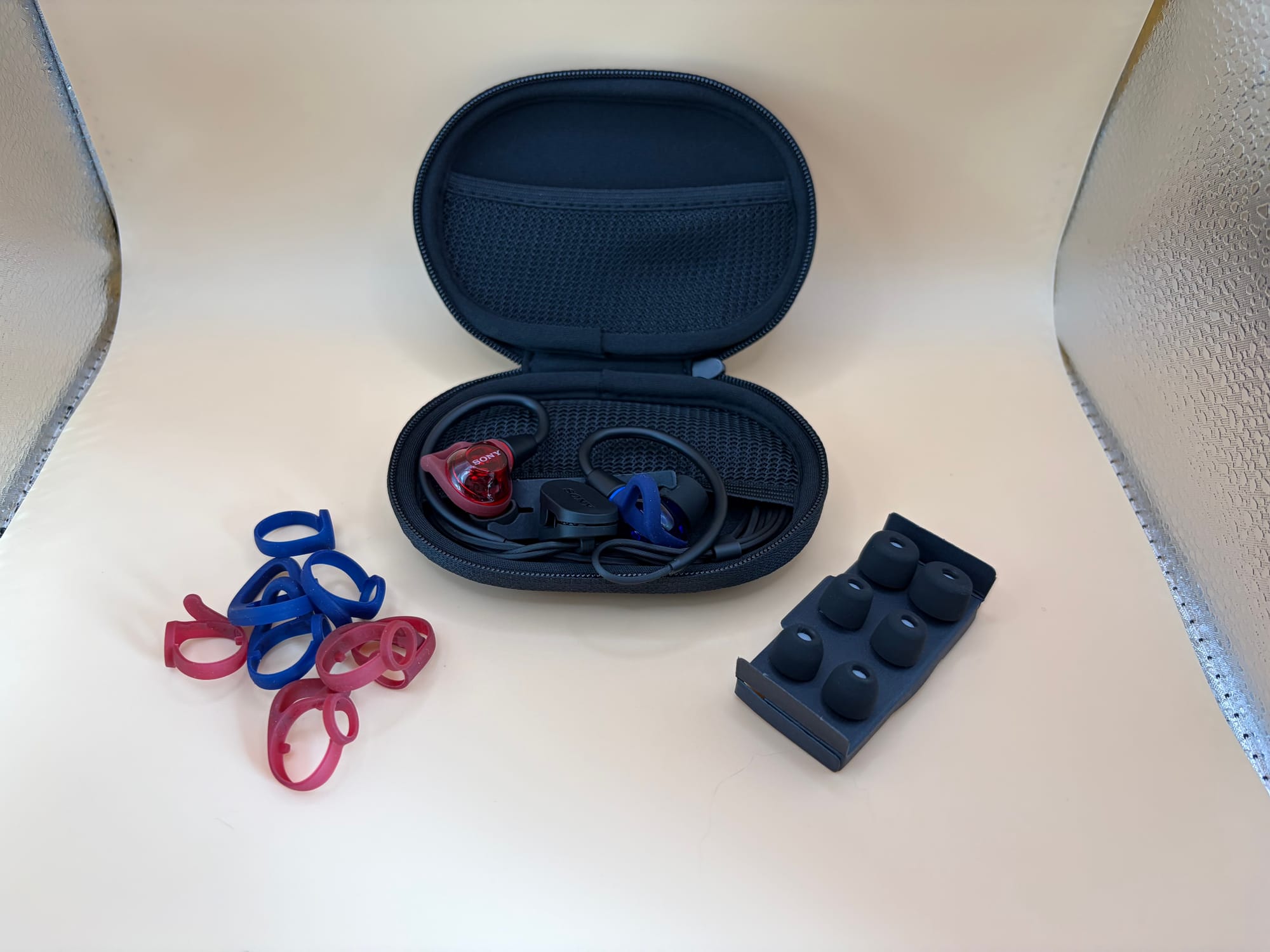
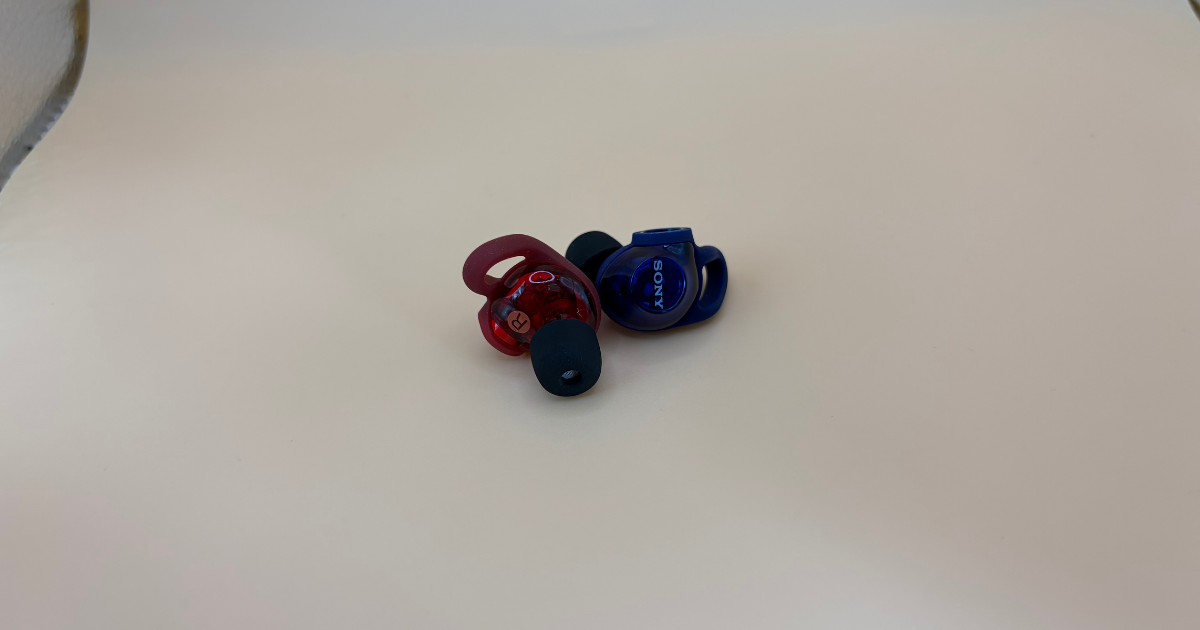
Comfort is arguably the IER-M500's strongest selling point. Sony's Fitting Supporter system with five interchangeable fin-shaped attachments that lock into the folds of your ear, creates a level of stability that rivals what you'd expect from a custom-molded monitor, all without the custom price tag. Combined with the included foam tips, the seal you get is secure enough to stay locked in place through vigorous head movement, sweaty stage lighting, and long sets. Isolation is similarly strong for a fully passive design; the sealed housing and foam tips block out a meaningful amount of stage and crowd noise, letting performers monitor at safer volumes instead of cranking their in-ears to compete with a loud room. The one caveat worth flagging: because the design is fully sealed rather than vented, switching to silicone tips instead of the included foam may introduce some pressure or occlusion sensation for a some people, though I haven't had a problem with it myself.
How the IER-M500 Compares
Shure SE215: The SE215 has been a stage-monitor staple for over a decade, and it remains the IER-M500's most natural rival at a similar price point. The Shure leans into a warmer, more forgiving midrange and has an enormous aftermarket cable and mod culture behind it. The IER-M500 instead has noticeably better passive isolation and a more secure, adjustable fit thanks to its Fitting Supporter system, plus a slightly more detailed and textured bass response.
Sennheiser IE 100 PRO: Sennheiser's stage-focused entry sits close in price and philosophy, aiming for a more neutral, monitor-accurate tuning than the Sony. If your priority is a flatter response for critical monitoring work, the IE 100 PRO edges ahead. But the IER-M500 offers a more engaging, fuller-bodied listen for musicians who also use their IEMs for everyday music enjoyment off stage, along with what most listeners will find to be a more secure long-session fit.
Sennheiser IE 200: Often cited as a budget reference standard, the IE 200 trades the M500's bass emphasis for a brighter, more treble-forward signature. Its shell also runs smaller, which suits compact ears well but can be trickier to adjust for larger ear shapes using eartips alone. The Sony's adjustable outer supports give it an edge in fit customization, while the Sennheiser wins if you specifically want more high-frequency detail and sparkle in your monitoring.
Final Verdict
The Sony IER-M500 doesn't try to reinvent the stage monitor category, and it doesn't need to. What it delivers is a genuinely dependable, comfortable, well-isolating IEM with enough low-end character and soundstage width to satisfy both working musicians and casual listeners, all for under $120. The bass-forward, treble-shy tuning won't be for everyone—audiophiles chasing a neutral reference sound should look elsewhere—but for performers who need gear that stays put, blocks out stage noise, and sounds honest across a full set, the IER-M500 earns its spot as one of the better budget stage IEMs available right now.
Technical Specifications
- Driver: Single 5mm dynamic driver
- Type: Closed-back, fully sealed housing
- Frequency Response: 10Hz – 40kHz (IEC), Hi-Res Audio certified
- Impedance: 16 Ω at 1kHz
- Sensitivity: 103 dB/mW
- Weight: 6.9g per earpiece (without cable)
- Cable: 1.6m (63 in) detachable Y-type, MMCX connection
- Plug: L-shaped 3.5mm stereo mini plug
- Durability: IP54-rated splash and sweat resistance
- Included Accessories: Noise-isolating ear tips (4 sizes), fitting supporters (5 sizes), cable clip, zippered carrying case
- Colors: Black, clear, red/blue
- Price: $119.99


