


Are Westone AM Pro X10 Ambient IEMs Worth It for Musicians? Honest Review
Westone's AM Pro X10 is a single-driver ambient IEM built for stage musicians. We break down its sound, StageSense vent, fit, pricing, and how it stacks up against the ER3SE, IE 200, and AM Pro X20.

Most in-ear monitors try to seal you off from the world. The Westone AM Pro X10 does something a little rebellious: it deliberately lets some of the room back in. It's a single balanced armature driver; it's aimed at performing musicians, and it uses a passive vent system Westone calls StageSense to keep you from feeling like you're playing inside a bubble.
So does it work, and is it worth your money? Here's the honest breakdown, based on what we found and what the spec sheets actually say.
Westone AM PRO X10
Pros
- Passive ambient vent lets in room sound
- Clear, natural, single-driver sound
- Detailed, slightly forward mids that are great for vocals and monitoring
- Tiny, lightweight shells
Cons
- Bass is fast and coherent, but light
- Ambient effect can be subtle onstage
- Pricing is on the higher side (for just $99 more you can get the X30, which is 2 models higher)
Best picks for you
A Quick History of Westone
Westone has been around since 1959. According to published company history, it was developing balanced armature drivers for custom earpieces in the 1980s and produced what's credited as the first in-ear stage monitor. Universal-fit earphones followed in 2002, and Lucid Audio acquired the company in 2020, which brought a new custom lab. That stage-first DNA is exactly why the AM Pro X series exists.
What Is the Westone AM Pro X10?
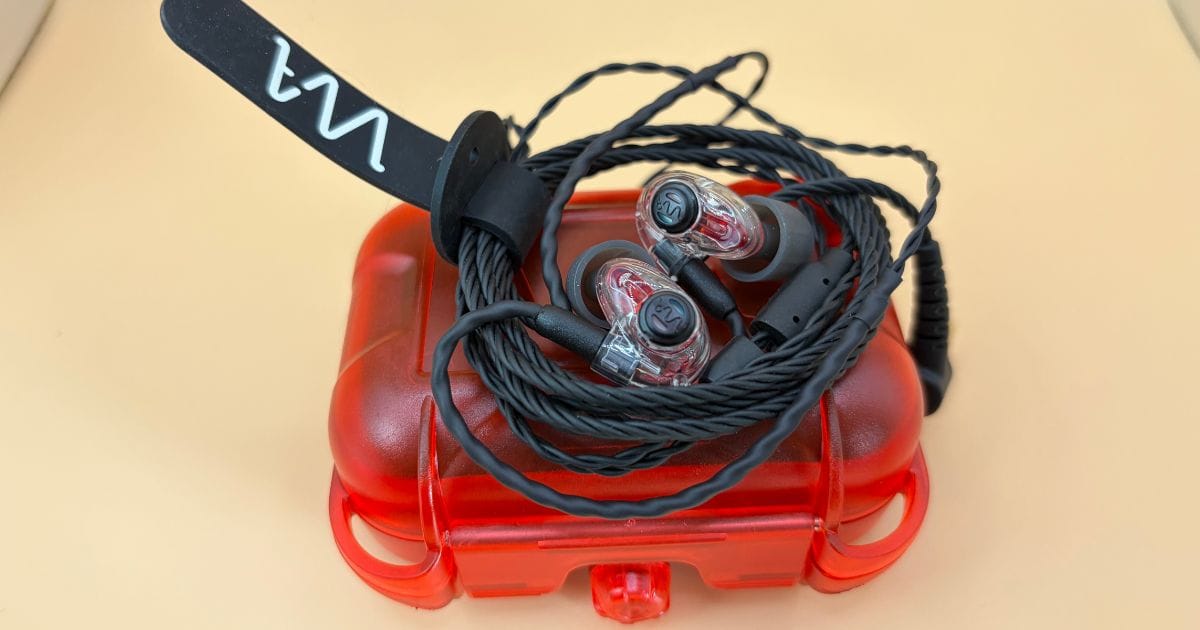
The AM Pro X10 is the entry point of Westone's three-model ambient in-ear monitor range (the X20 has two drivers, the X30 has three). It uses one full-range balanced armature driver per ear and a passive filter called StageSense built into the housing. The idea: you hear your monitor mix at full quality while a bit of the stage, the band, and the crowd bleeds through naturally.
Westone's own pitch is that traditional open-vent ambient monitors wreck frequency response, and that its filter avoids that trade-off.
Unboxing
Build Quality and Design
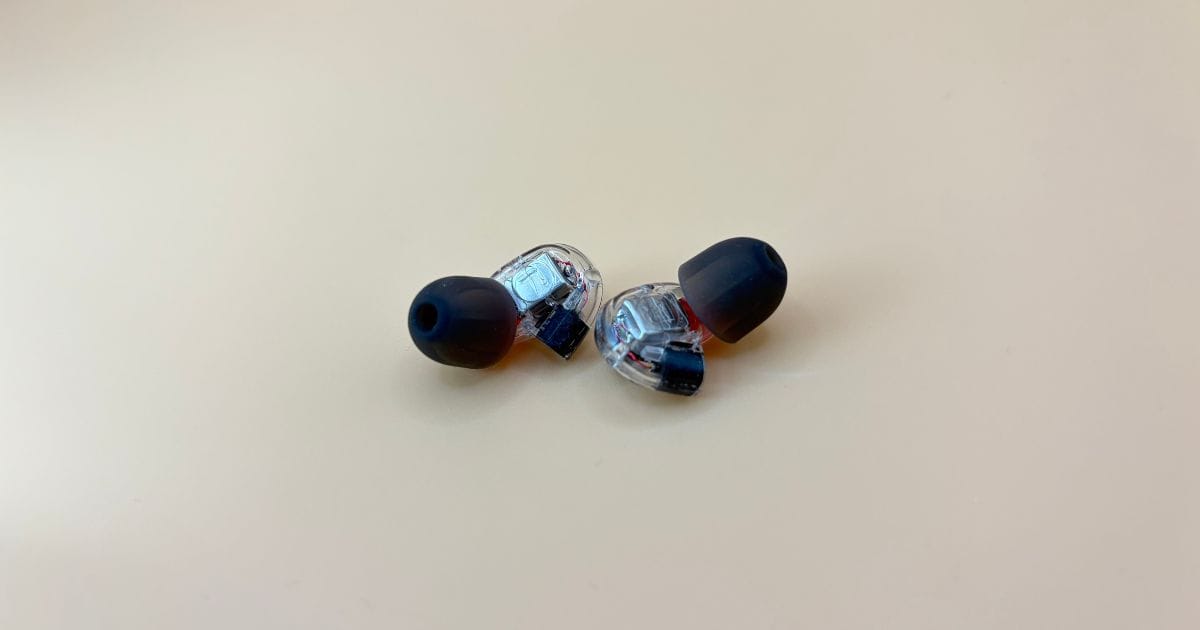
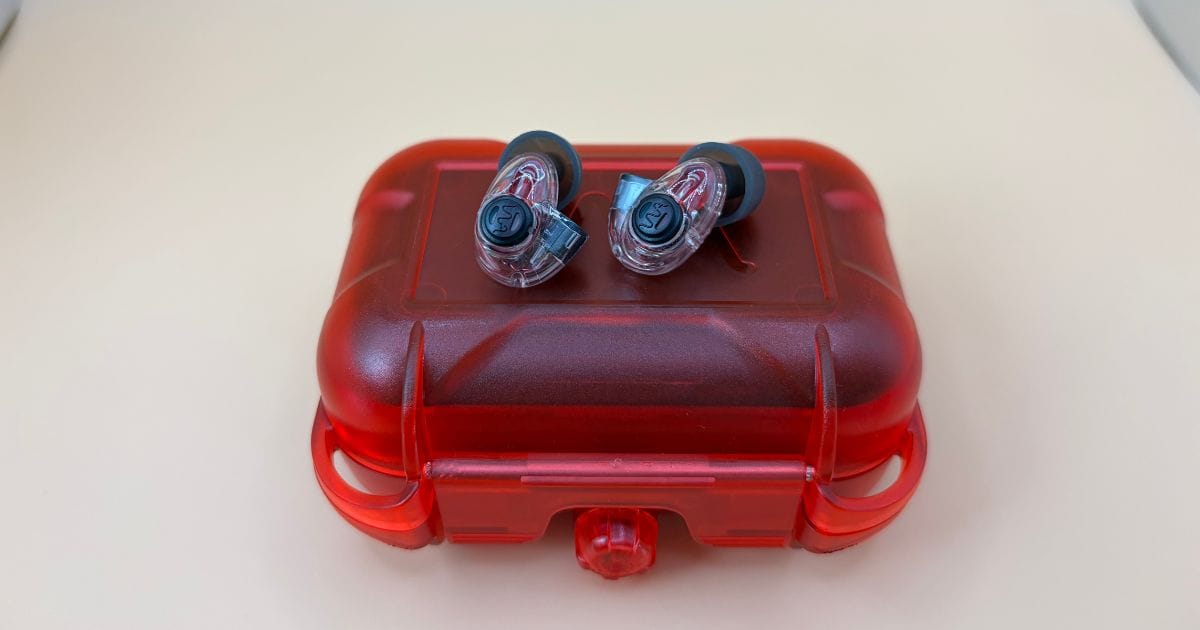
The shells are clear plastic, so you can see the driver and internal wiring, with a red sound tube leading to a long, narrow nozzle and a black Westone badge on the faceplate. They're tiny and very light. Westone also includes their impact-resistant case that is tough enough to hold up for years.
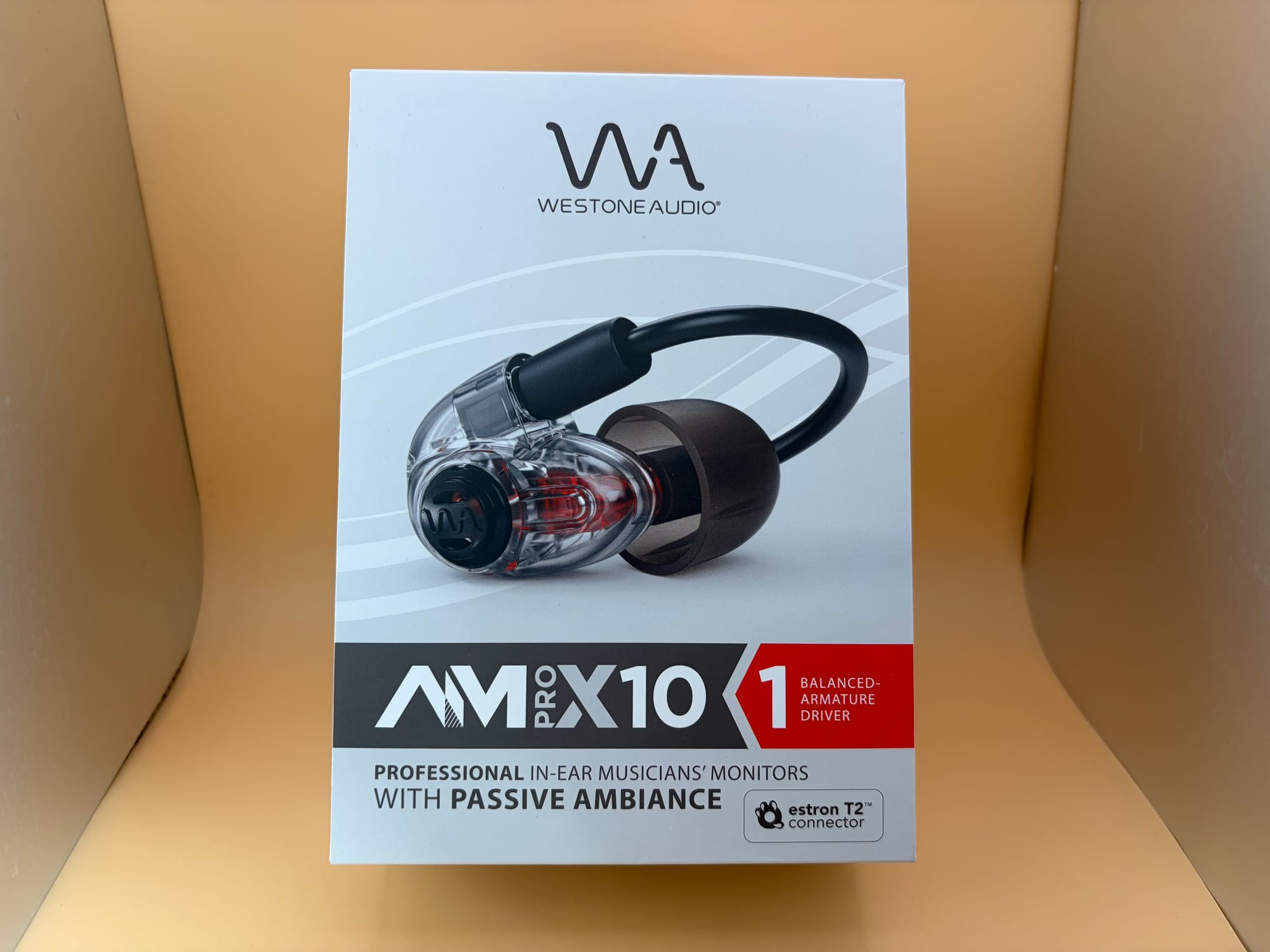
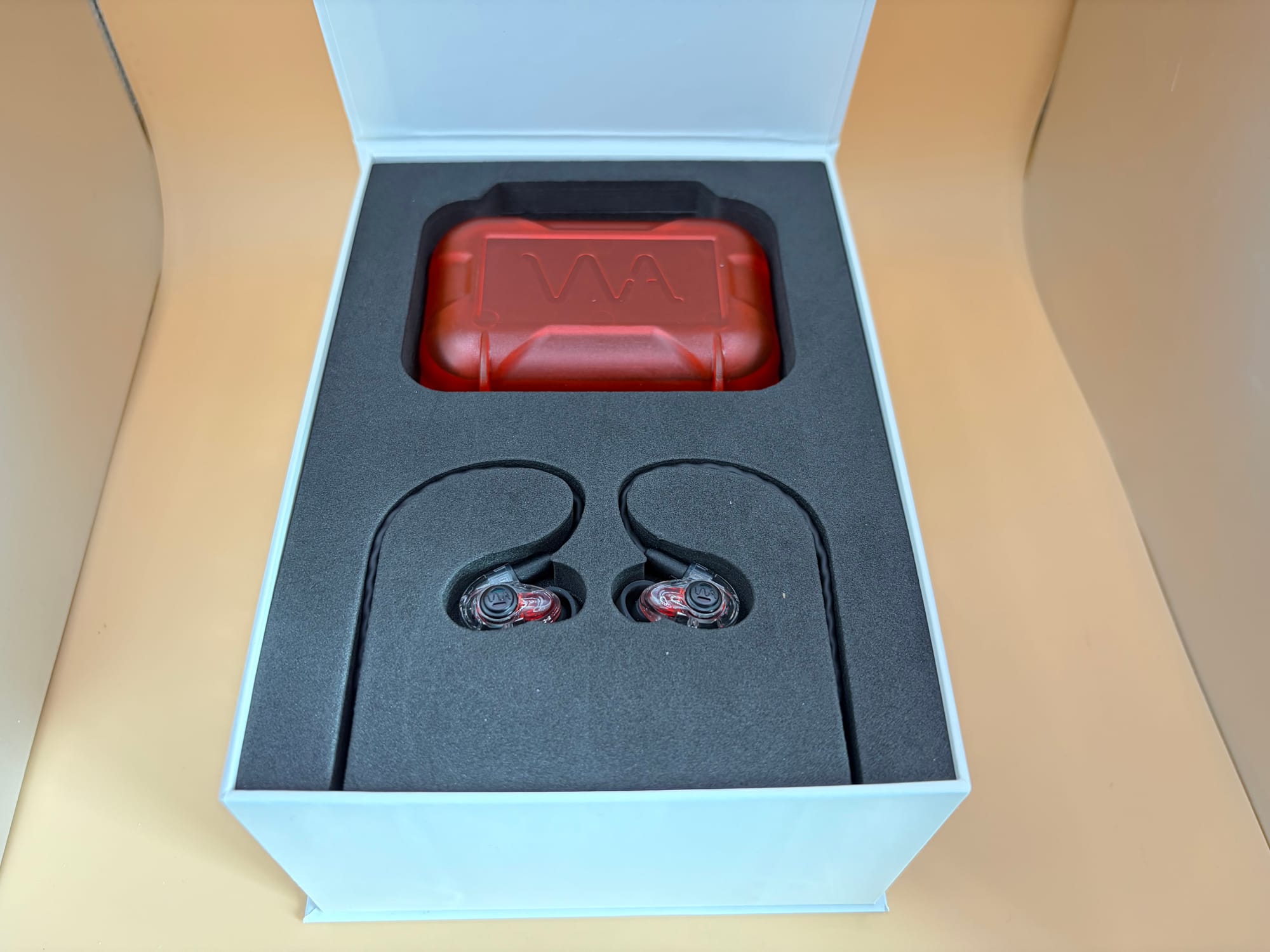
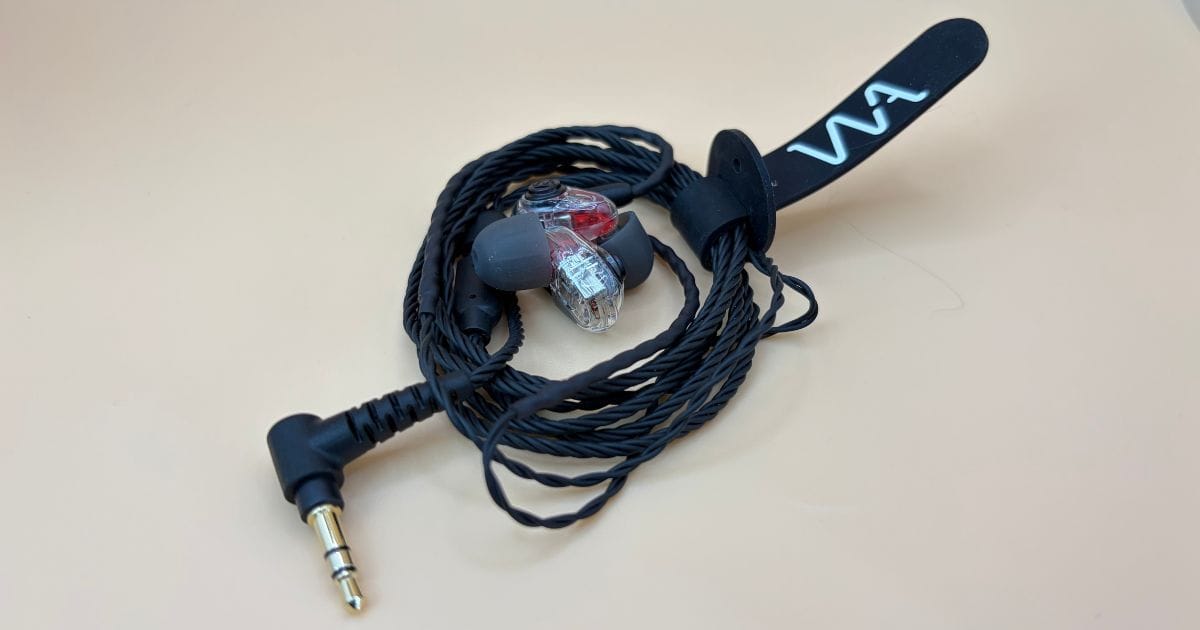
The included T2 cable is silver-plated copper, fairly thin, with a chin slider and rubberized Y-split. T2 is similar to MMCX but smaller. It's secure for most, though T2 cables are far less common than MMCX or 2-pin. The box also includes five pairs of silicone tips, five pairs of foam tips, a wax tool, and a cleaning cloth.
Westone AM Pro X10 Sound Quality
Overall Sound
Think neutral, detailed, and a touch cool, with a forward midrange. It's surprising how big and coherent a single BA can sound with the X10. Single-driver designs can have that classic "BA timbre," but the X10 mostly avoids it. The big caveat is low-end weight, which is polite rather than punchy.
Bass
Balanced armatures can't move air like dynamic drivers, and the X10 doesn't pretend otherwise. What you get is fast, clean bass with good attack and texture, plus a smooth handoff into the mids with no bleed. The sub-bass is slightly reduced in level and is lean with its sense of depth and weight. Fortunately though, the ambient vent doesn't gut the low end, which is what you'd normally fear from a vented design.
Mids
This is the star. The midrange is slightly forward, detailed, and natural, with vocals rendered well and lots of space around instruments. The tonality is neutral with a hint of coolness. It's a great fit for vocalists, acoustic work, and anyone monitoring their own performance.
Treble
Smooth, extended, and clean, with good air and fast transients. I had no trouble with harshness or sibilance. Westone lists a 16 kHz upper limit, which is lower than the X20 and X30, but this can be hard to hear a difference in live listening.
Timbre, Soundstage, and Imaging
Timbre is natural, and using one driver keeps everything coherent across the range. The Soundstage is spacious with width, height, and depth in rough proportion. Imaging and layering are strong for a single BA. Don't expect open-back headphone scale, but the stage is bigger than the tiny shells suggest.
Does StageSense Actually Work?
This is the feature that defines the X10, so it deserves its own section. Westone's launch materials quote roughly 10 dB of ambient reduction. Importantly, it's passive, meaning it's a tuned, filtered vent rather than a microphone system.
During a full-band performance, the ambience effect isn't super noticeable, but between songs, when nobody is playing, the X10 makes conversations possible without pulling an earpiece out. If you play on loud stages and run your mix hot, expect StageSense to matter less. If your levels are moderate, it's a useful quality-of-life feature.
Comfort, Fit, and Isolation
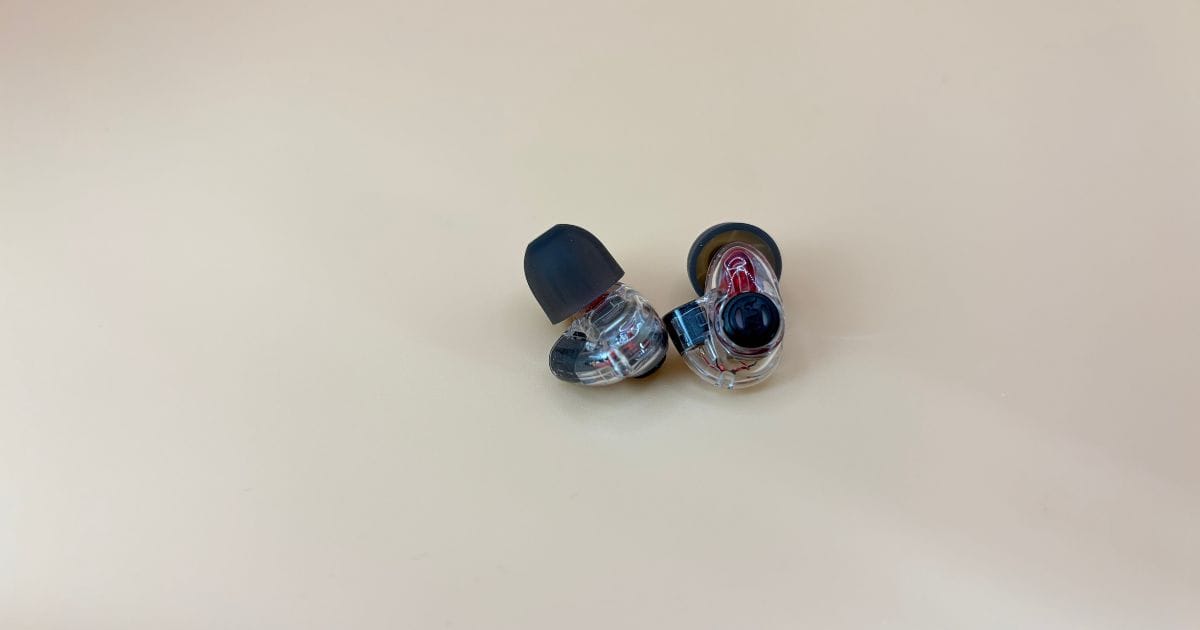
The low-profile shells and deep-insertion nozzles make for a comfortable, snug fit once seated, and these are all-day wearable. Fit does matter here: find the right tips, and you'll keep your bass; get the wrong ones, and you'll lose low end and possibly your earpieces. The long nozzles do limit 3rd party tip-rolling.
Isolation is intentionally moderate. It's good, but outside sound is still discernible. That's the point of the design. If you want a full seal, look at the non-ambient Pro X10 sibling instead.
Westone AM Pro X10 vs the Competition
vs Westone AM Pro X20
The X20 adds a second driver and extends the range to 18 kHz. The dedicated bass driver adds a balanced, slightly warm presentation and sufficient bass power despite the vent. It also costs noticeably more at around $399. If bass weight matters and budget allows, the X20 is the natural step up.
vs Etymotic ER3SE (around $200)
Another single-BA IEM with a flat, accurate sound and a 20 Hz to 16 kHz range, but the philosophy is opposite: the ER3SE targets 35 to 42 dB of isolation, while the X10 lets the room in. The ER3SE also uses MMCX cables, which gives you more upgrade options. Read our full Etymotic ER3SE review if you're deciding between accuracy-first and awareness-first.
vs Sennheiser IE 200 (roughly $130 to $150)
A dynamic-driver IEM that Sennheiser markets as neutral with impactful bass. It typically gives you more low-end weight than a single BA can and costs less, but it offers no ambient feature and isn't stage-focused. Pick it if you want a bassier all-rounder on a budget.
Who Should Buy the AM Pro X10?
It's best for singers, acoustic players, and musicians who run moderate monitor levels and want some stage awareness. It's a good pick for anyone who values midrange clarity and a natural tone. Skip it if you need heavy bass, a fully sealed experience, or maximum durability in a cable connection.
Frequently Asked Questions
What is StageSense technology?
It's Westone's passive filter system built into AM Pro X housings. It provides linear attenuation of outside sound so you can hear your surroundings while keeping your monitor mix intact.
Are ambient IEMs good for casual listening?
They can be. The X10 allows you to be able to pause music and talk to someone nearby without removing an earpiece. Just know you'll get less isolation than a sealed IEM on a loud commute.
Do you need a headphone amp for the AM Pro X10?
Its specs are easy to drive, but a decent DAC or dongle helps.
Final Verdict
The Westone AM Pro X10 is a thoughtful, well-tuned stage monitor with a genuinely useful idea and a balanced, natural sound. It's not a bass cannon, the ambient effect is subtle, and the prices can vary significantly depending on the retailer, but for vocals, acoustic work, and moderate-volume performers, it's an easy recommendation.
Technical Specifications
- Driver: single full-range balanced armature (per ear)
- Sensitivity: 114 dB @ 1 mW
- Frequency response: 20 Hz to 16 kHz
- Impedance: 19 ohms
- Ambient technology: StageSense passive filter (quoted around 10 dB attenuation; one source says 12 dB)
- Channel matching: +/- 3 dB
- Cable: proprietary detachable T2 cable with 3.5 mm plug
- Tips: 5 pairs silicone (XS to XL), 5 pairs foam (XS to XL)
- Accessories: Mini Monitor Vault case, wax removal tool, cleaning cloth
Thanks for reading!
- Read more of the latest rock/metal news here
- Subscribe to our Metal News Email list for weekly updates!
- Support The Metalverse and go ad-free.
- Follow us on Social Media | Instagram | Facebook
- Listen to our metal Spotify Playlists!
- Join our free 5-day music marketing email course!


