


How the Spotify Algorithm Actually Works in 2026 (And How to Use It to Grow)
This guide explores how the Spotify Algorithm really works in 2026 and what you need to know to grow on Spotify.

Why Most Independent Artists Never Get Discovered on Spotify
You upload your track. You share it on Instagram. You tell your friends. And then... nothing. No Discover Weekly placement. No Release Radar bump. Just a steady flatline of streams from the same people who already knew you existed.
Sound familiar? You're not alone—and it's not because your music isn't good enough.
Most independent musicians struggle with Spotify growth because they don't understand how the platform actually decides who gets heard. They focus on streams when the algorithm is watching something else entirely. They release music without a strategy when timing is everything. And they chase playlists when the real prize is the algorithm itself.
The good news? The Spotify algorithm is a system. And like any system, once you understand how it works, you can work with it instead of against it.
In this guide, you'll learn exactly how Spotify's algorithm operates in 2026, what signals it prioritizes, how its key playlist features work, and most importantly, what you can do before, during, and after a release to give your music the best possible chance of being heard by new fans.
💡 Releasing music without a Spotify strategy is like throwing a party and not inviting anyone. The algorithm needs a reason to invite people for you.
What Is the Spotify Algorithm? (And Why It Changed)

The Spotify algorithm is an AI-driven recommendation system that personalizes the listening experience for over 675 million monthly active users. At its core, it uses a combination of collaborative filtering, natural language processing (NLP), and audio analysis to figure out what each listener wants to hear.
For artists, the algorithm is a gateway. When it works in your favor, it pushes your music to listeners who have never heard of you. When it doesn't, your track sits in the dark.
What Changed in 2025–2026
Here's the honest truth that a lot of music marketing content glosses over: the algorithm has gotten significantly more conservative over the past year.
Where it once rewarded novelty and discovery—surfacing new artists aggressively via Discover Weekly—it now prioritizes listener retention above almost everything else. Spotify has found that users return more often and stay longer when they hear familiar music. The result is that features like Autoplay and the AI DJ tend to recycle tracks a listener already knows, rather than introducing unsigned artists.
This doesn't mean algorithmic growth is dead. It means the bar for triggering it is higher. Engagement quality matters more than ever, and the artists who understand this are the ones pulling ahead.
The 3 Pillars: How Spotify Actually Evaluates Your Music

Spotify's recommendation engine is built on three foundational pillars. Understanding each one gives you a clearer picture of what to optimize for as an artist.
1. Collaborative Filtering
This is Spotify's way of connecting the dots between listeners. If User A and User B listen to many of the same artists, and User A discovers and saves your track, Spotify may recommend your music to User B.
This is why your existing audience matters so much. The more niche and engaged your fanbase is, the more accurately Spotify can find other listeners who match that taste profile. A small but highly engaged audience is far more valuable algorithmically than a large, passive one.
2. Natural Language Processing (NLP)
Spotify constantly scans blog posts, reviews, playlist titles, and editorial content across the web to understand how your music is being described. The language people use to talk about your sound–words like "melodic death metal," "progressive rock," or "post-hardcore" feeds directly into how Spotify categorizes and recommends your tracks.
This is why metadata matters. Your artist bio, track descriptions, and the language your fans use publicly all contribute to how the algorithm understands your music.
3. Audio Analysis
Spotify runs every track through its own audio analysis system, evaluating characteristics like tempo, key, energy, danceability, and acoustics. This helps it match your music to listeners whose taste history aligns with those sonic qualities.
The 5 Engagement Signals That Drive Algorithmic Growth
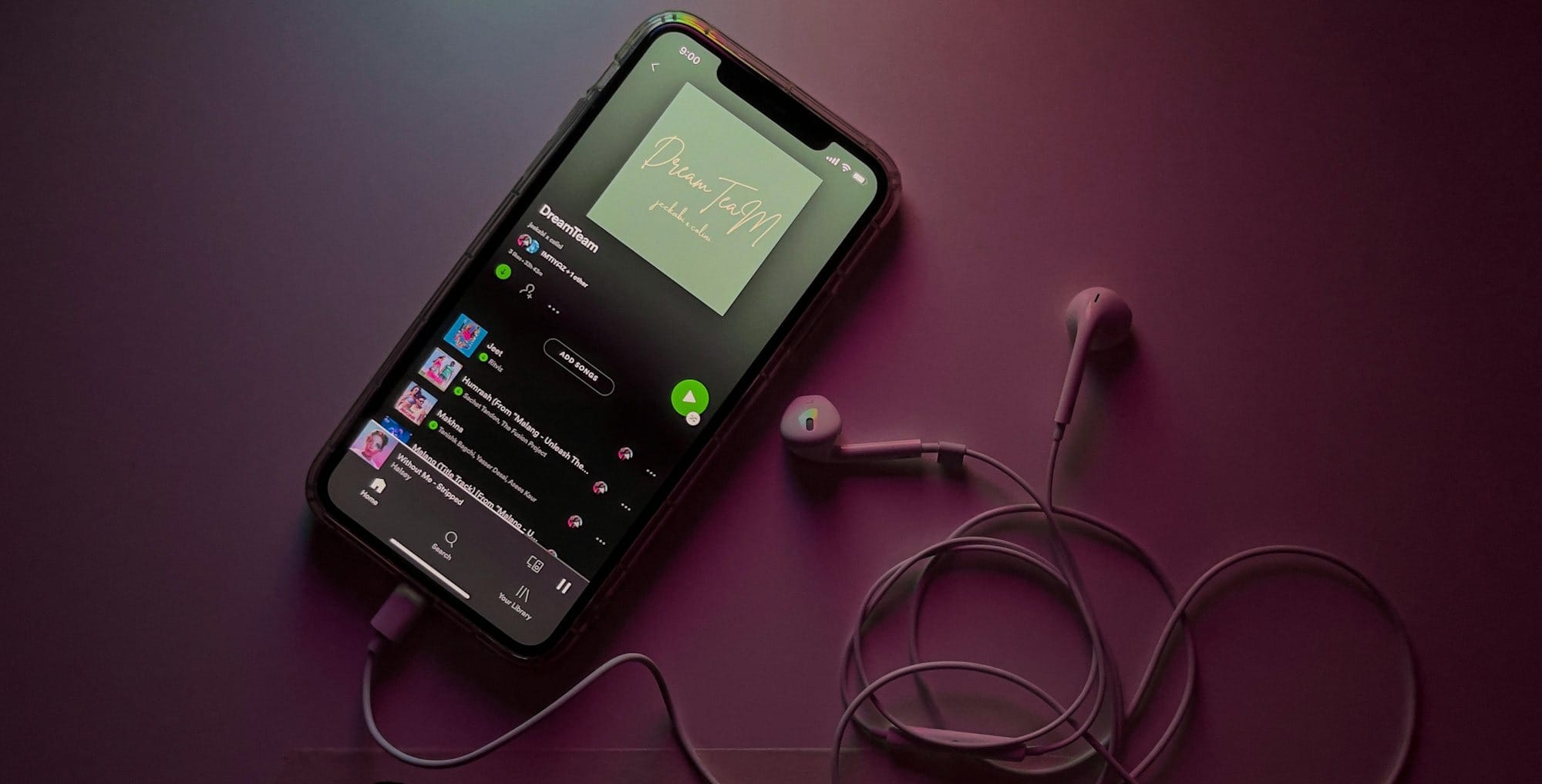
In 2026, the Spotify algorithm doesn't focus only on streams; it also measures behavior. Here are the five signals that matter most, ranked by impact:
- Saves & Library Adds — The single strongest positive signal you can generate. When a listener saves your track to their library, Spotify treats it as a strong vote of confidence. A track with 1,000 streams and 200 saves will outperform one with 10,000 streams and 10 saves almost every time.
- Repeat Plays — When someone listens to your song more than once, especially within the same session, it tells Spotify the track has high replay value. This compounds over time.
- Completion Rate — How many listeners make it to the end of your song? A high skip rate in the first 10–30 seconds is a red flag that actively hurts your algorithmic reach. Your intro needs to earn attention immediately.
- Personal Playlist Adds — When fans add your track to their own playlists, Spotify treats it as a long-term endorsement. This is one of the most overlooked signals independent artists can encourage.
- Follower Growth — Every new Spotify follower means your next release automatically appears in their Release Radar. Building your follower count is one of the highest-leverage things you can do between releases.
💡 Ask fans to save your track and follow your profile—not just to stream it. A save has more algorithmic weight than ten passive plays.
The 4 Algorithmic Playlists Every Artist Needs to Understand
Spotify has four primary algorithm-driven playlists that can expose your music to new listeners. Each works differently—and each can be triggered under the right conditions.
Discover Weekly
Released every Monday, Discover Weekly delivers 30 personalized song recommendations to each user. It's been around since 2015 and remains one of the most coveted placements in the independent music world. Getting on someone's Discover Weekly means Spotify has matched your music to their taste profile with high confidence.
To trigger it, you need genuine engagement from a consistent listener base. Your music needs to be saved, replayed, and added to playlists by real fans whose listening behavior Spotify can cross-reference with others.
Release Radar
This playlist drops every Friday and surfaces new music from artists a listener already follows or has engaged with recently. It's the most directly controllable algorithmic playlist for artists, because building your Spotify follower count directly increases your Release Radar reach.
Pro tip: release music on Fridays to align with Release Radar's weekly update cycle. Submit your track for consideration in Spotify for Artists at least 7 days before your release date. The earlier the better.
Your Daily Mix
Daily Mix playlists blend a listener's favorite tracks with similar songs they haven't heard yet. Landing in a Daily Mix is a signal that Spotify's audio analysis has successfully matched your sound to a listener's taste profile. It's more passive to trigger but compounds powerfully over time as your catalog grows.
Radio & Autoplay
When someone starts an artist or song Radio on Spotify, the algorithm builds a queue of related tracks. In 2026, these features lean more heavily toward familiar artists, which makes them harder for new artists to crack. However, consistent engagement signals across your catalog can still earn you Radio placements. Especially if your sound closely matches an established artist your fans already listen to.
The 72-Hour Window: Your Most Critical Release Period

The first 72 hours after a release are the most important period in an album or single's algorithmic life. During this window, Spotify is testing your track—feeding it to a small initial audience and watching how they respond.
If that initial audience saves it, replays it, and adds it to playlists, Spotify interprets that as a strong quality signal and expands the pool of listeners it shows the track to. If listeners skip it or ignore it, the algorithm pulls back, and the track's organic reach will slow down.
How to Maximize Your Release Window: Step by Step
- Submit for playlist consideration in Spotify for Artists at least 7-14 days before your release date. Fill out every field: pitch text, mood, genre, and instrumentation. This is your shot at editorial placement, which provides the strongest possible initial push.
- Build pre-save momentum before release day. Every pre-save converts into an immediate library add and Release Radar placement the moment your track goes live—giving you instant engagement and a boost in the algorithm.
- Mobilize your existing fans the moment the track drops. Send your email list, post on social media, and message your community. Getting your most engaged listeners to save and share the track in the first 24 hours seeds the algorithm with high-quality behavior.
- Drive external traffic to Spotify. When fans arrive from TikTok, Instagram, or YouTube and actively engage with your track, Spotify recognizes that external platforms are sending loyal listeners, which is a powerful positive signal. This is not the same as paid ads. Organic traffic from content typically converts better.
- Stay active post-release. Comment on shares, respond to fans, and keep promoting for at least two weeks. The algorithm rewards sustained engagement over time, not just a spike on day one.
💡 Think of your release like a campfire. Your job in the first 72 hours is to get the spark going. If early engagement is strong, the algorithm adds the fuel.
What NOT to Do: Algorithm Myths and Dangerous Shortcuts

There's no shortage of services promising to "boost your Spotify algorithm" for $20. Here's why that should terrify you.
Fake Streams and Bot Plays
Purchasing streams from bot services isn't just a waste of money; it actively poisons your algorithmic potential. Spotify's fraud detection has become increasingly sophisticated. Accounts that generate artificial plays are flagged, and the downstream effect is that your track's engagement metrics appear hollow. A high play count with near-zero saves and repeats tells the algorithm something is wrong, and your reach gets suppressed as a result.
Beyond the algorithmic harm, Spotify can and does remove tracks or ban artist profiles found to be using fraudulent promotion. It's not worth the risk.
Low-Quality Playlist Placements
Not all playlist placements are equal. Getting added to a playlist with 50,000 followers sounds great—until those followers are bots or disengaged accounts who immediately skip your track. A high skip rate from a playlist hurts more than it helps.
If you pursue third-party playlist placements, prioritize genre-relevant, engaged playlists over sheer follower counts. Quality of listener engagement always outranks the size of the audience.
Myths Worth Busting
- Myth: You need thousands of followers to get on Discover Weekly. False. A few hundred highly engaged fans can trigger algorithmic placement if their behavior signals are strong.
- Myth: Longer songs perform better. The algorithm doesn't reward length. It rewards completion rate and replay value. Often songs in the 2:30 to 4-minute range do the best.
- Myth: Paid Spotify ads boost your organic algorithm ranking. They don't. Spotify keeps paid promotion completely separate from its organic recommendation system.
- Myth: Releasing constantly is always better. Quality and consistency beat frequency. Releasing every 2-3 months with strong rollout strategies outperforms dumping tracks with no plan.
Optimizing Your Spotify for Artists' Profile
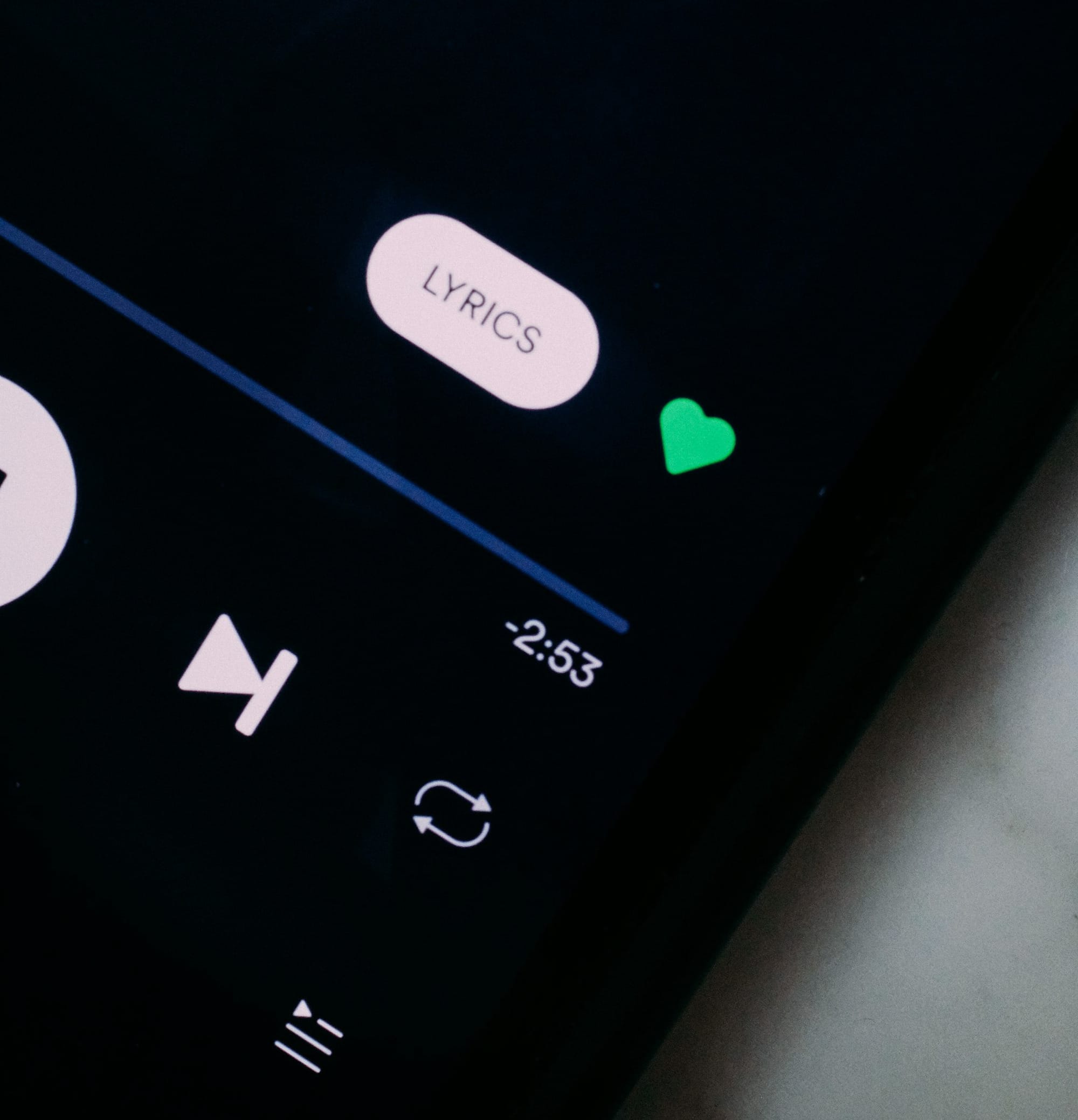
Your Spotify profile is a living part of how the algorithm understands and categorizes your music. These are the elements that directly impact your discoverability:
- Artist Bio: Use clear, genre-specific language. If you're a melodic metalcore band, say that. The NLP system reads your bio and uses it to categorize your sound.
- Canvas Videos: Short looping visuals added to your tracks keep listeners engaged longer and reduce skip rates—directly improving one of your most important engagement metrics.
- Pinned Track: Pin your best-performing or most recently released track to the top of your profile to guide new visitors toward your strongest material.
- Artist Pick: Use this to highlight a new release, an upcoming show, or a playlist. It personalizes the first impression for anyone who lands on your Spotify page.
- Scrolling Lyrics: Lyrics enable a deeper emotional connection to your music, which increases repeat listens and the likelihood of playlist adds.
The Bottom Line: Work With the Algorithm, Not Against It
The Spotify algorithm in 2026 reflects the quality of your listener relationships. When real fans save your music, replay it, add it to playlists, and follow your profile, the algorithm sees a song worth recommending. When engagement is fake, hollow, or low, it pulls back.
Here's a quick summary of what moves the needle:
- Prioritize saves and follows over passive stream counts
- Hook listeners in the first 10–30 seconds. Skip rate is a killer
- Submit for editorial playlist consideration at least 7–14 days early
- Build a pre-save campaign before every release
- Mobilize your real fans in the first 72 hours
- Drive organic external traffic from social media and video content
- Keep your Spotify for Artists profile optimized with bio, Canvas, and lyrics
- Avoid fake streams, bot playlists, and any service that promises guaranteed plays
Artists who follow these methods consistently build the kind of algorithmic momentum that compounds over time.
💡 Your next release doesn't have to disappear into the void. Understand the system, execute with intention, and let your real fans fuel the algorithm on your behalf.
Next Step
Head to Spotify for Artists and audit your last release. Look at your save rate, completion rate, and where your streams are coming from. That data tells you exactly where to focus for your next rollout.
And if you haven't already, you can join the Musician Vault for more guides that help independent bands succeed in the music industry.


