


Thieaudio Hype 4 MKII Review: Does the $399 Hybrid IEM Live Up to its Name?

Disclaimer: I received this product in exchange for my honest review. The Metalverse is an independent website, and all opinions expressed are our own with no monetary incentive. We thank the team at Linsoul and Thieaudio for giving us this opportunity. See our scoring guidelines here:
Thieaudio Hype 4 MKII
Pros
- Great bass texture and quality
- Impressive, far-reaching treble
- Great sense of soundstage, detail, and imaging
- Same cable as Thieaudio Valhalla
Cons
- Treble may be too harsh for sensitive listeners (particularly on high volumes)
The Evolution of Thieaudio
Thieaudio's journey from a small group of passionate DIY audio enthusiasts to becoming one of the most respected names in personal audio is nothing short of remarkable. Since launching in 2019, this relatively young company has made waves in audiophile communities worldwide with their commitment to exceptional sound quality. Their philosophy has always been clear: bring studio-grade audio performance to enthusiasts without the typical flagship price tag.
The brand gained widespread recognition with their Monarch series, which set new benchmarks for what hybrid and tribrid IEMs could achieve. Models like the Monarch MKII and MKIII became instant classics, praised for their tonal accuracy and technical capabilities. Thieaudio's international engineering team, spanning China and South Korea, has consistently demonstrated that thoughtful driver implementation and precise tuning matter more than simply cramming the most drivers into a shell.
Introducing the Thieaudio Hype 4 MKII
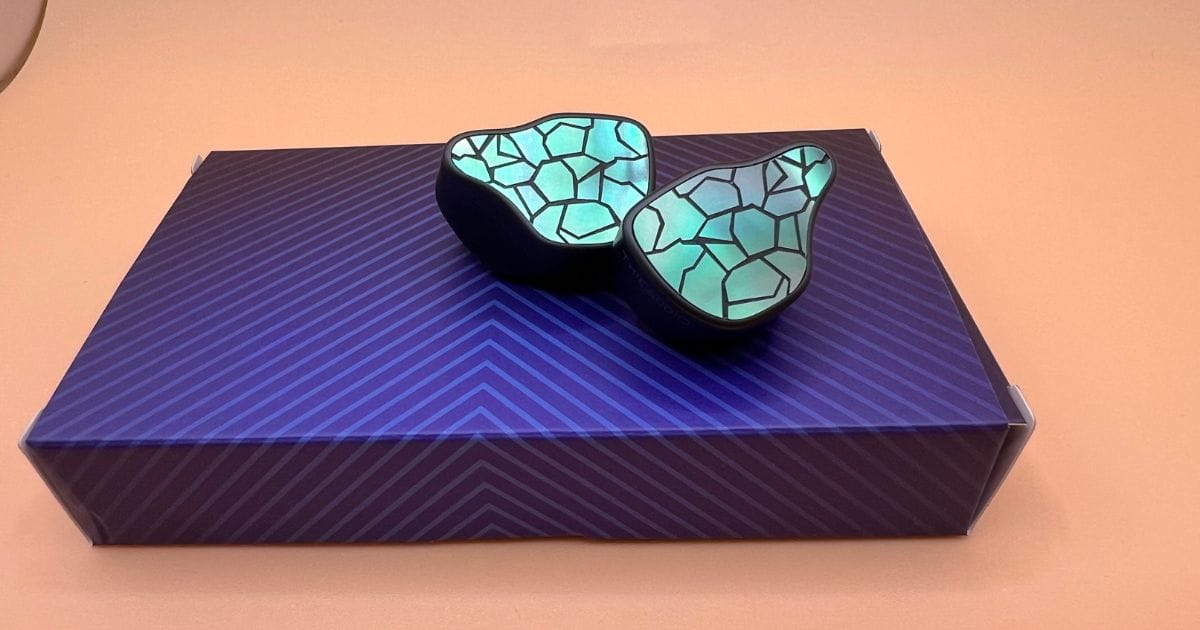
The Thieaudio Hype 4 MKII represents more than a simple revision of its predecessor. This is a comprehensive ground-up redesign that addresses every aspect of the original model. While the original Hype 4 had a major focus on bass and midrange, the MKII is more technical with its focus moved to a brighter sound with far-extending treble while still keeping an admirable (but leaner than the original) bass performance.
At its $399 price point, the MKII positions itself as a serious contender in the competitive mid-range IEM market, where discerning listeners expect exceptional performance without compromise.
The MKII has two 8mm dynamic drivers handling bass and 4 Custom Knowles balanced armature drivers handling the mid and treble, all working together through a sophisticated 4-way crossover system.
The shift from Sonion to Knowles drivers in the MKII generation signals Thieaudio's commitment to elevating performance. Knowles has long been considered the gold standard in balanced armature technology, and the specific models chosen for the MKII—dual RAB series for low-mids, ED-33465 for mid-treble, and the RAD-33518 ultra-tweeter—represent some of the finest drivers available today. These drivers work in harmony with the new Gen 2 IMPACT2 dual dynamic driver system to offer impressive technology at a $400 price point.
Unboxing
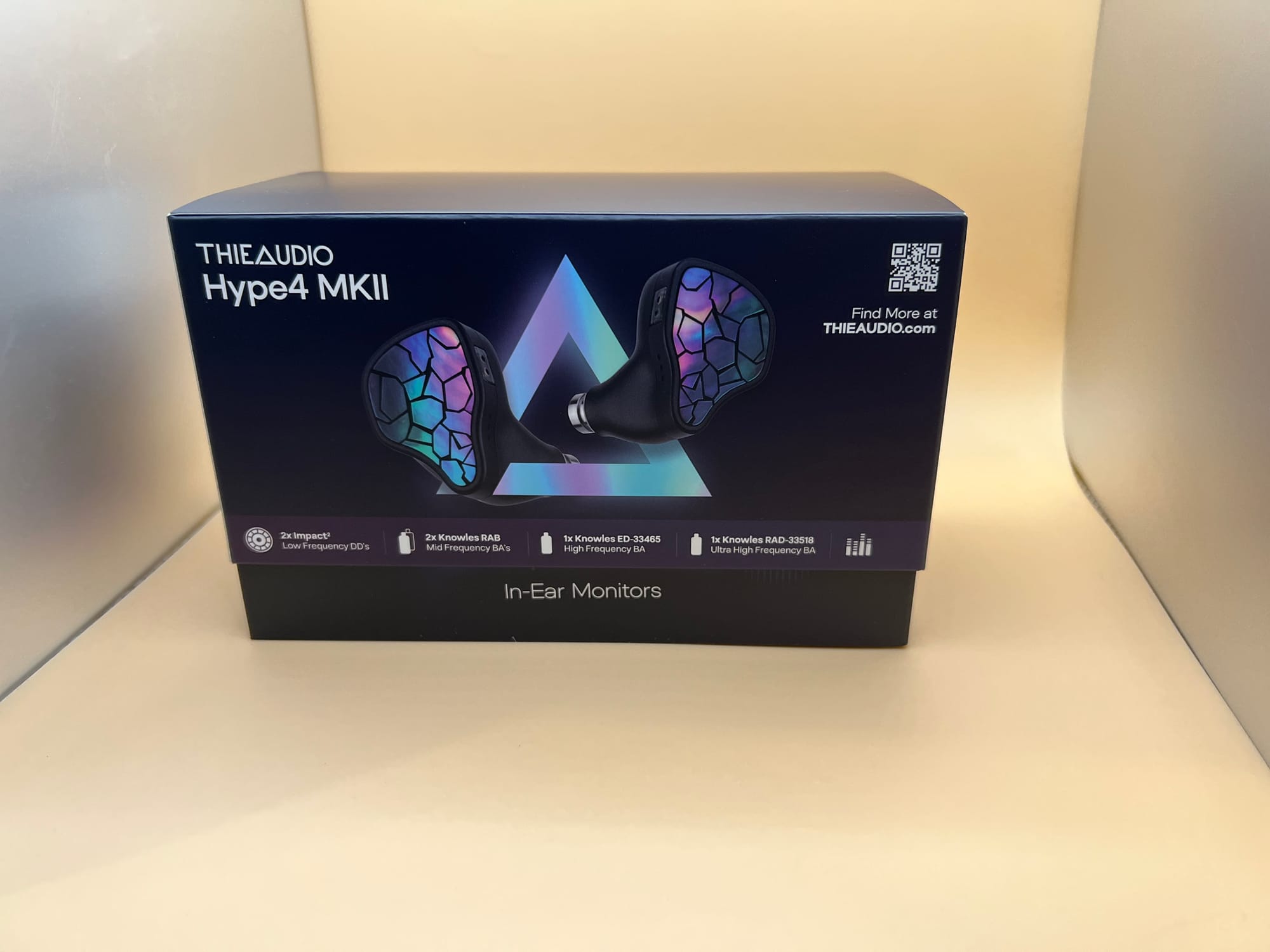

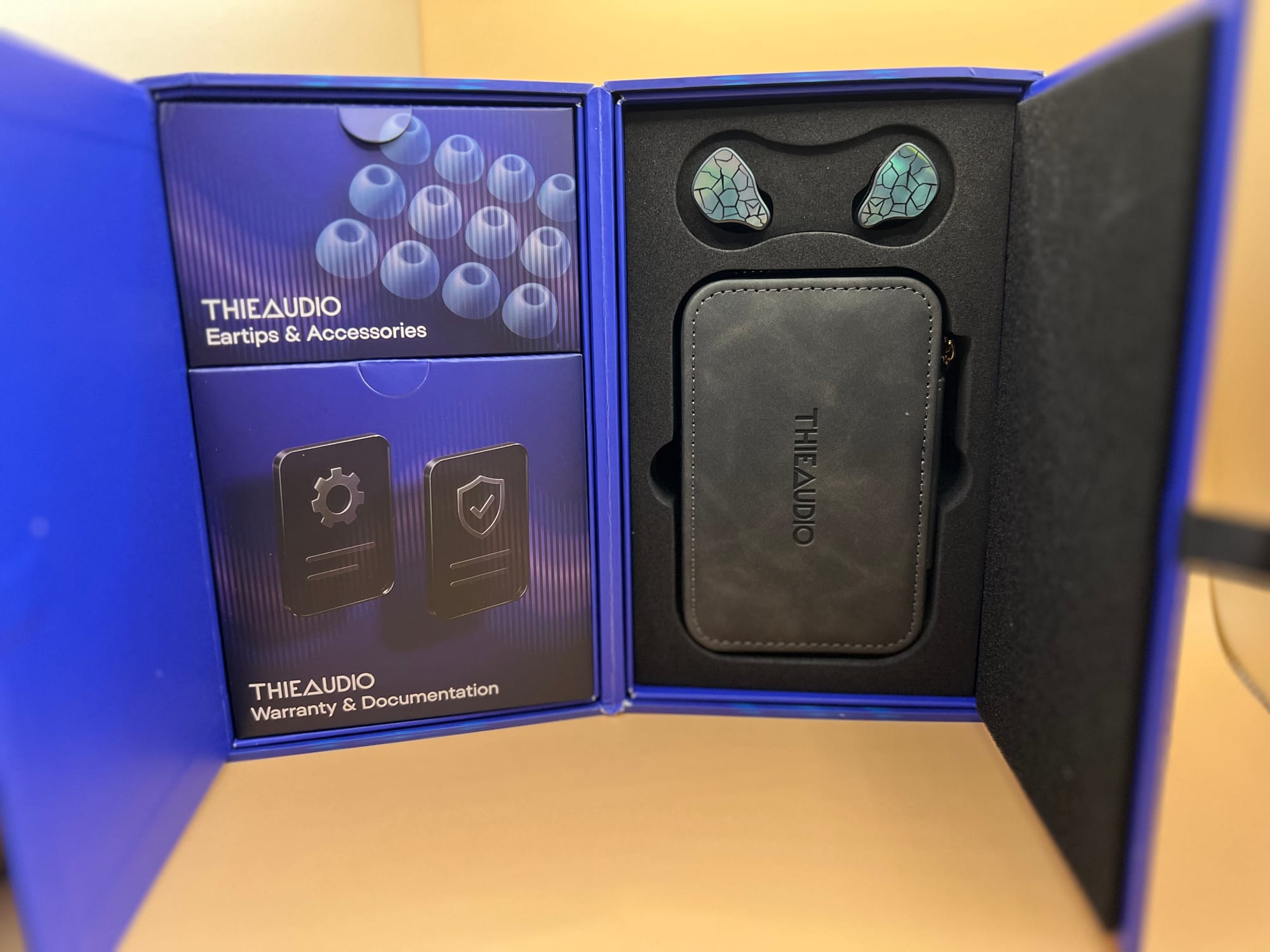
What's in the Box?
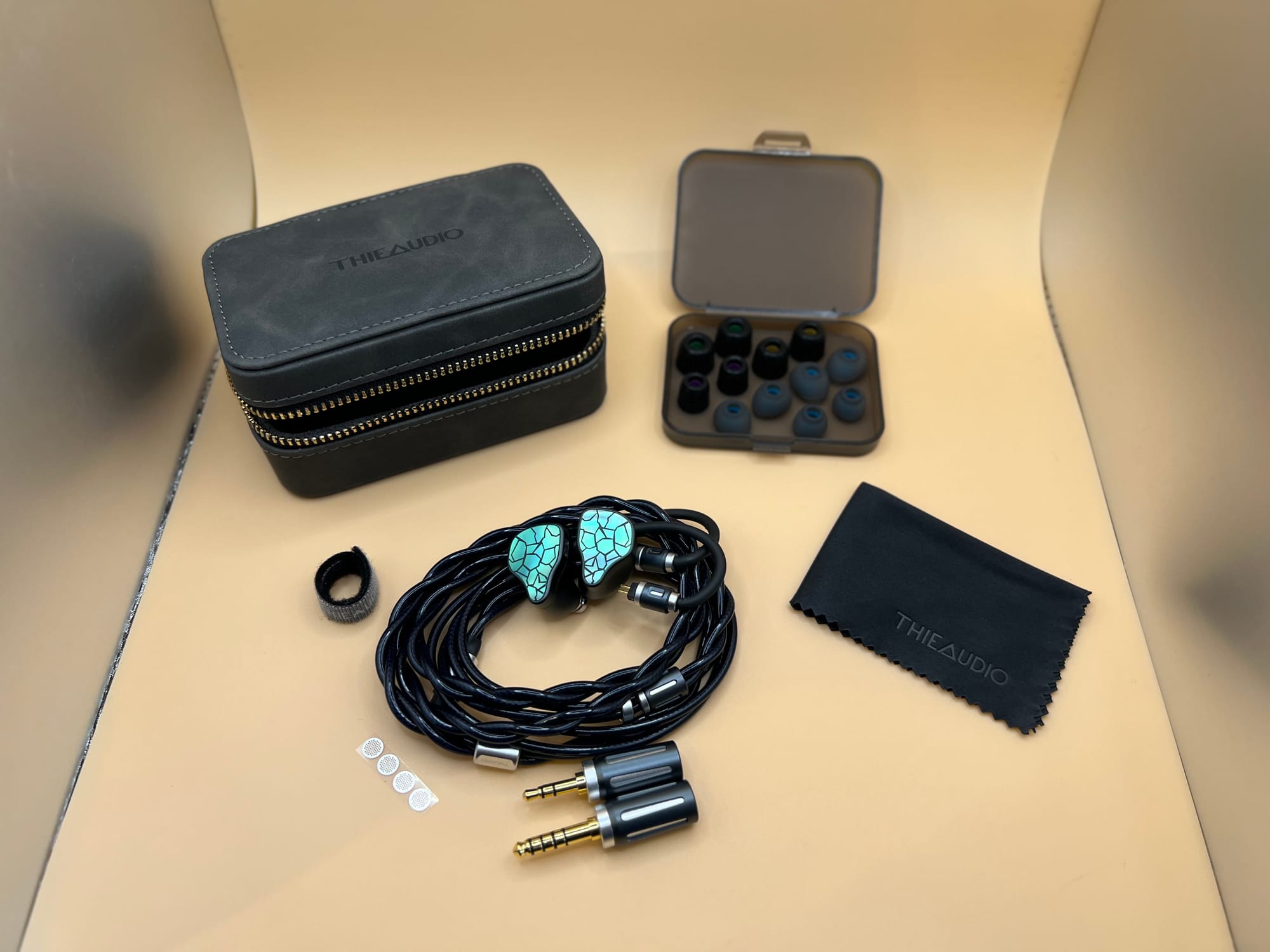
- 1 x Thieaudio Hype 4 MKII
- 3 x foam Ear tips (small, medium, large)
- 3 x silicone tips (small, medium, large)
- 3.5mm and 4.4mm modular termination
- 1 x cable
- 1 x carrying case
- 1 x microfiber cloth
- 4 x swappable filters
Eartips
The included eartips come in a storage case, which I always appreciate, and the 3 sizes in both silicone and foam offer options for superior isolation and regular use. I found the silicone tips to offer a good seal and be ideal for general listening. For the price range, this is a solid ear tip selection.
Cable
The cable is constructed from 7N ultra-OFC copper with silver-plated litz wire in a thick 4-core configuration, it feels substantial without being oversized. The modular plug system is a thoughtful touch, allowing users to swap between 3.5mm and 4.4mm balanced terminations depending on their source. The cable exhibits good ergonomics with minimal microphonics and flexible ear guides that conform naturally without memory wire stiffness. This is also the same cable used on Thieaudio’s $2,000 flagship the Valhalla, which is exciting to see on a more affordable IEM.
Case
Thieaudio changed from their circular puck style case to a more standard square carrying case. I personally haven’t used the puck case but I’ve heard from other reviewers and audiophiles that they much prefer the squared case that Thieaudio is changing to with their newer IEM models. The Hype 4 MKII’s case feels sturdy and works as desired to keep the IEM safe during travel.
Build Quality and Design
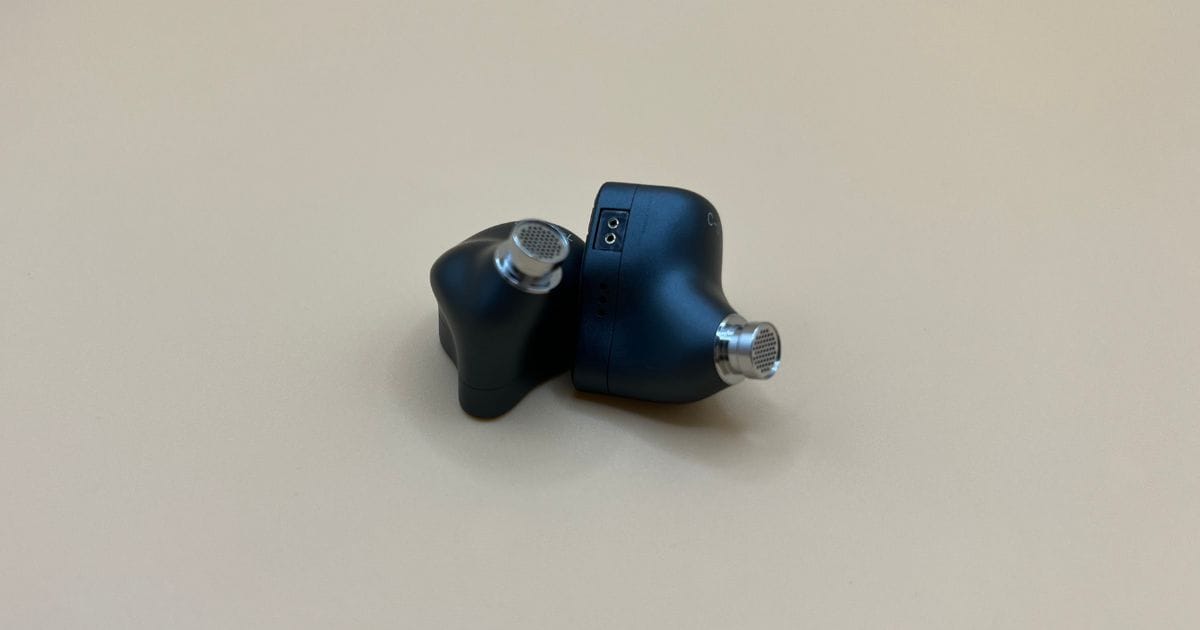
The Hype 4 MKII upgrades from the resin shells of the original to new CNC-machined aluminum housings that is quite durable. The shell seems to be scratch resistant and when feeling around the IEM, everything feels sturdy and I found no flaws.
The faceplate is quite eye catching, featuring a cracked mother-of-pearl aesthetic that catches light beautifully. The recessed 2-pin 0.78mm connectors sit flush with the shell, ensuring a clean connection that won't snag or catch.
The 4-way crossover network utilizes seven separate passive components, each positioned to ensure optimal frequency division and minimal phase distortion. The 4-tube acoustic system routes sound from each driver, maintaining proper time alignment and preventing unwanted resonances.
Sound Quality
Overall Sound
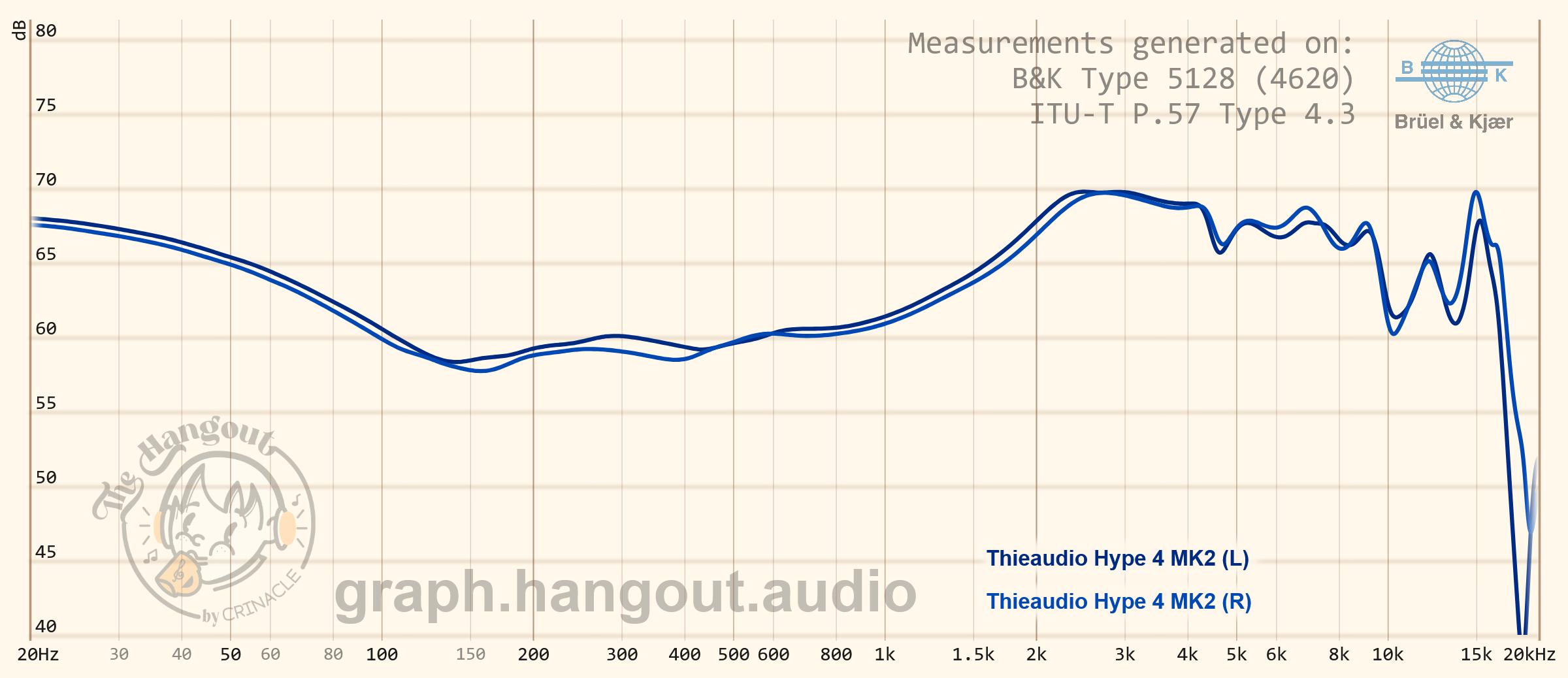
The Hype 4 MKII feels very clean with a generally bright and energetic sound. Thieaudio did reduce the bass response (although it’s still great with the Impact 2 drivers) and instead increased the treble compared to the original Hype 4. Vocals have a slightly “pushed-back” feel, although they don’t come across as veiled or recessed. The brightness on this set makes for a musical and fun listening experience.
Bass Response
The Gen 2 IMPACT2 system in the Hype 4 MKII delivers a bass presentation that's quite good. The dual 8mm composite diaphragm dynamic drivers, housed in Thieaudio's proprietary pneumatic acoustic chamber, produce sub-bass that hits with authority and depth. When you listen to tracks with serious low-end content, the MKII responds with solid impact.
The sub-bass boost peaks around 50Hz with approximately 9dB of elevation, providing satisfying rumble and weight. However, the sharp cutoff at 150Hz ensures the bass doesn't bleed into the midrange, maintaining exceptional clarity and separation.
The mid-bass region exhibits a slight tuck, which some may find controversial. This tuning decision prioritizes clarity and prevents warmth from overwhelming the midrange. Bass-heavy tracks maintain their energy without becoming muddy or congested, and the bass never dominates when it shouldn't. For those accustomed to warmer signatures with more mid-bass presence, this may initially feel lean, but it serves the overall tonal balance well.
The bass texture is above average as instruments feel natural and tonality feels organic. The Hype 4 MKII does have a more polite bass response than the original Hype 4, taking a brighter, cleaner tuning rather than the bass-forward tuning of the first model. In the end though, this level of bass fidelity at the price point is great.
Midrange
Thieaudio has implemented a lush 400Hz hump that adds body and natural warmth to the midrange without introducing mudiness or congestion. This is the sweet spot that makes vocals sound intimate and instruments feel present.
Vocal reproduction is exceptional across the spectrum. Male vocals benefit from the lower-mid richness, sounding full-bodied and authoritative without becoming chesty or boomy. Female vocals soar with clarity and detail, maintaining natural sibilance levels without harshness. Vocals feel life-like and have great clarity in general. The vocal positioning does feel slightly dialed-back, sitting back with the instruments a little bit more than a vocal-forward IEM.
The dual RAB drivers handling the low-mids add richness and tonal depth in this region. The ED-33465 driver managing mid-treble frequencies adds clarity and definition to upper harmonics, ensuring instruments maintain presence and air without becoming thin or analytical.
Treble Response
The treble region benefits enormously from the RAD-33518 ultra-tweeter positioned within the nozzle. This driver delivers extension that rivals electrostatic and planar magnetic implementations, reaching well into the upper registers with remarkable clarity and air.
The upper treble extension creates a sense of openness and space that elevates the listening experience. Cymbals shimmer with realistic decay, hi-hats cut through mixes with precision, and the ambient information that gives recordings their sense of venue comes through beautifully. This airy quality contributes significantly to the MKII's impressive soundstage capabilities, creating height and width that exceeds expectations for a closed-back IEM.
However, the treble region isn't without caveats. During certain songs, harsher instruments can cause sibilance that may be uncomfortable to treble sensitive listeners. On higher volumes, brass, cymbal hits, or other very high frequency instruments can come across “hot” at points, although fortunately peaks are not sharp so sibilance is normally tamable and turning down the volume 1 notch will usually fix this. I personally didn’t find the treble to be too spicy during most listening, but treble sensitive listeners will definitely want to be aware of this.
The MKII certainly leans bright compared to darker IEM signatures, favoring detail and clarity over absolute smoothness. For many, this tradeoff is worthwhile—the technical information and spatial cues more than compensate for occasional treble energy.
Technical Performance
Timbre is remarkably good on the Hype 4 MKII. The bright-neutral tuning provides an excellent foundation, while the quality drivers ensure faithful reproduction of harmonic content. Instruments sound like themselves rather than artificially colored versions.
The soundstage presentation on the MKII is genuinely impressive, particularly for a closed-back IEM. There's substantial width that extends beyond the confines of your head, creating a spacious presentation that rivals many open-back designs. Depth is excellent as well, with layering that places instruments and voices at appropriate distances. Height, while perhaps the most challenging dimension for IEMs to convey, is present enough to create a three-dimensional sonic picture.
Imaging precision stands out as a technical highlight. The 4-way crossover and careful driver implementation create excellent spatial cues. You can pinpoint individual instruments in a mix, track movements across the soundstage, and appreciate the separation even in complex orchestral passages.
Comfort and Isolation
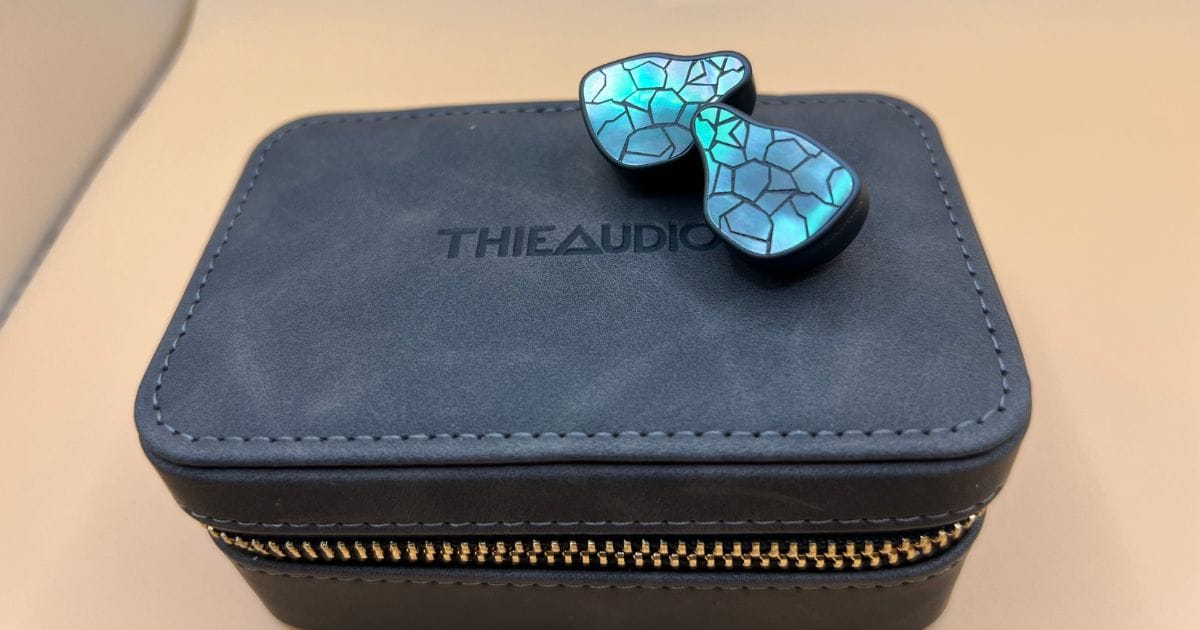
The CNC aluminum shells might raise concerns about weight, but in practice, the Hype 4 MKII sits comfortably for extended listening sessions. The ergonomic shaping ensures the IEMs nestle naturally in the concha without creating pressure points. The nozzles were sized well for my ears—neither too large nor too small—allowing for good ear tip compatibility.
Passive noise isolation performs admirably, blocking a substantial amount of ambient noise without requiring active noise cancellation. This makes the MKII suitable for commuting, office use, or any situation where external noise might otherwise intrude.
The stock ear tips provided a good fit and seal for my ears and the selection of both silicone and foam options in multiple sizes should accumulate every type of ear. Some people may prefer aftermarket tops and with the standard nozzle size, these will be very easy to swap out.
The cable's ergonomics contribute positively to long-term comfort. The ear guides shape naturally without excessive stiffness, the weight distribution feels balanced, and microphonics remain minimal. The modular connector system adds little bulk at the jack, maintaining easy portability.
Comparison Analysis: How the MKII Stacks Up
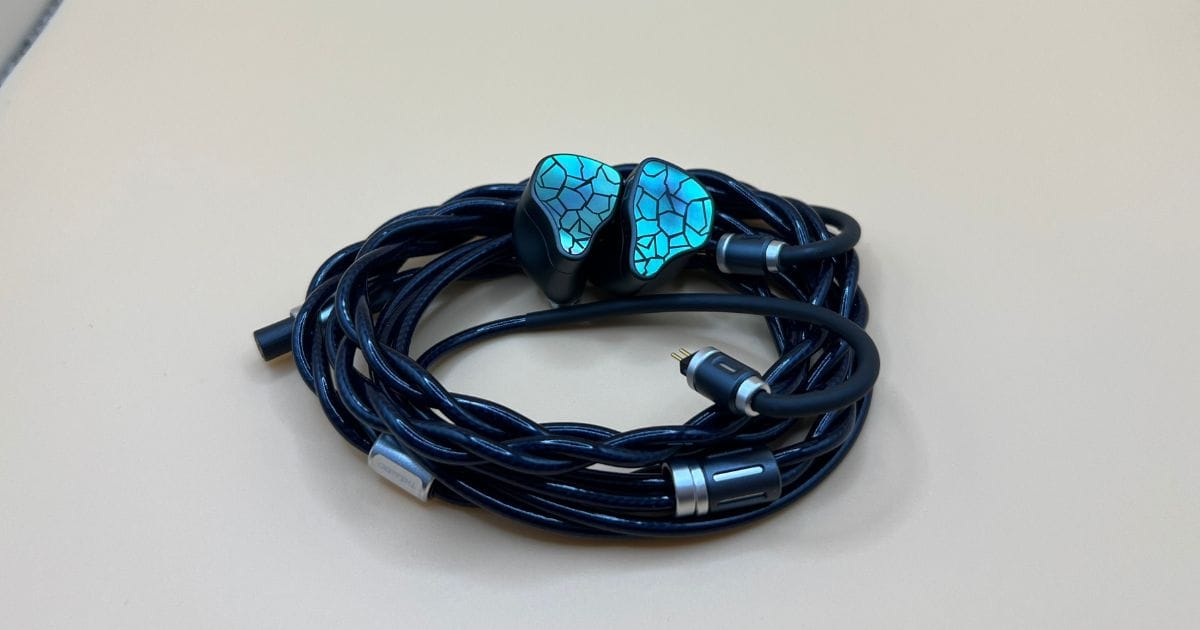
Thieaudio Hype 4 MKII vs Hype 4
The most obvious comparison is with the original Hype 4.
The Hype 4 utilized Sonion balanced armature drivers with 10mm dynamic drivers in the IMPACT2 configuration. The MKII switches to Knowles drivers throughout and reduces the dynamic drivers to 8mm while upgrading to Gen 2 IMPACT2 technology. This isn't a downgrade—the smaller dynamic drivers actually provide better control and speed while maintaining excellent bass quantity and quality.
Tonally, the original Hype 4 presents a bassier, warmer signature with vocals pushed forward in the mix. The MKII opts for a cleaner, more bright-leaning presentation with improved separation between bass and mids. Vocals sit “back” slightly in the soundstage rather than prominently forward. The treble gains extension and air but also picks up more energy, making it less forgiving for treble-sensitive listeners.
Technically, the MKII shows clear improvements. Detail retrieval increases, particularly in the treble region. Soundstage expands in both width and depth. Imaging precision sharpens, making it easier to pinpoint spatial cues. The separation between frequency ranges improves, preventing congestion even in complex passages.
The packaging and accessories also receive significant upgrades, the MKII arrives in premium flip-open packaging, including the modular cable system. Overall, the original will suit bass-heads more while the MKII will be better for treble-heads or people looking for a more neutral (less bassy) set.
Thieaudio Hype 4 MKII vs Kiwi Ears Orchestra II
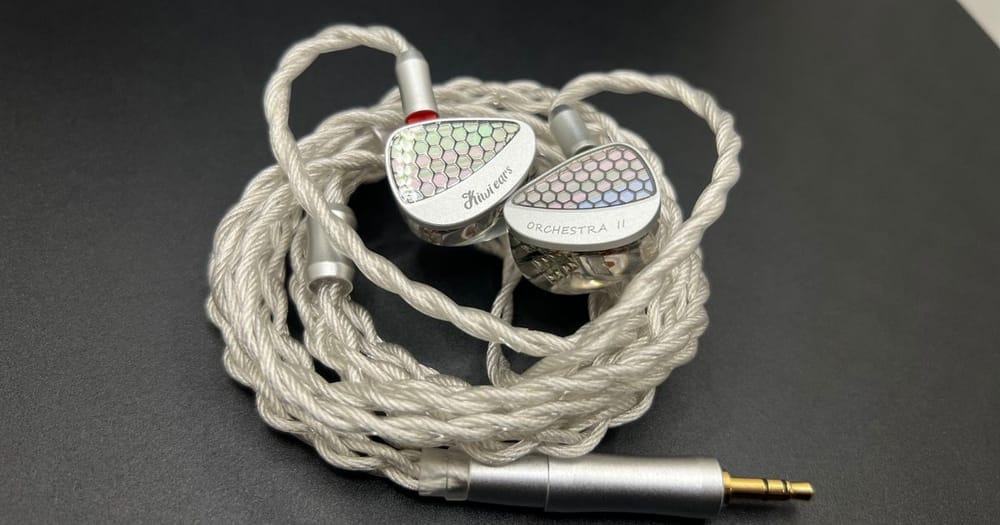
The Thieaudio Hype 4 MKII features a hybrid design with dual 8mm dynamic drivers in an IMPACT2 subwoofer system plus four Knowles balanced armature drivers, housed in CNC-machined aluminum shells. The Kiwi Ears Orchestra II uses 10 custom balanced armature drivers in a transparent resin shell with an iridescent faceplate, making it an all-BA design. The MKII represents a complete ground-up redesign from the original Hype 4, while the Orchestra II is a refined evolution of previous Orchestra models at a more accessible price point.
Where the MKII is bright and highlights far-reaching treble and boomy sub-bass, the Orchestra II takes on a more neutral-warm signature with more vocal forwardness and a less harsh treble. Both sets have great technicality and showcase impressive detail, imaging, and soundstage for their prices.
At $50 less than the MKII, I recommend the Orchestra 2 for listeners who want a more balanced sound and prefer vocal-forwardness. The Hype 4 MKII will be more enjoyable to treble heads who want a bright/energetic IEM that keeps that feeling of substantial bass impact.
Final Verdict
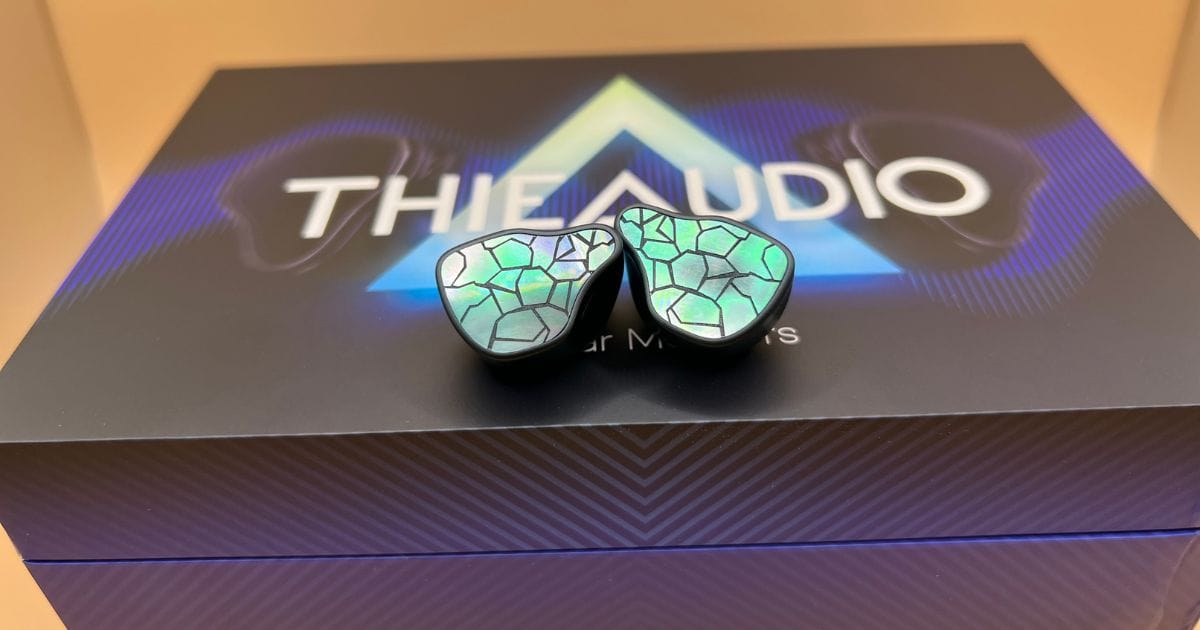
The Thieaudio Hype 4 MKII accomplishes exactly what Thieaudio set out to achieve: a comprehensive redesign that improves technical capability while changing the focus to a brighter tuning.
At $399, it occupies a fascinating position in the market. It delivers technical performance and build quality typically associated with IEMs costing more, while maintaining the accessible pricing that has defined Thieaudio's mission. The bright-leaning neutral tuning strikes an excellent balance between studio accuracy and musical enjoyment, making it versatile enough for critical listening and casual enjoyment alike.
The MKII isn't perfect. Treble-sensitive listeners may find occasional tracks revealing sibilance or brightness. Those who loved the warmer, more intimate vocal presentation of the original Hype 4 might miss that specific character. But these are minor quibbles in the context of what the MKII delivers overall.
For audiophiles seeking a "one-and-done" IEM around $400, the Hype 4 MKII deserves serious consideration. It handles diverse genres with confidence, scales well with better source equipment, and provides the technical chops for critical listening while remaining musical enough for pure enjoyment.
Thieaudio has crafted a compelling argument for why you don't need to spend flagship money to get genuinely excellent sound. The Hype 4 MKII represents the sweet spot where engineering excellence meets accessible pricing, and it's absolutely worth the hype. For anyone who enjoys exceptional treble, the MKII is an easy reccomendation.
Technical Specifications
• Driver Configuration: 2 × 8mm Dynamic Drivers (Gen 2 IMPACT2) + 4 × Knowles Balanced Armature Drivers
• Crossover: 4-Way Crossover with 7 Passive Components
• Acoustic Design: 4-Tube System with Proprietary Pneumatic Acoustic Chamber
• Impedance: 18Ω (±1Ω) @ 1kHz
• Sensitivity: 101dB (±1dB) @ 1kHz
• Frequency Response: 5Hz – 22kHz
• Shell Material: CNC-Machined Aluminum with Anodized Finish
• Cable: 7N Ultra-OFC Copper with Silver-Plated Litz Wire, 4-Core Design
• Cable Connector: Modular System (3.5mm and 4.4mm Balanced Plugs Included)
• IEM Connector: Recessed 2-Pin 0.78mm
• Weight: Approximately 6-7g per IEM (excluding cable)
Thanks for reading! Check out more audio gear reviews and join our community of music enthusiasts.
- Read more of the latest rock/metal news here
- Subscribe to our Metal News Email list for weekly updates!
- Join our free 5-day music marketing email course!
- Support The Metalverse and go ad-free.
- Follow us on Social Media | Instagram | Facebook


