

Is the ZiiGaat Arete II Worth It? Complete Review & Sound Test


ZiiGaat Arete II
Pros
- Immersive soundstage and detailed imaging
- Excellent warm bass with a great bass boost switch
- Durable, full metal build quality
Cons
- Bass switch can make some songs too bassy
- Mids can be slightly lean at points
The ZiiGaat Story
ZiiGaat emerged on the audiophile scene relatively recently, but the company has quickly established itself as a serious player in the hybrid IEM market. Founded with a focus on combining cutting-edge driver technology with accessible pricing, ZiiGaat has built its reputation on models that don't compromise on build quality or sonic performance.
The brand's collaboration-forward approach has proven particularly successful. Working with respected reviewers and audio enthusiasts, ZiiGaat has developed a lineup that addresses real-world listening needs. This philosophy has resonated with both audiophiles and gamers seeking IEMs that excel across multiple use cases. Known for highly popular IEM models like the Horizon and Odyssey series, ZiiGaat returns with their latest Gen 2 release.
Introducing the Arete II
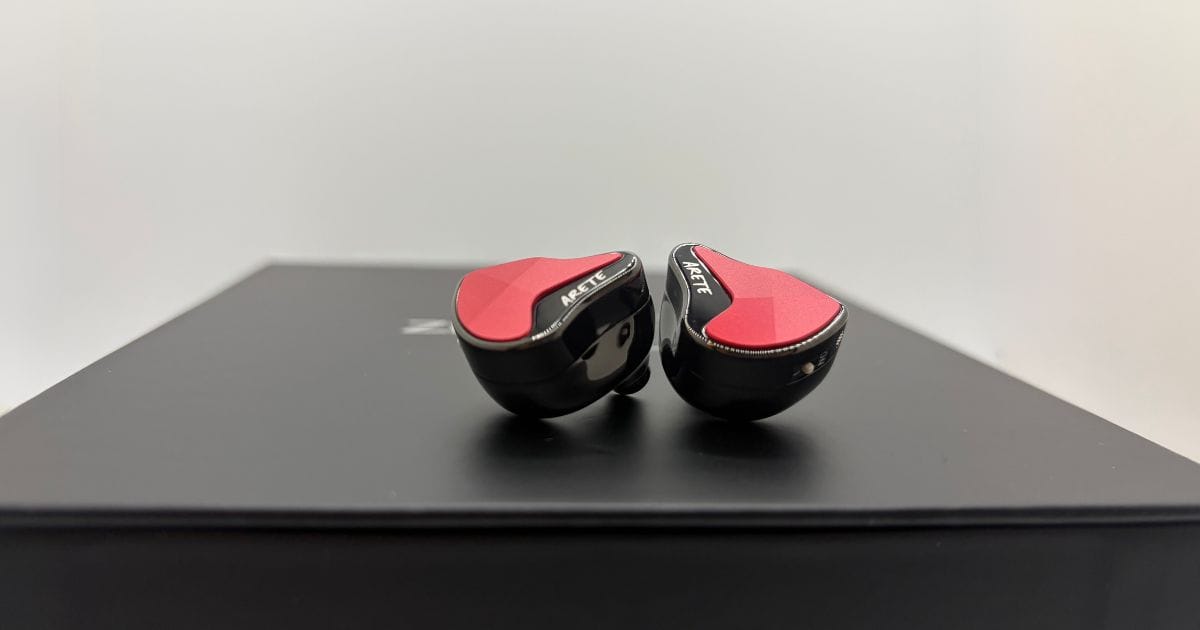
The original ZiiGaat x Fresh Reviews Arete became a cult favorite among gaming enthusiasts and bassheads alike, selling tens of thousands of units worldwide. Its blend of punchy sound, gaming-focused tuning, and competitive pricing made it a go-to recommendation in the hybrid IEM space.
The Arete II builds on fan feedback from the original; this second-generation model addresses previous shortcomings while amplifying what made the first version successful. With the same 1DD + 4 BA driver setup as the original, this time around, ZiiGat has redesigned their dynamic driver utilizing a second-generation composite diaphragm. In addition to the dynamic driver, the Arete II has 4 balanced armature drivers with 2 Knowles ED 29689 drivers covering the midrange and 2 Knowles SWFK 31736's covering the treble.
At $279, the Arete II brings a new bass boost switch feature and changes the aesthetic of the shell quite significantly. Let's see how the Arete II compares to the original.
Unboxing
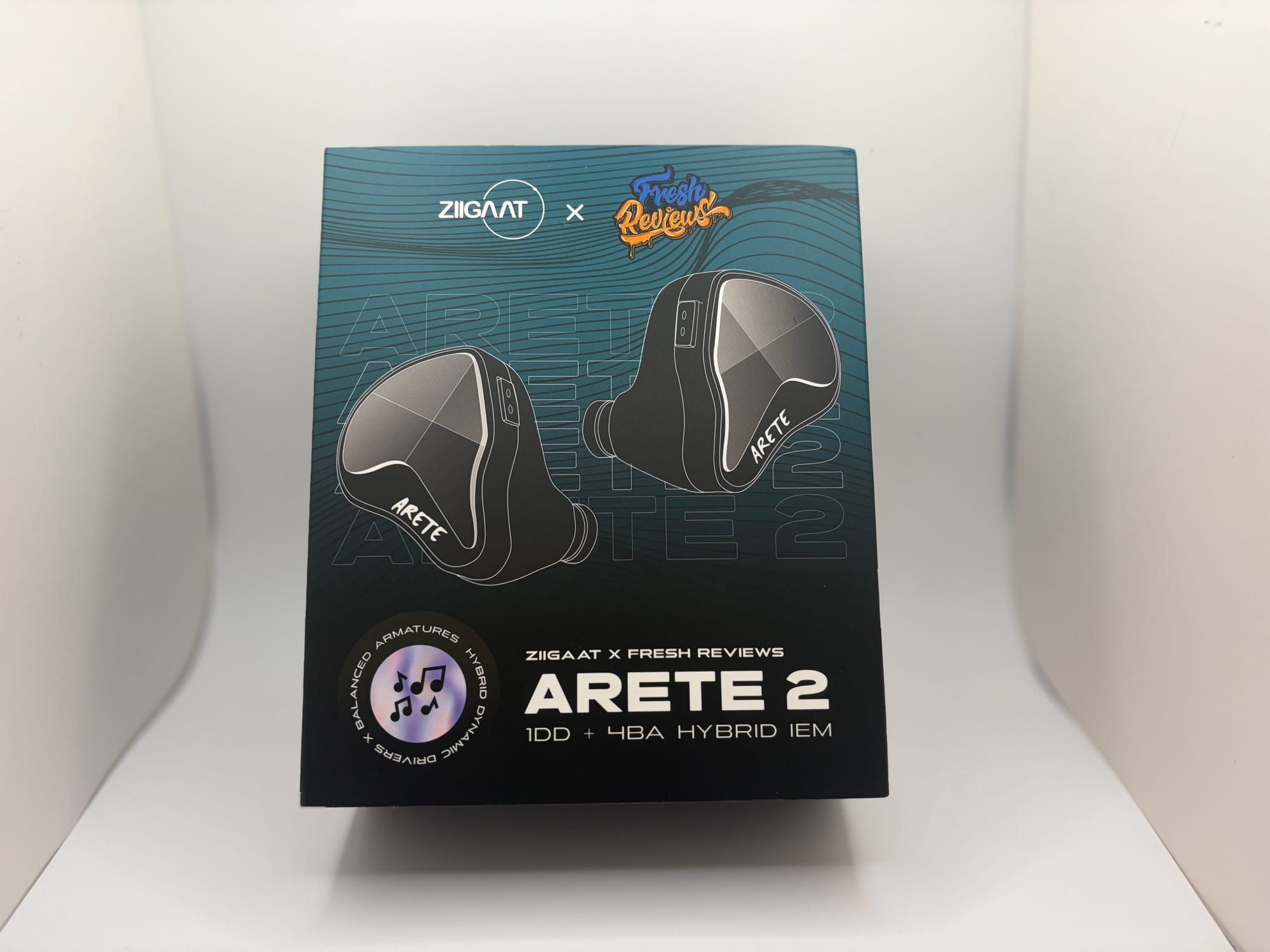
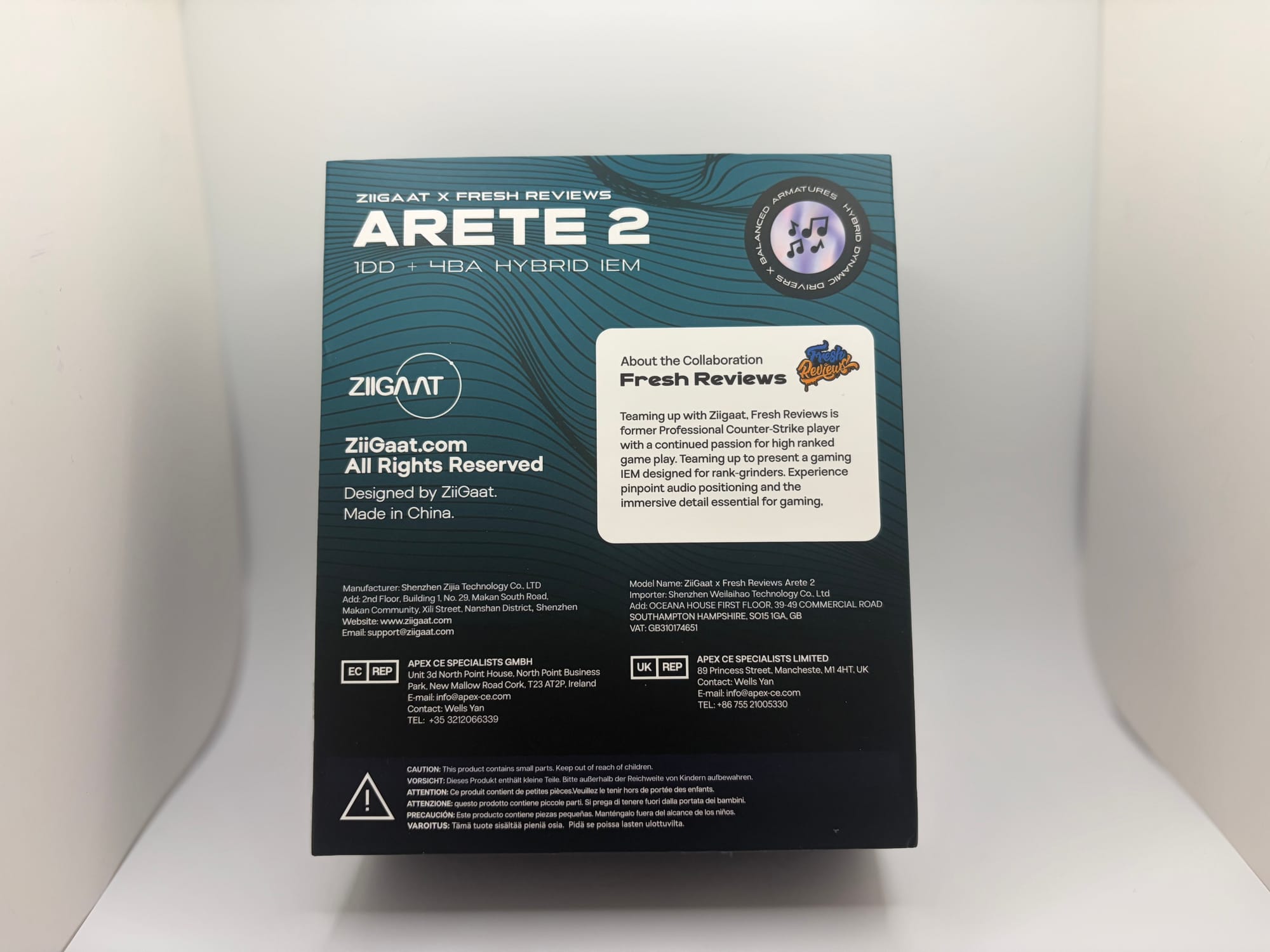
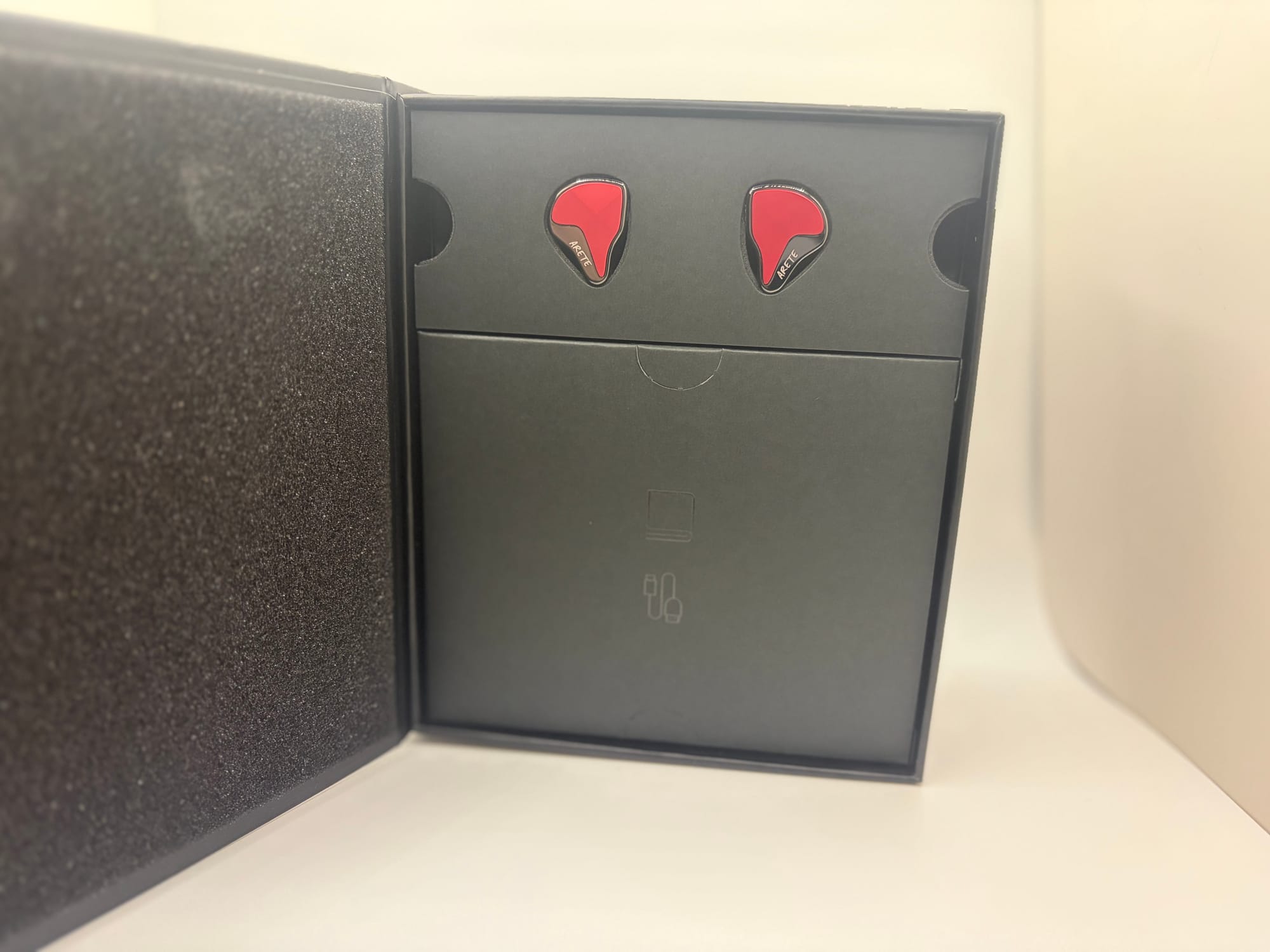
The Arete II has a pretty standard ZiiGaat unboxing experience. It comes with a small box with a custom cover sharing some information on the IEM. After opening, you are greeted by the Arete II and a few small compartments to open. I would say the unboxing experience is about average for the price.
What's In The Box?
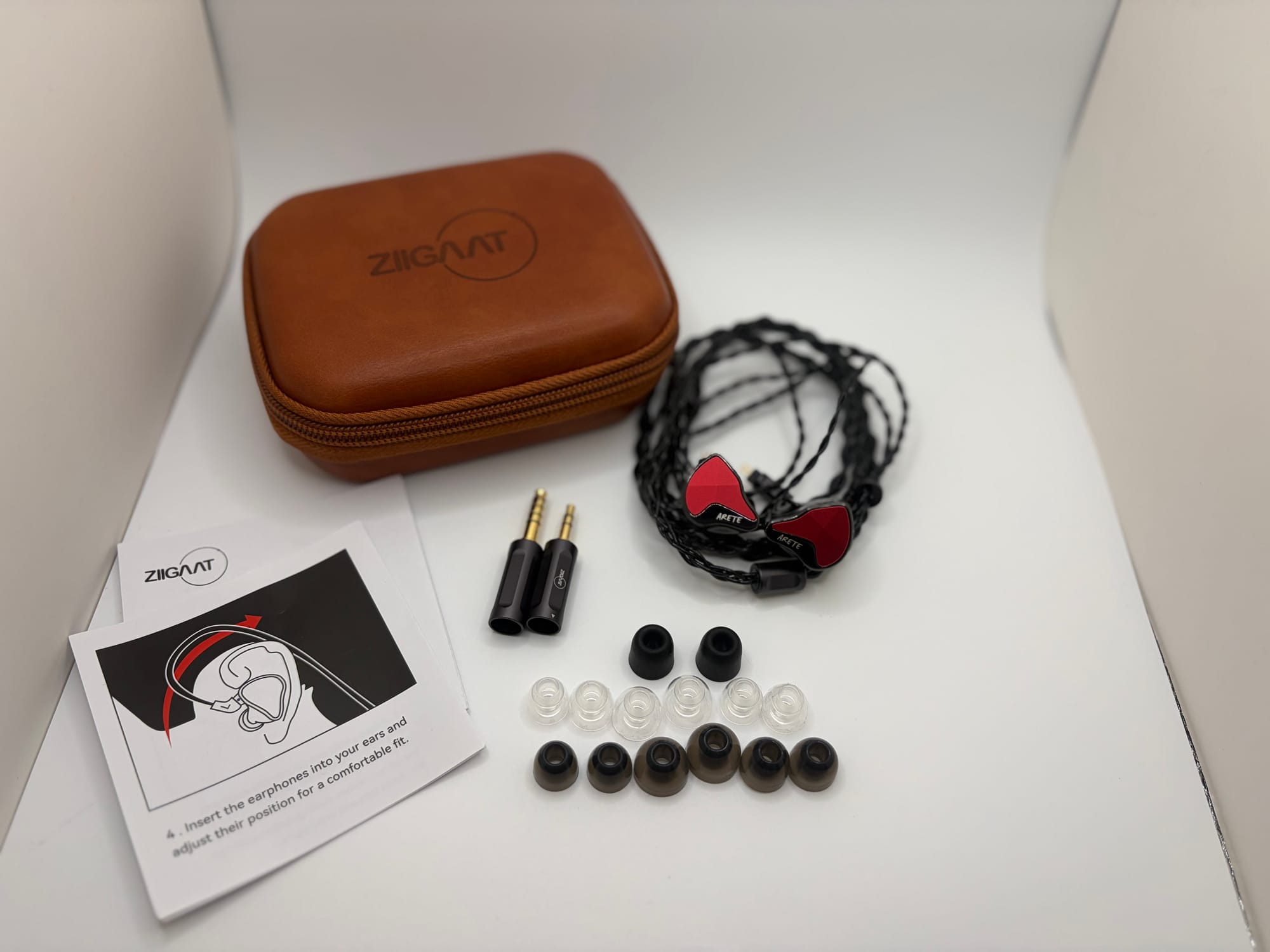
- 1 x Arete II
- 1 x modular Silver-plated OFC 0.78mm 2-pin cable
- 1 x 3.4mm and 1 x 4.5mm termination adapters
- 6 x pairs silicone ear tips (2S/2M,2L)
- 1 x pair of foam eartips (Medium)
- Leather Carrying Case
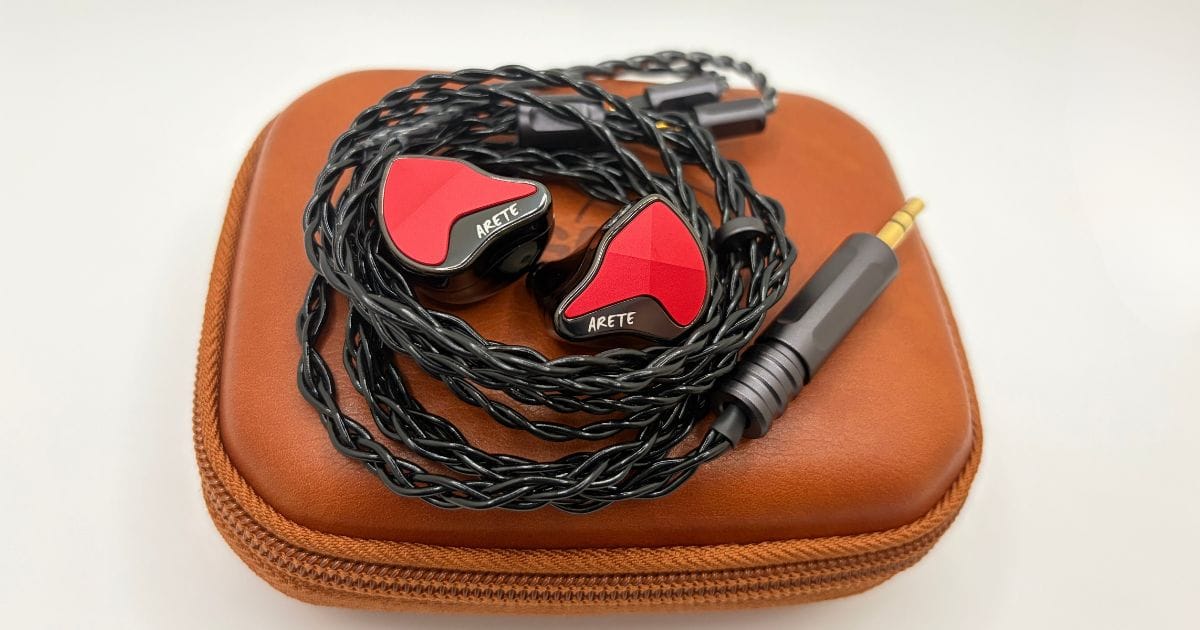
Overall, you get a solid accessory package with the Arete II. The included ear tips provided an ideal fit for me, and I didn't need to use 3rd party options. The modular cable terminations are always great for changing between 3.4 and 4.5mm uses. The cable is thin and lightweight, but still manages to feel sturdy and has a sleek, polished feel to it.
The leather carrying case is the same one included in the Odyssey 2, and I actually really like this case. It has more space than most cases and is definitely durable enough to protect your headphones.
Build Quality
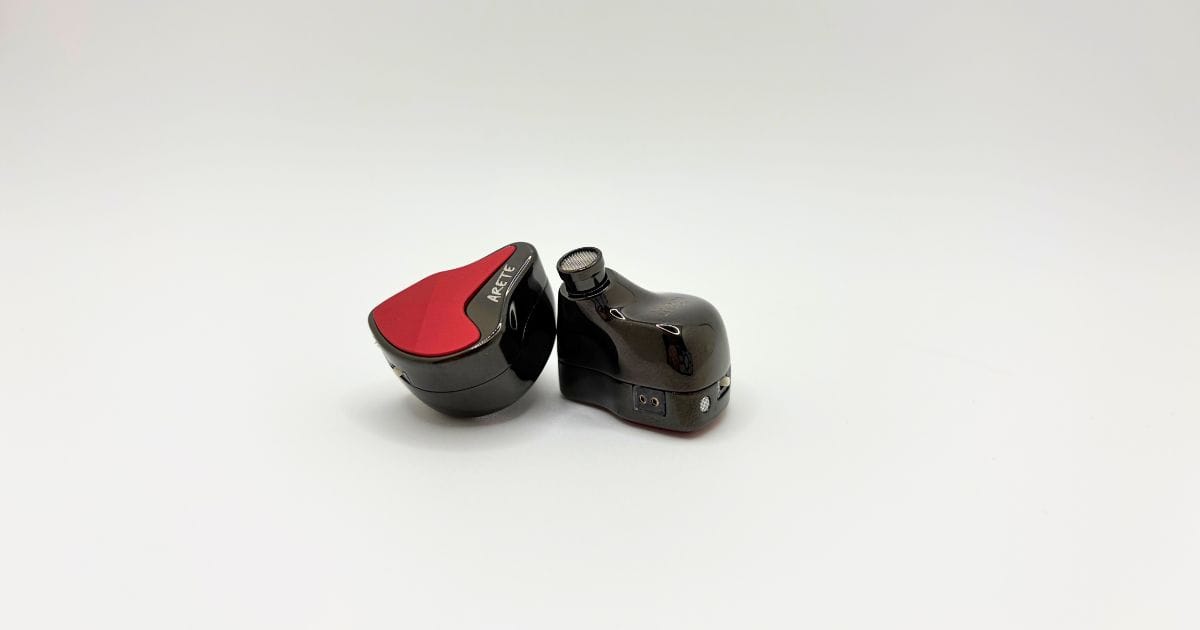
The moment you unbox the Arete II, it's clear that ZiiGaat spared no expense on build quality. Each earpiece is individually CNC-machined from solid aerospace-grade aluminum blocks. The result is a shell that feels substantial without being heavy, with perfectly smooth edges and shining surface finishing.
The attention to detail extends beyond mere aesthetics. The aluminum construction serves multiple purposes: it provides excellent durability for daily use, acts as a natural acoustic dampener to reduce unwanted resonances, and gives the IEMs a slight heft that inspires confidence. The faceplates continue the metal theme, featuring a brushed aluminum finish that catches light beautifully. Available in red or blue colorways, the Arete II makes a visual statement.
One clever design element is the bass switch, positioned discreetly on the outer shell. Unlike some implementations that feel like afterthoughts, this switch clicks satisfyingly into place and stays firmly set during use. It's easy enough to toggle with your fingernail (even while wearing the earbuds), but won't accidentally flip during normal handling.
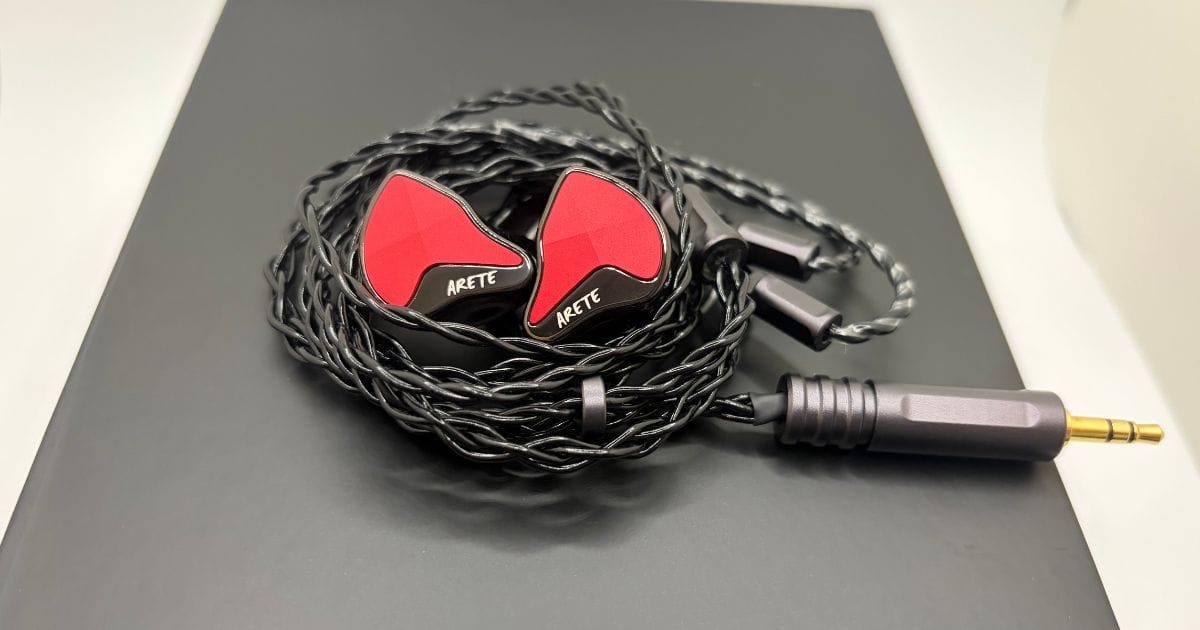
ZiiGaat includes a high-quality silver-plated oxygen-free copper cable with interchangeable 3.5mm single-ended and 4.4mm balanced terminations. The cable itself strikes an excellent balance between suppleness and durability, with minimal memory effect and effective strain relief at key connection points. The 0.78mm 2-pin connectors are industry-standard and feel secure without being overly tight.
Nozzles feature three precisely-machined bores, protected by removable metal grilles that prevent debris infiltration while maintaining acoustic transparency. The nozzle length is slightly longer than average, which some users with very shallow ear canals may find uncomfortable, but the trade-off is improved sound isolation and bass seal.
Sound Quality
Bass
The Arete II's bass response is where the second-generation dynamic driver truly shines. ZiiGaat equipped these IEMs with a 10mm driver featuring a liquid silicone suspension diaphragm—a material choice that combines the compliance needed for deep bass extension with the rigidity required for controlled transients.
With the bass switch off, the Arete II delivers a moderately elevated bass response that emphasizes sub-bass rumble over mid-bass punch. This tuning choice creates an interesting sonic signature: electronic music and hip-hop tracks benefit from that visceral low-end presence, while the relatively leaner mid-bass keeps things from sounding bloated or muddy.
Engage the bass switch, and you're in entirely different territory. The lower frequencies receive a significant boost—approximately 5dB according to measurements—transforming the Arete II into a basshead's delight. The enhanced response doesn't just increase quantity; it shifts the emphasis toward mid-bass as well, adding punch and slam to kick drums and bass guitars. For gaming, this switch position delivers the rumbling explosions and gunfire effects that competitive players crave. I preferred the switch on during most songs, but during songs that are mixed with a lot of bass already, the extra bass can cause some muddiness. Fortunately the bass switch is easy to flip on/off and during bass-heavy songs I could conveniently turn it back off.
The overall quality of the bass is impressive regardless of the switch position and I love that ZiiGaat gave the listener the option to change it on the fly. Attack is snappy enough to prevent the low end from dragging behind the rest of the frequency range, while decay feels natural rather than truncated. Bass notes have genuine texture—you can hear the resonance of acoustic bass strings and distinguish between different kick drum samples.
Midrange
Powering the midrange are dual Knowles ED 29689 balanced armature drivers, a time-tested configuration that's appeared in countless successful IEMs. These drivers handle the crucial 300Hz to 3kHz range where most vocals and many instruments live.
The Arete II's midrange presentation has a good sense of clarity and detail retrieval while creating a sense of warmth and smoothness to the overall sound. Vocals sit forward in the mix with excellent intelligibility and I found both male and female vocals to have a good sense of emphasis that is suitable for pop or any other vocal-centric genre.
Acoustic guitars have precise string articulation, pianos sound clean and well-defined, and orchestral arrangements maintain good separation between string sections. Overall the midrange presents clearly with a good level of smoothness that makes most genres a pleasure to listen to.
The upper midrange around 3kHz receives a carefully tuned peak that enhances presence and prevents vocals from recessing behind the bass and treble. ZiiGaat walked a fine line here: boost this region too much, and you get shouty, aggressive vocals; boost it too little, and everything sounds veiled. The Arete II generally nails this balance, though particularly energetic or compressed recordings can occasionally push into sharpness.
Treble
Dual Knowles SWFK 31736 balanced armature tweeters handle treble duties, extending response well beyond 20kHz. This region is where the Arete II distinguishes itself from many competitors, offering substantial air and sparkle without crossing into harsh or sibilant territory for most listeners.
Lower treble around 5-8kHz provides excellent detail retrieval and contributes to the Arete II's impressive sense of resolution. Cymbal crashes have realistic shimmer, hi-hats cut through dense mixes cleanly, and the leading edges of notes snap with satisfying definition.
Upper treble extension is quite impressive for the price point. The sense of air and openness in the highest frequencies contributes significantly to the Arete II's spacious soundstage presentation. String instruments have natural overtones, and there's a palpable sense of acoustic space in well-recorded tracks.
Technical Performance
The Arete II's timbre leans slightly warm. Even though the Arete II has a thick, smoothness to its sound–particularly with its heavy bass performance—individual instruments are rendered with impressive detail and accuracy. Acoustic instruments like violins and cellos sound precise and well-defined.
Where the Arete II truly excels is soundstage width and imaging precision. The spacious presentation extends well beyond the confines of your head, creating an immersive listening experience. Orchestral recordings spread instruments across a wide stage with excellent left-to-right separation. The sense of depth is less impressive than the width, but still above average for closed-back IEMs.
Imaging is exceptional. In competitive gaming scenarios, this translates to pinpoint footstep tracking in titles like Call of Duty or Valorant. For music listening, you can easily identify exactly where each instrument sits in the mix, making the Arete II excellent for analyzing complex arrangements.
The combination of spacious staging and precise imaging makes the Arete II a technical standout in its price category. These qualities don't just benefit gaming; they enhance any listening scenario where spatial awareness matters, from binaural recordings to surround-processed movie soundtracks.
Comfort and Isolation
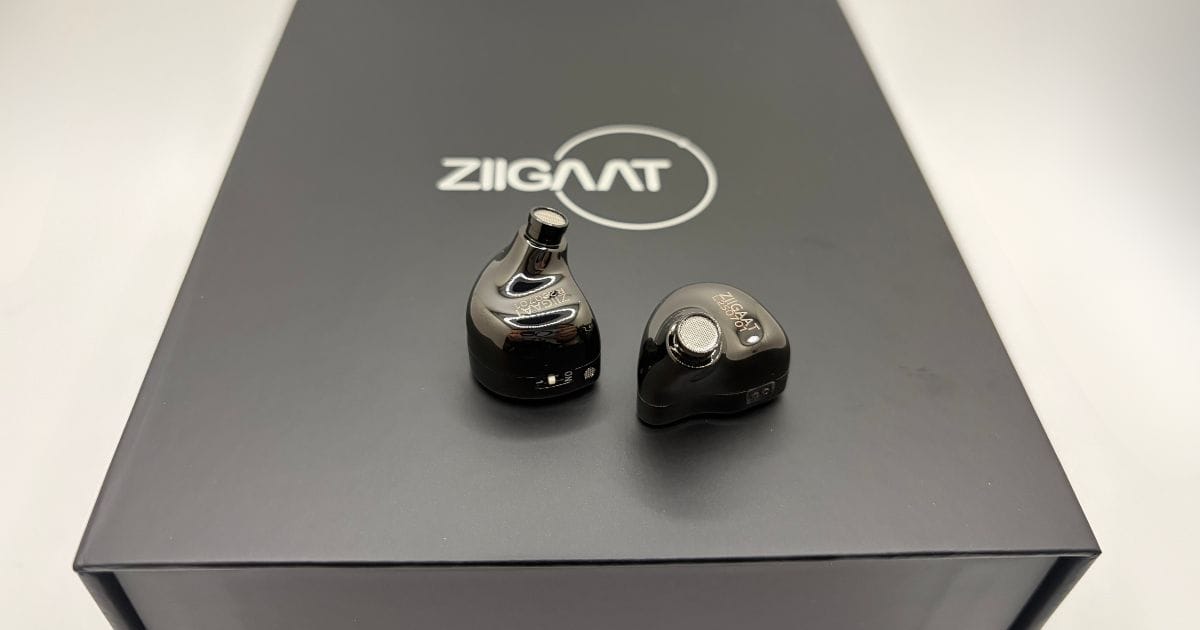
ZiiGaat clearly prioritized ergonomics when designing the Arete II's shell shape. The contoured aluminum bodies nestle comfortably in the concha of your ear, with weight distribution that prevents fatigue during extended listening sessions. For users with average to large ears, the fit should prove universally comfortable. However, the Arete II's slightly larger shells and longer nozzles may cause minor pressure points during longer listening sessions in people with smaller ears.
The included silicone ear tips provide a secure seal and come in three sizes to accommodate different ear canal dimensions. The wide-bore design maintains acoustic clarity while providing sufficient isolation for most environments. Passive isolation is above average.
One comfort note: the aluminum shells can feel cold against your ears initially, particularly in air-conditioned environments. They warm to body temperature quickly, but it's worth mentioning for those who live in colder environments.
Comparisons: How the Arete II Stacks Up
vs. Arete Original ($249)
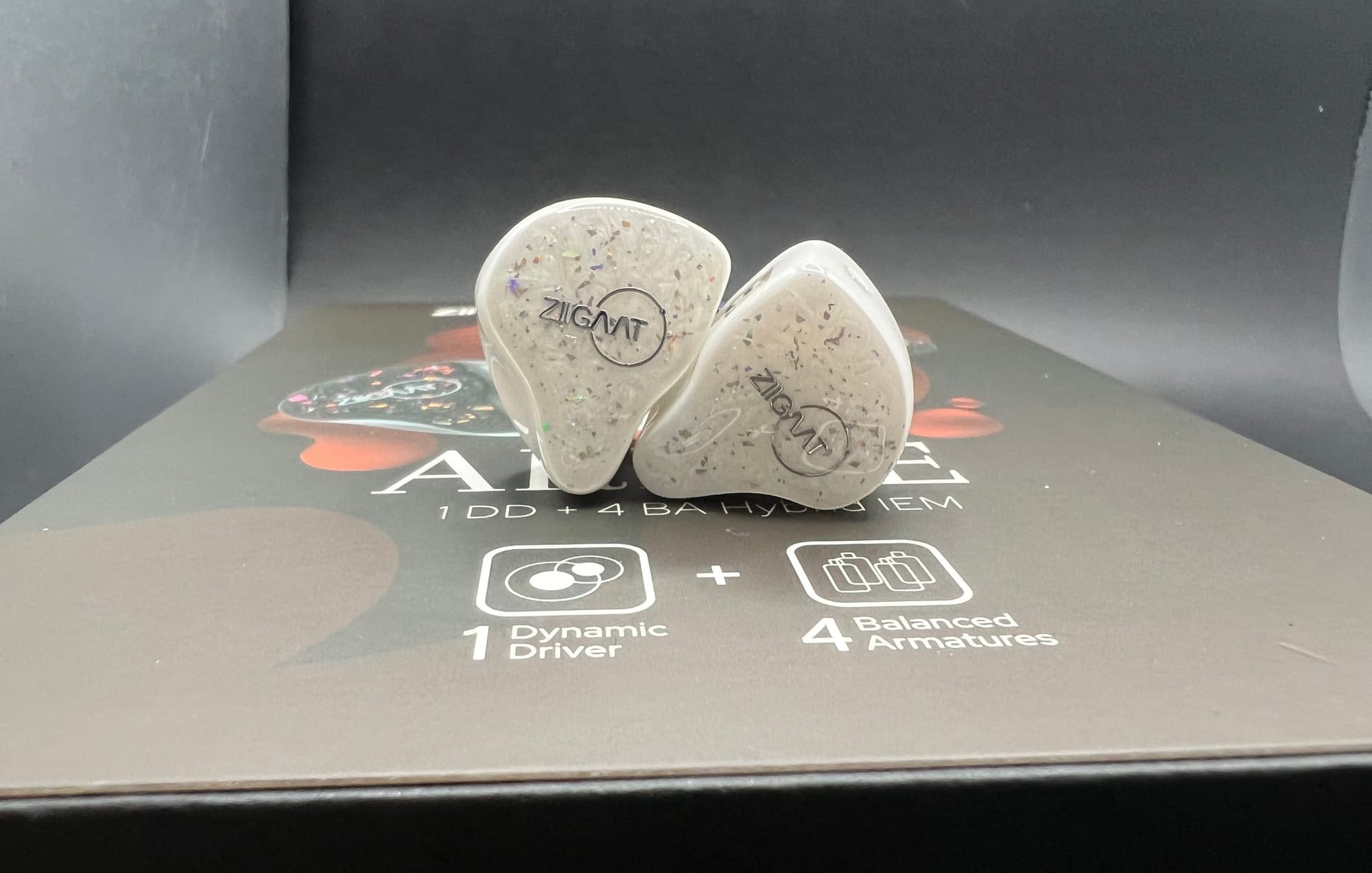
Arete II is the refined, technically superior evolution. It delivers tighter bass control, better mid-range clarity, and noticeably improved resolution across the frequency spectrum. The original Arete has a slightly warmer, more forgiving low-end with more mid-bass bloom, while Arete II cleans up that region for faster transients and better separation.
The midrange is where the leap becomes more obvious. Arete II pushes vocals and guitars forward with better definition and less veil. You get sharper instruments and a more articulate vocal delivery. Arete's mids are pleasant but slightly laid-back by comparison, which can make busy mixes feel congested at points.
Treble extension and air are improved on Arete II. It gives you that open, expansive ceiling without crossing into harshness—cymbal crashes have better decay and more realistic shimmer. The original Arete has good treble but feels slightly more rolled-off up top, trading some sparkle for safety.
When comparing soundstage and imaging, the Arete II wins as well. It presents a wider, deeper stage with more precise instrument placement.
If you already own the Arete and love it, you're not missing out dramatically—but if you're deciding between the two, Arete II offers noticeably better technical performance for the $30 price increase.
vs. Simgot SuperMix 4 ($150)
The Simgot SuperMix 4 occupies interesting territory as a true "quadbrid" IEM, combining dynamic, balanced armature, planar, and piezoelectric drivers. At $150, it significantly undercuts the Arete II's price while delivering impressive technical performance that punches above its weight class.
The SuperMix 4 follows a Harman-inspired tuning that emphasizes sub-bass and upper treble while keeping mid-bass and lower mids relatively restrained. This creates a U-shaped signature that shares the Arete II's emphasis on extension at both frequency extremes but with less mid-bass punch and warmth.
In direct comparison, the Arete II offers superior build quality—the CNC aluminum shells feel significantly more premium than the SuperMix 4's resin construction. The Arete II also provides more impactful bass response, particularly with the switch engaged, and generally fuller mids that give vocals more weight and presence.
However, the SuperMix 4 counters with arguably better treble refinement and extension, thanks to its planar and piezoelectric drivers. Detail retrieval in the upper frequencies is exceptional for the price, and some listeners may prefer its airier, more spacious top-end presentation.
For gaming, both excel, but the Arete II's bass switch gives it the edge for action titles. At $130 less, the SuperMix 4 represents exceptional value, but the Arete II justifies its premium with superior build, more versatile tuning, and better bass performance.
Final Verdict
The ZiiGaat Arete II succeeds at its ambitious goal: creating an IEM that excels at competitive gaming without sacrificing musical enjoyment. It's not perfect—the slightly lean midrange tuning won't suit everyone, and treble-sensitive listeners may find extended sessions fatiguing. But for its target audience of gamers who also appreciate high-quality music playback, the Arete II delivers in spades.
What sets the Arete II apart is its combination of flagship-level build quality, impressive technical performance, and genuine versatility. The bass switch isn't a gimmick—it meaningfully transforms the sound signature to suit different content.
At $279, the Arete II sits in a competitive price bracket where every IEM needs to justify its existence against strong alternatives. It does so through superior build quality, excellent imaging for gaming, and bass performance that can be tailored to your preferences. While audiophile purists seeking the most organic, natural timbre should look elsewhere, gamers and detail enthusiasts will find the Arete II an excellent investment.
If you prioritize soundstage width, imaging precision, and exciting bass versatility, the ZiiGaat Arete II deserves serious consideration. With the Arete II, ZiiGaat hits an enticing sweet spot between gaming performance and musical engagement.
Technical Specifications
- Driver Configuration: 1 x 10mm 2nd-generation composite diaphragm dynamic driver (bass), 2 x Knowles ED 29689 balanced armature drivers (midrange), 2 x Knowles SWFK 31736 balanced armature drivers (treble)
- Frequency Response: 20Hz – 40kHz
- Impedance: 24Ω @ 1kHz
- Sensitivity: 104dB @ 1kHz
- THD: 0.04%
- Cable: Silver-plated oxygen-free copper (OFC), 0.78mm 2-pin detachable
- Termination: Modular system with included 3.5mm single-ended and 4.4mm balanced plugs
- Shell Material: CNC-machined aerospace-grade aluminum
- Weight: Approximately 6g per earpiece (without cable)
- Included Accessories: 7 pairs of silicone ear tips (S/M/L), carrying case, 3.5mm plug, 4.4mm balanced plug, warranty card, user manual
- Colors Available: Red, Blue
- Price: $279 USD
- Warranty: 1 year on IEMs, 3 months on cable


