


Beyerdynamic DT 30 IE Review: Pro Stage Monitors for $119?
Beyerdynamic's DT 30 IE brings pro-level stage monitoring to a budget price. We tested the isolation, bass punch, and comfort to see if it's the real deal for musicians and everyday listeners alike.

Beyerdynamic DT 30 IE
Pros
- Punchy, well-extended bass
- Excellent 39dB noise isolation
- Light, comfortable, and memory wire holds in place during movement
- Overall accurate and clean sound perfect for performers and musicians
Cons
- Can't quite match more expensive multi-BA driver IEM's
- Soundstage is narrow and intimate
Best picks for you
Pros:
- Punchy, well-extended bass without turning muddy or boomy
- Excellent 39dB passive isolation for the price
- Feather-light 2.7g shells disappear in the ear during long sessions
- Kevlar-reinforced detachable MMCX cable feels far more premium than the price suggests
- IP54 rating means sweat and stage grime aren't a dealbreaker
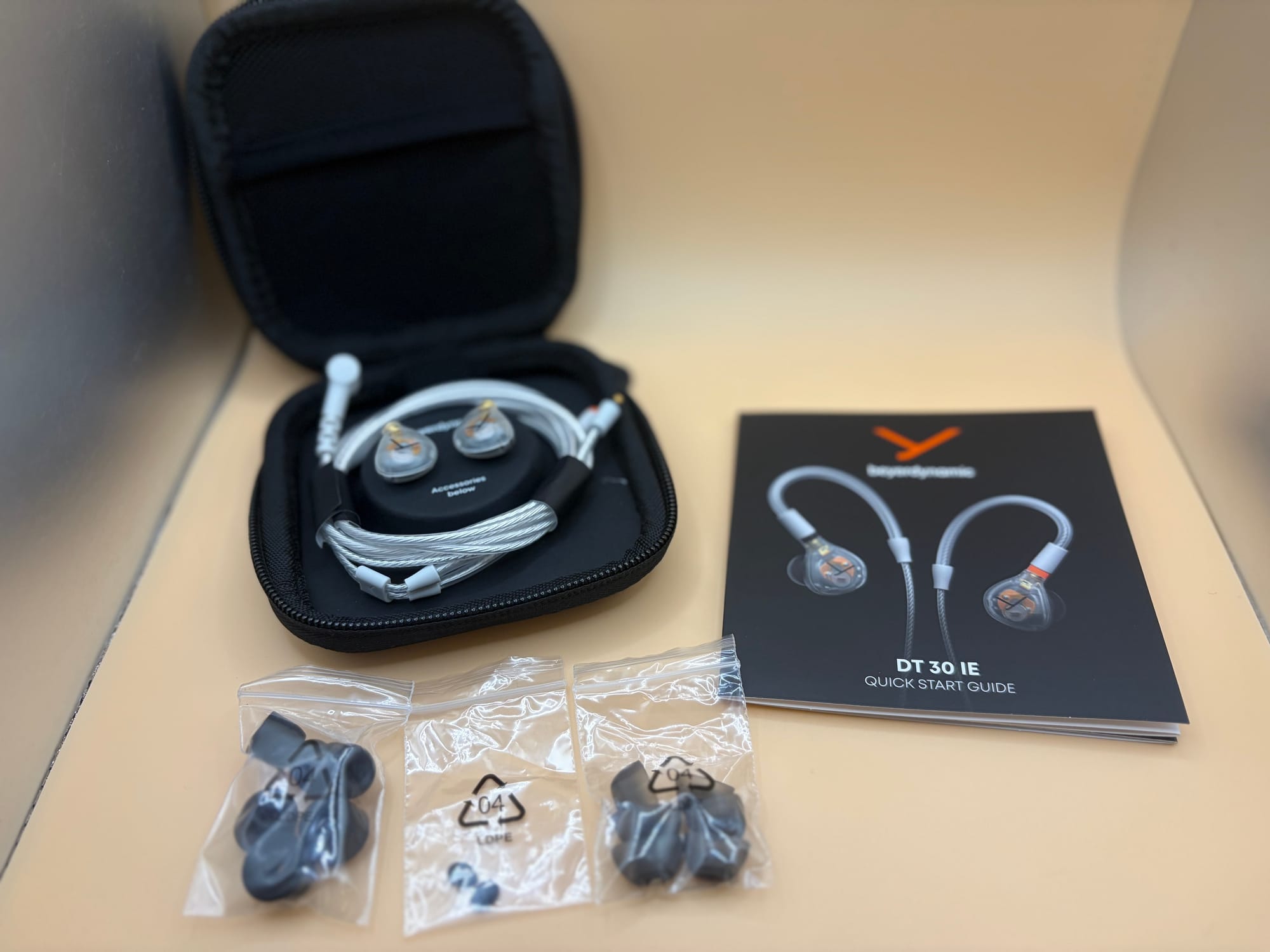
- Generous accessory kit (six eartip options plus cerumen filters and a case)
Cons:
- Soundstage is noticeably narrow and intimate rather than expansive
- Single dynamic driver can't match the resolution of pricier hybrid or multi-BA setups
- beyerdynamic's signature treble energy may run hot for treble-sensitive listeners
- Memory wire fit takes some fiddling to get comfortable for smaller ears
Our Rating: 8/10
Weighing sound quality, build, comfort, isolation, and — critically — the $119-$159 price bracket it's competing in, the DT 30 IE earns a strong 8 out of 10. It's not chasing audiophile bragging rights, and it doesn't need to. For what it's designed to do — give musicians and everyday listeners an honest, durable, well-isolated monitor — it delivers more than its price tag suggests it should.
A Quick Word on beyerdynamic
If you've spent time in a recording studio, you've probably had a pair of beyerdynamic headphones on your head. The German company has been building reference-grade studio gear since 1924, and its DT 770, DT 880, and DT 990 lines are still staples on engineers' desks worldwide. beyerdynamic built its reputation on accuracy—sound that tells you the truth about a mix rather than flattering it. That philosophy carried over when the company entered the in-ear monitor space at NAMM 2025 with the DT 70 IE series, a set of instrument-specific tuned IEMs built for stage use. The DT 30 IE is the next chapter: a single, do-it-all model meant to bring that same professional foundation to a price point almost anyone can justify.
What is the beyerdynamic DT 30 IE?
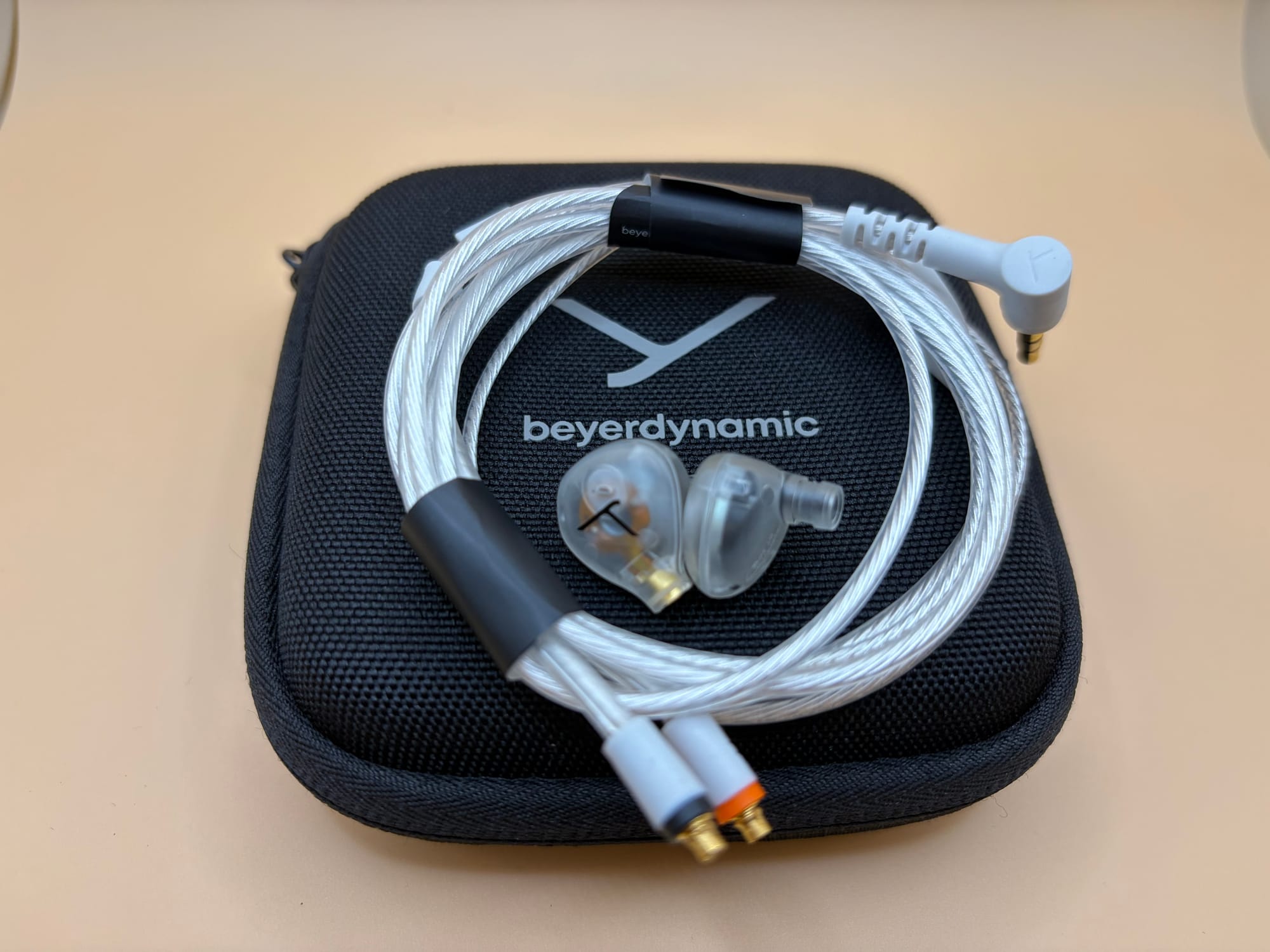
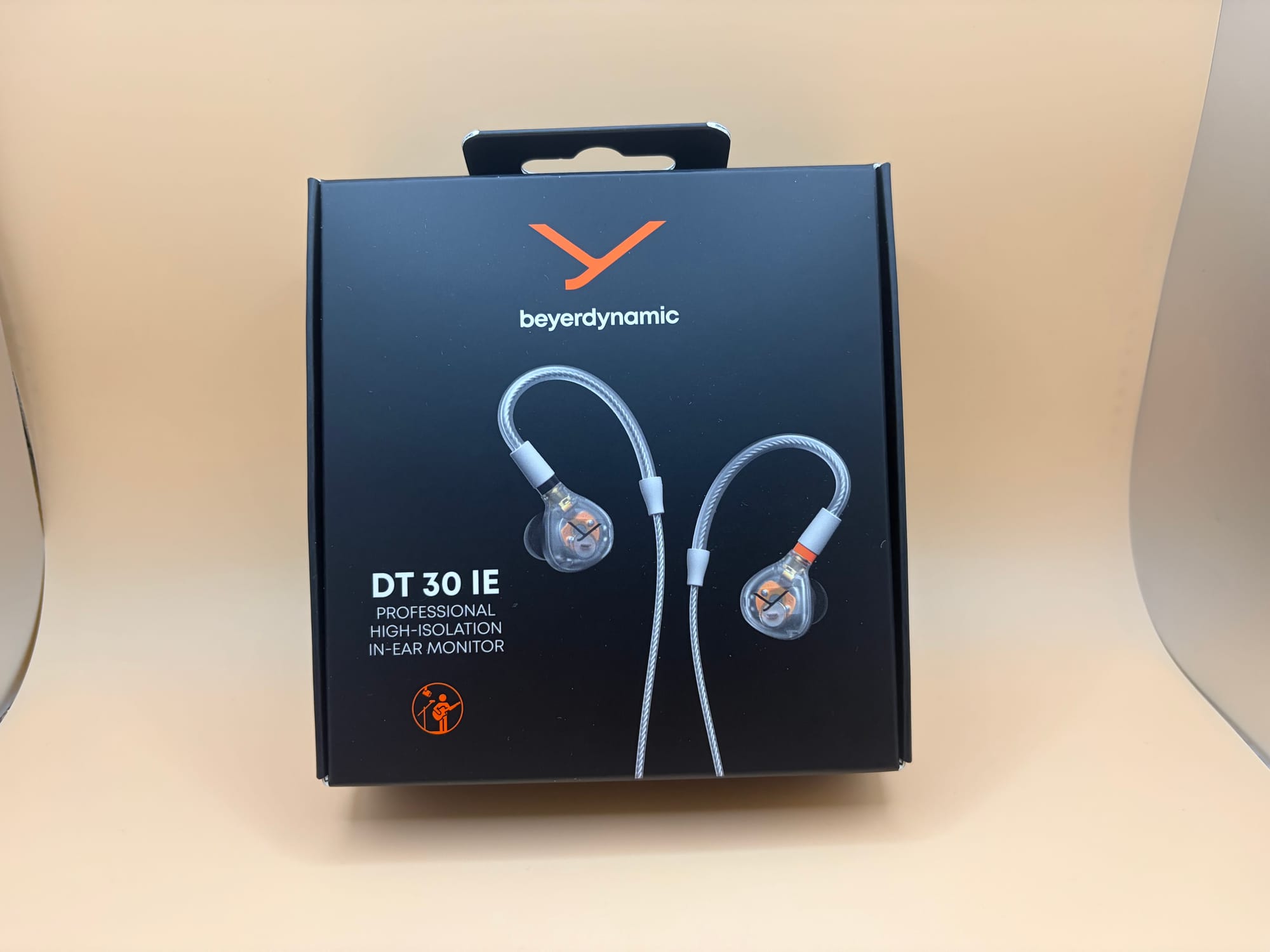
The DT 30 IE is beyerdynamic's most affordable in-ear monitor to date, priced at $149. Unlike the DT 70 IE series, which splits its lineup into four instrument-specific tunings, the DT 30 IE is a single "all-rounder" model. It's aimed squarely at offering musicians an affordable and accurate in-ear monitoring solution—but it's just as capable as a daily-driver IEM for anyone who wants an honest, balanced sound signature without spending a fortune.
Unboxing
Build Quality and Design
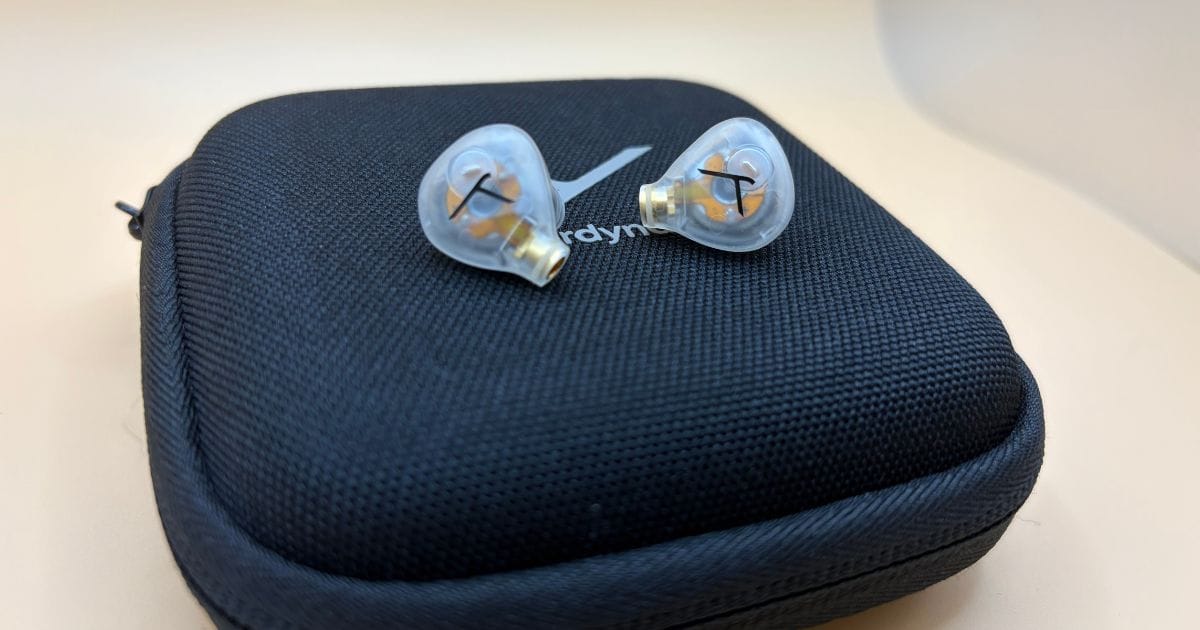
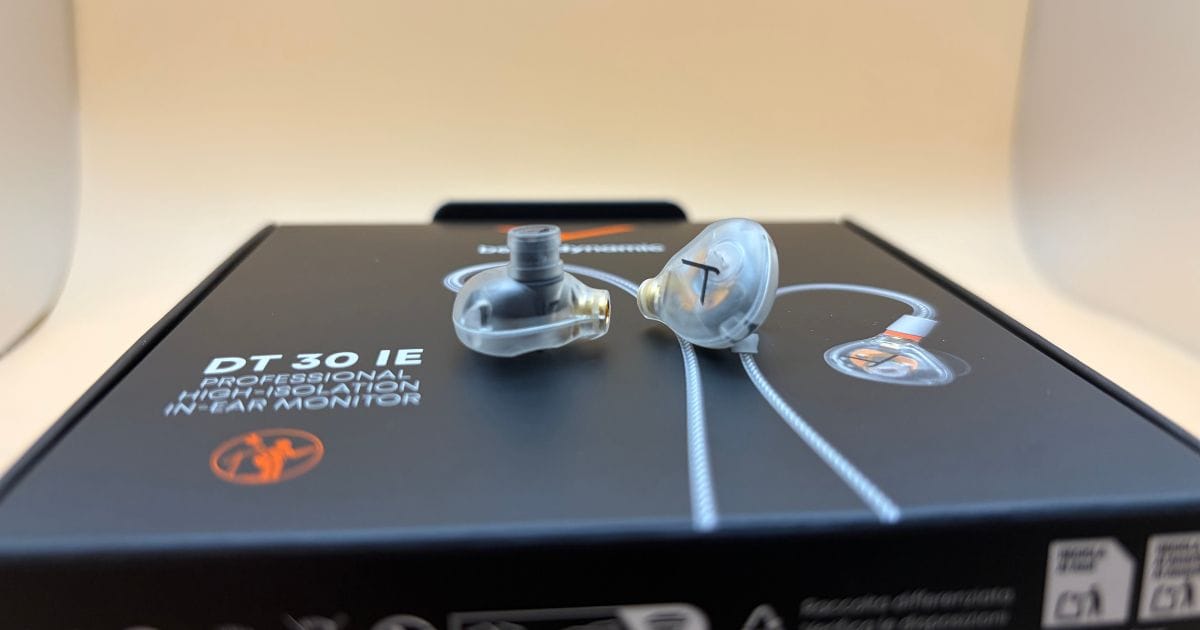
The DT 30 IE carries the same general shell shape beyerdynamic has used across its IEM lineup, but this version leans into a translucent, retro-styled housing that shows off the dynamic driver mechanics inside. It's a nice visual departure from the usual matte black stage-monitor look. At just 2.7 grams per earbud, it's one of the lightest stage IEMs on the market, and the compact shell was reportedly shaped using hundreds of ear scans to maximize comfort and hold.
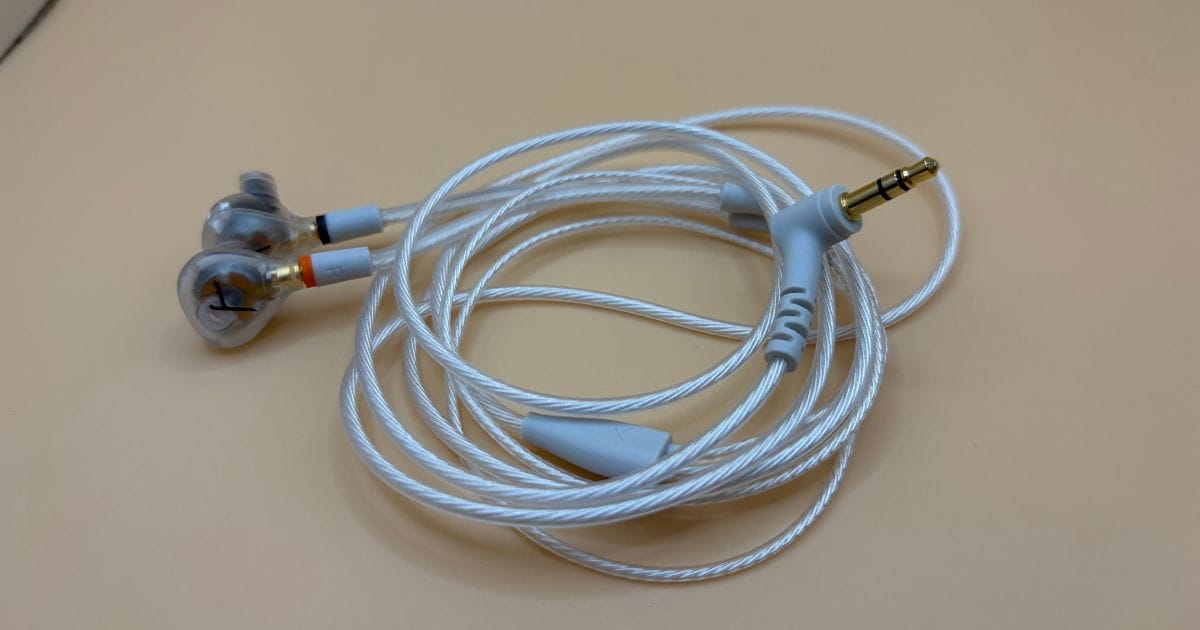
The standout build feature is the included cable. It's a 1.4-meter, Kevlar-reinforced, detachable design using MMCX connectors, gold-plated contacts, and integrated over-ear memory wire. It feels noticeably sturdier than what you'd typically expect at this price, and the fact that it's replaceable means a damaged cable won't end the earphone's life. beyerdynamic also gave the DT 30 IE an IP54 rating, so sweat, dust, and the occasional spilled drink backstage aren't going to be a problem.
Sound Quality
Overall Sound: The DT 30 IE goes for a balanced, slightly warm-leaning signature rather than the mid-forward tuning common in a lot of budget stage monitors. It's built to give musicians an honest read on a mix rather than an exaggerated, "fun" consumer sound—though it still manages to sound engaging for casual listening too.
Bass: This is where the DT 30 IE surprises. Its single 11mm dynamic driver produces a bass response with real sub-bass presence and punch, giving kick drums and bass guitar a grounded, physical feel without turning boomy or bleeding into the midrange. It's controlled enough for monitoring, but has enough body that it won't feel boring for everyday listening.
Mids: The midrange stays admirably flat and uncolored. Vocals and instruments come through naturally without added warmth or artificial edge, which is exactly what you want in a monitor. It's also the roomiest part of the frequency response, giving acoustic instruments and layered arrangements a sense of separation that feels more three-dimensional than the price suggests.
Treble: True to beyerdynamic's house sound, the DT 30 IE's treble carries some extra energy and sparkle. It stays articulate and detailed rather than harsh, though listeners who are sensitive to brighter tunings should know this isn't a laid-back, forgiving top end.
Technical Performance: Timbre is a big strength here. Instruments and vocals sound natural and true to life, a hallmark of beyerdynamic's tuning philosophy. Imaging is precise and easy to localize, which matters a lot for a stage monitor where you need to pinpoint exactly what's happening in a mix. The tradeoff is soundstage width: it's fairly narrow and intimate rather than sprawling, so if you're coming from an open-back headphone or a wide-staged IEM, expect things to feel more centered and direct.
Comfort and Isolation
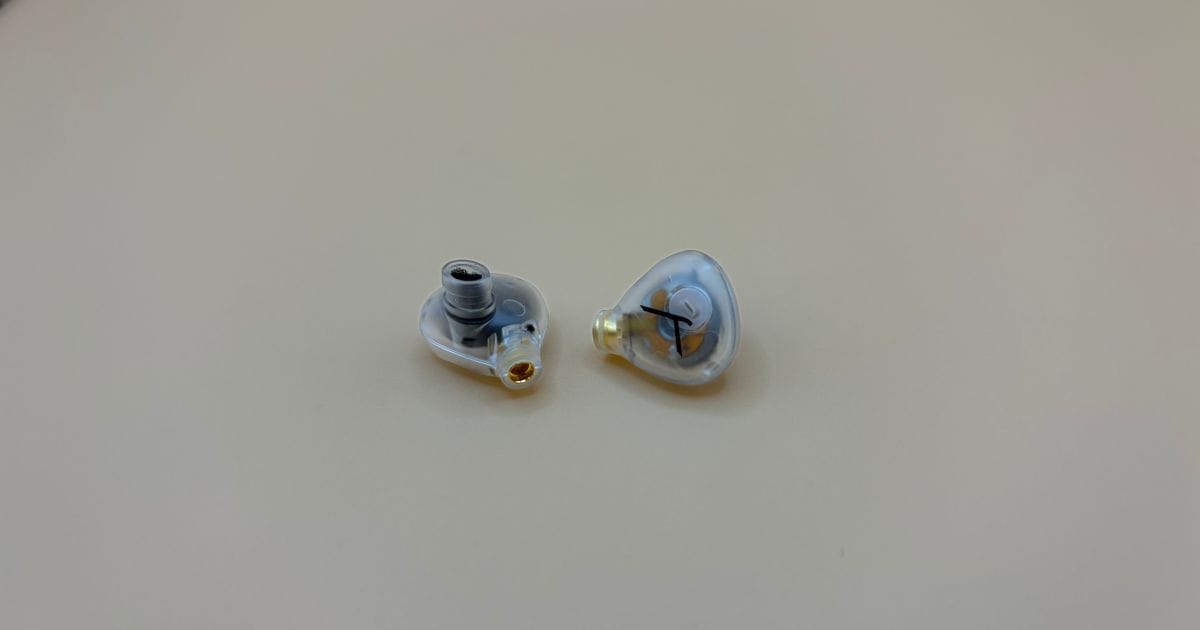
The DT 30 IE's tiny shells and light weight make it one of the more comfortable stage monitors we've tested, and the cable with memory wire is actually an incredible quality-of-life change, allowing you to bend the wire around your ear to stay in place during performances. Most other stage monitors don't offer a memory cable, and it's a great inclusion from beyerdynamic here. The DT30 IE includes three sizes of silicone tips and three sizes of foam tips, which should give most ear shapes a proper seal. That seal pays off with up to 39dB of passive isolation, quite impressive for the price and enough to make these usable on a loud stage or a noisy commute without cranking the volume.
How Does It Compare?
vs. Shure SE215: The SE215 has been a stage-monitor staple for over a decade, and it still holds up with a warmer, smoother midrange that flatters vocals. But the DT 30 IE pulls ahead in isolation and overall tonal accuracy—the SE215's treble is comparatively rolled off and less detailed, while the DT 30 IE stays more neutral and revealing. Overall, at similar prices, I'd recommend the DT 30 IE for it's more accurate sound for professional and performance use.
vs. Sennheiser IE 100 PRO: The IE 100 PRO leans into a livelier, mildly V-shaped signature with punchy bass and a brighter top end, making it the more "fun" listen of the two. The DT 30 IE counters with a flatter, more reference-like midrange and better isolation, making it the more trustworthy option if you actually need to monitor a mix rather than just enjoy music.
vs. Westone UM Pro 10: The UM Pro 10 swaps to a single balanced armature driver, giving it a leaner, faster low end but noticeably less bass weight and sub-bass extension than the DT 30 IE. If you want a monitor built for extended sub-bass and a fuller sound, the DT 30 IE is the more satisfying listen; if you prioritize speed and a slightly analytical presentation, the UM Pro 10 still has an audience.
Final Verdict
The beyerdynamic DT 30 IE is proof that a budget stage monitor doesn't need to feel like a compromise. It nails the fundamentals: honest tuning, real isolation, a durable build, and a comfortable fit—while adding a bass response with more punch and presence than you'd expect from a monitor this affordable. It's not going to replace a flagship multi-driver IEM in outright resolution or soundstage size, but for musicians taking their first step into in-ear monitoring, or anyone who wants a genuinely accurate-sounding IEM without paying audiophile prices, the DT 30 IE is one of the best buys in its category right now.
The DT30 IE is an easy recommendation to any musician or performer who needs an accurate IEM that will stay securely in place.

Technical Specifications
- Driver: 11mm dynamic driver, designed and manufactured in Germany
- Frequency response: 5 Hz – 20,000 Hz
- Passive isolation: Up to 39 dB
- Maximum sound pressure level: 137 dB
- Weight: 2.7 grams per earbud
- Cable: 1.4m Kevlar-reinforced, detachable MMCX connector, gold-plated contacts, integrated memory wire
- Termination: 3.5mm 3-pole jack plug
- Ingress protection: IP54 (dust and water splash resistant)
- Included eartips: Three pairs silicone (S/M/L), three pairs foam (S/M/L)
- Included accessories: Extra foam cerumen filters, quick start guide, carrying case
- Price: $149.99
Thanks for reading!
- Read more of the latest rock/metal news here
- Subscribe to our Metal News Email list for weekly updates!
- Support The Metalverse and go ad-free.
- Follow us on Social Media | Instagram | Facebook
- Listen to our metal Spotify Playlists!
- Join our free 5-day music marketing email course!


