


Fosi Audio i5 Review: Does Fosi's First Headphone Release Earn it's $549 Cost?
Fosi Audio's first full-size headphone is a bold debut. The i5 open-back planar magnetic headphone delivers a wide, relaxed soundstage and premium build at $549. But does it earn a spot in a crowded mid-fi market? We break it all down.

Fosi Audio i5
Pros
- Excellent Detail Retrieval from 97mm planar driver
- Wide, above average depth to soundstage
- Very comfortable
- Scales with amplification well
Cons
- Can be quite heavy
- Treble peaks can come across sibilant
What is the Fosi Audio i5?
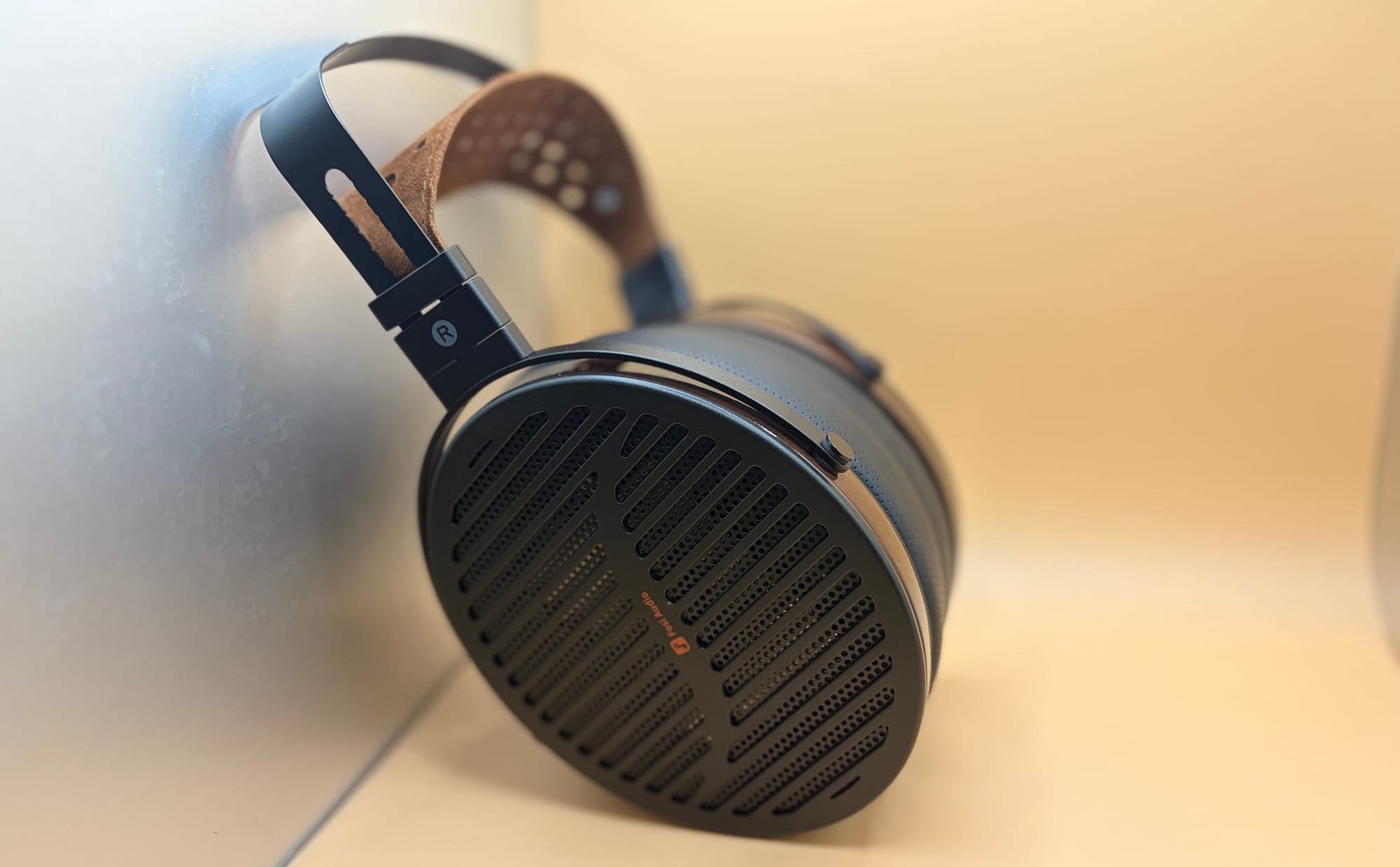
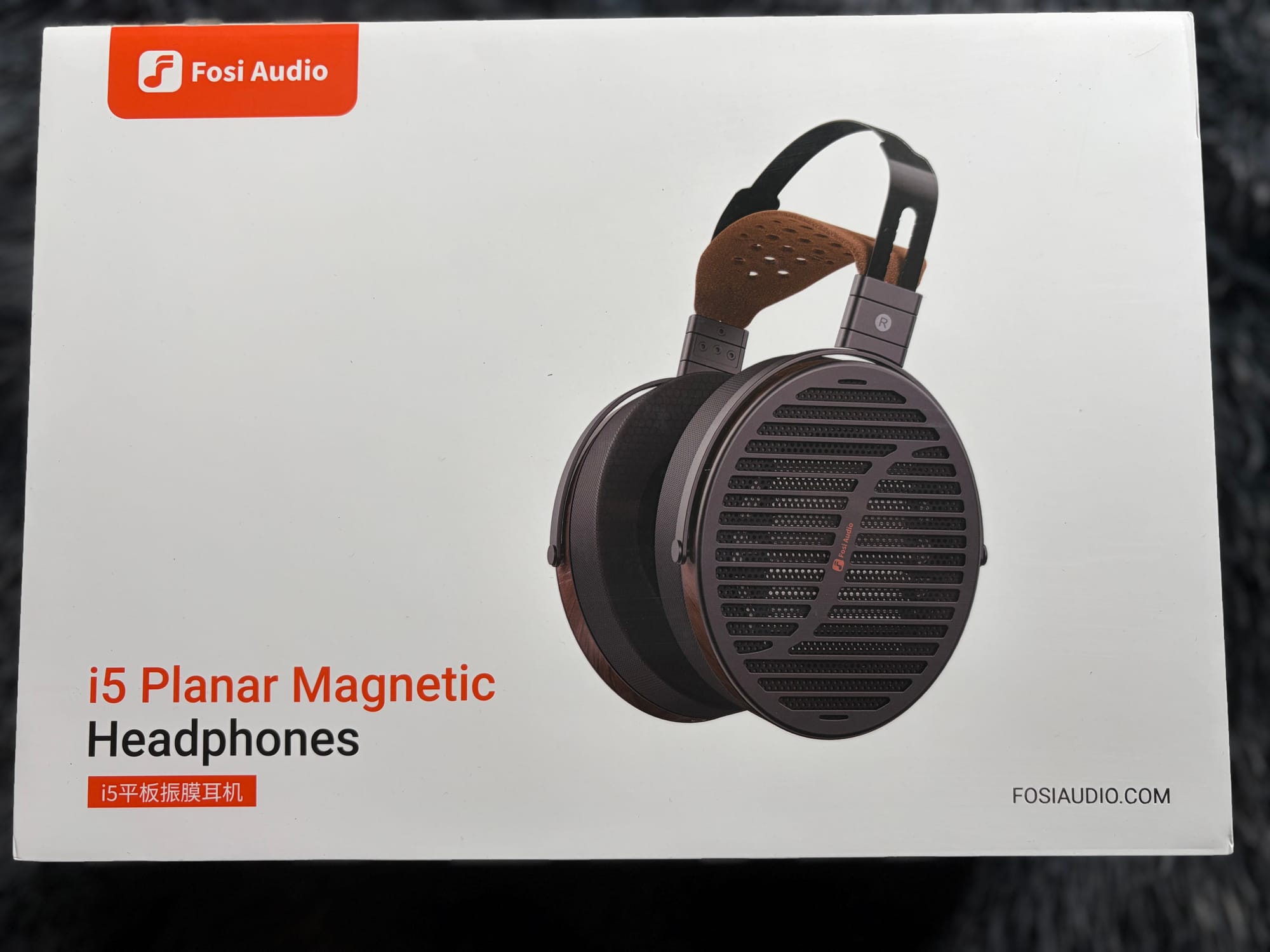
The i5 is an open-back, over-ear planar magnetic headphone featuring a 97mm driver—one of the largest in its class. It retails for about $550 and comes with both a single-ended 3.5mm cable and a balanced 4.4mm Pentaconn cable, along with a 6.35mm adapter. It's a wired-only, desktop-focused headphone.
Planar magnetic headphones work differently from traditional dynamic drivers. Instead of a voice coil pushing a cone, the entire diaphragm is embedded with a thin conductor and driven uniformly by magnets on both sides. The result is typically lower distortion, faster transient response, and a flatter, more detailed sound. The i5 takes that formula and scales it up—literally—with an enormous driver that Fosi claims improves dynamics and low-end extension.
Build Quality and Design
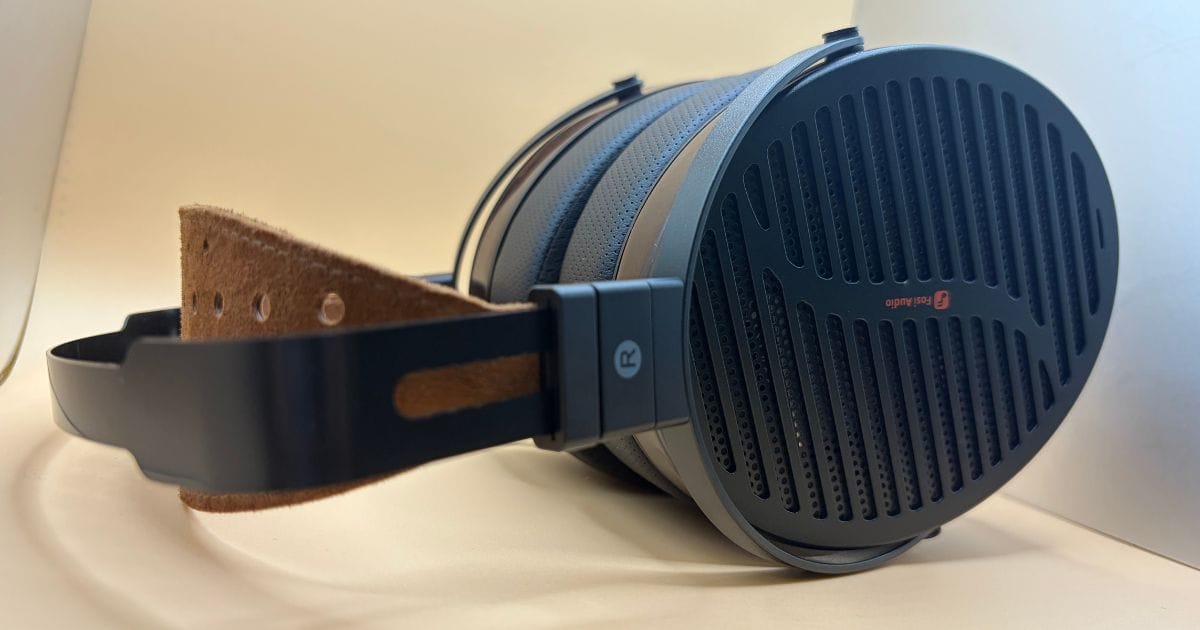
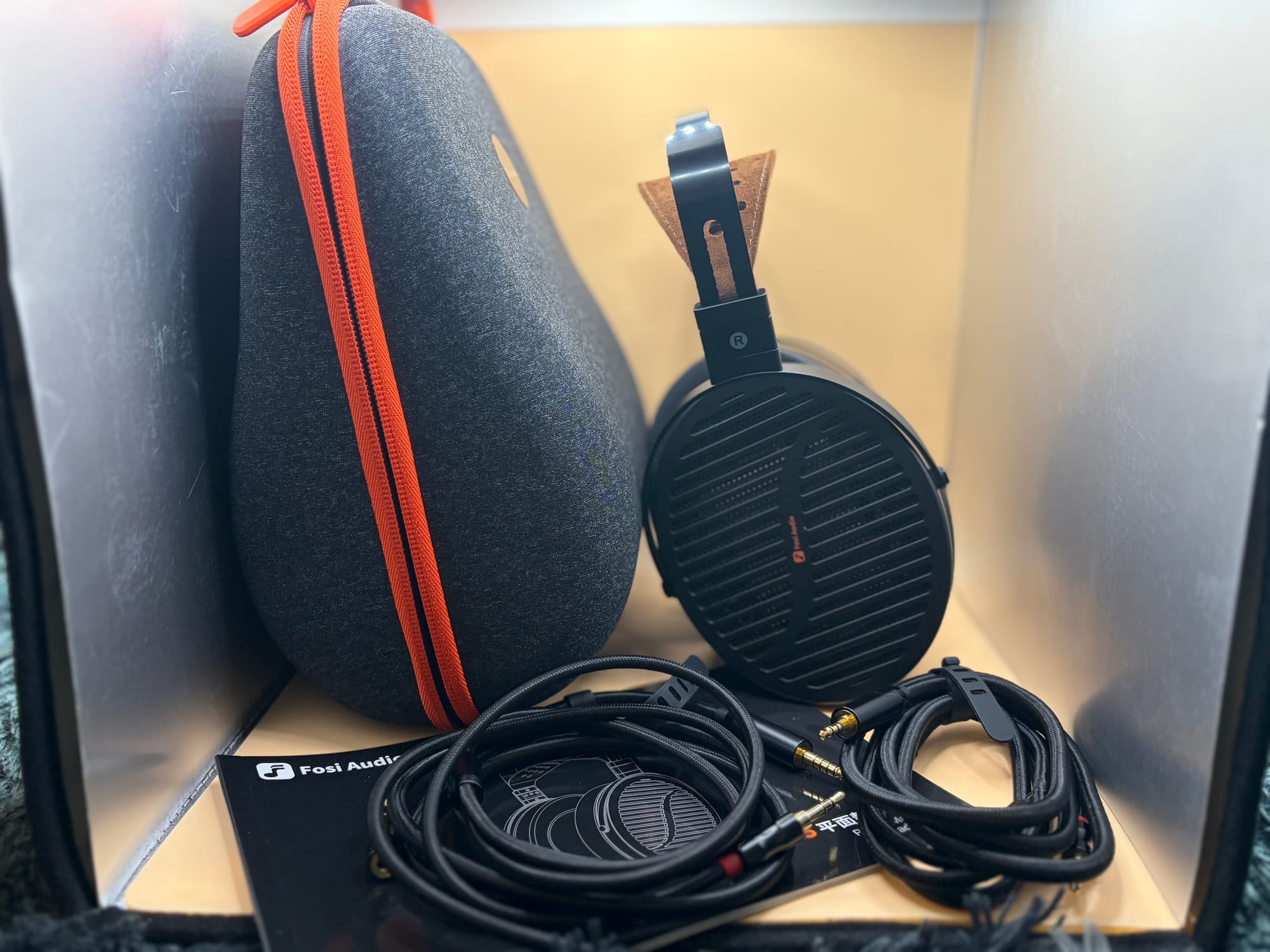
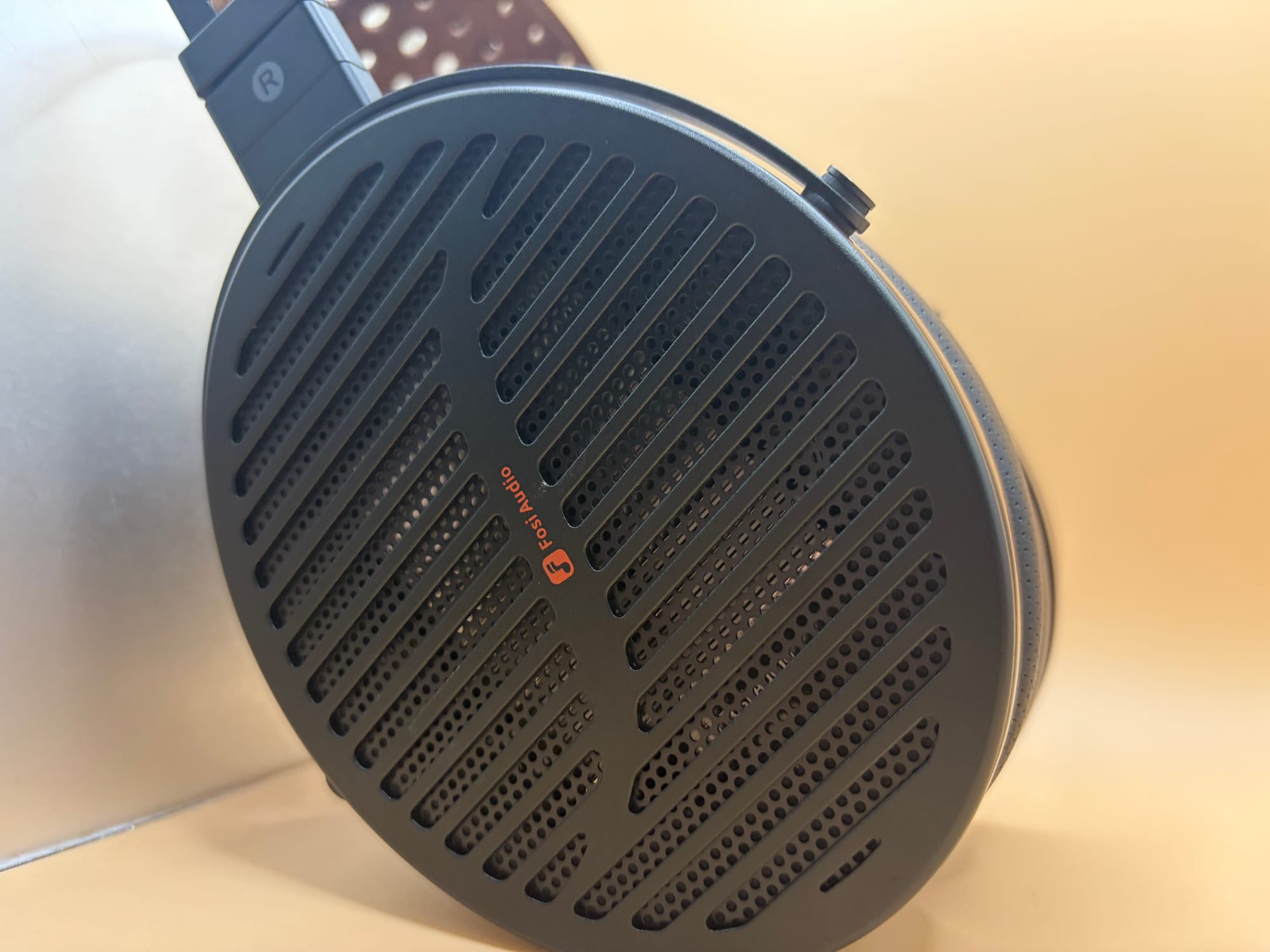
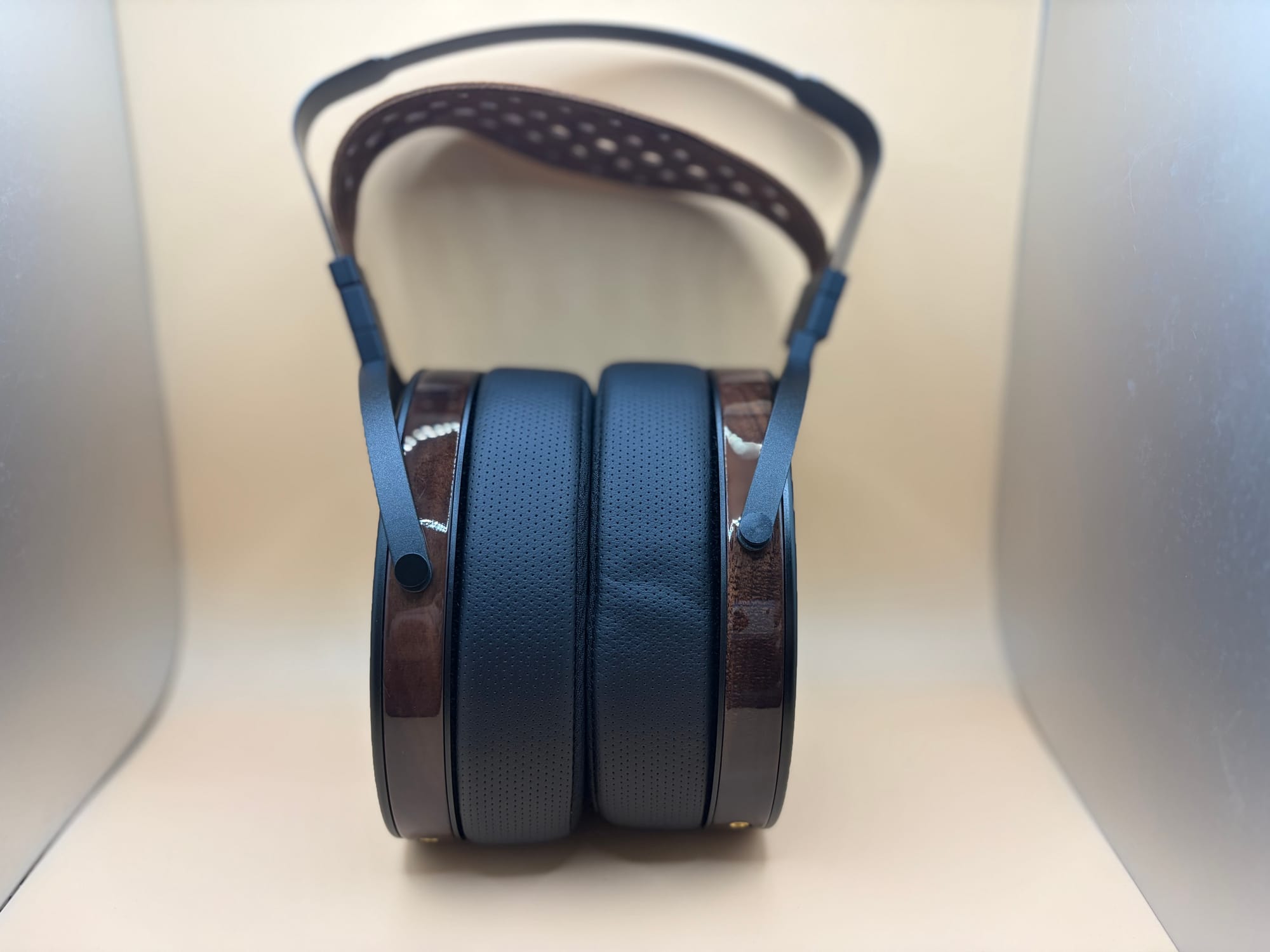
Pull the i5 out of the box, and the first thing you'll notice is that this thing is big. The earcups are enormous, even larger than many HIFIMAN and Audeze designs, and the build feels premium for the price. You're getting polished walnut accents on the earcup exteriors, an aluminum rear grille, and a suede-wrapped suspension headband. The yokes are made from high-strength memory steel that retains its shape over time.
The headband uses a stepless silicone friction slider for sizing. It's a nice touch that lets you dial in the fit precisely rather than clicking through notches, though it is pretty rigid and takes some force to adjust it. The dual-axis earcup system lets the cups pivot both vertically and horizontally, which helps them sit properly on a wide range of head shapes. Once you find your position, the i5 locks in nicely.
Connections are handled by dual 3.5mm jacks at the base of each cup. A standard configuration that makes aftermarket cable swapping straightforward. The sealing ring that Fosi added between the driver and pad mount (a fix from early pre-production units that had sub-bass extension issues) works well.
The pad mounting system uses a Velcro-style attachment with a proprietary shape, which means pad-rolling with third-party options is difficult. Fosi does sell an optional non-fenestrated pad ($29) that increases bass presence if you want to tune the sound, but beyond that, your options are limited. Brands like HIFIMAN make pad-rolling feel effortless by comparison.
Sound Quality
Overall Signature
The Fosi Audio i5 has a relaxed, smooth, and somewhat laid-back sound signature that leans warm without going dark. If you're expecting a forward, aggressive planar, this isn't it. What you get instead is a headphone that feels spacious and composed that resolves detail. The overall tuning lands close to the Harman over-ear target, which means it's versatile across genres while still having a distinct character. It's analytical without being too clinical, which is a balance a lot of headphones in this range struggle to achieve.
Bass
Open-back headphones don't typically win bass competitions, and the i5 is no exception—but it handles low frequencies better than most in its class. The bass is neutral and well-extended, digging cleanly down into sub-bass territory thanks to the large driver and the updated sealing ring that Fosi introduced to fix pre-production sub-bass rolloff. The quantity is on the polite side, though the texture and detail in the low end are excellent. Bass lines come through with clarity and definition that dynamic driver headphones often blur.
If you want more thump, Fosi's non-fenestrated optional pads do reportedly add meaningful bass presence.
Mids
This is where the i5's character gets interesting. The midrange is smooth and slightly recessed, creating an airy, transparent quality that I enjoyed. Vocals sit back in the mix rather than projecting forward, which gives the i5 a very "headphone disappears" quality as instruments feel spatially placed rather than close and immediate. The upper midrange has some frequency response irregularities that measurements show clearly, but in actual listening, the effect is often less dramatic than the graphs suggest. Real music is complex enough that these bumps and dips blend into a coherent presentation rather than calling attention to themselves. That said, genre and recording quality matter here—the i5 is revealing enough to make poorly mastered tracks sound noticeably uneven.
Treble
The highs are generally well-controlled. With that being said, during some songs, I did notice the i5 to have noticeable sibilance that could be harsh to my ears at points. With that being said, there is a good amount of air and energy up top to keep detail retrieval strong. Strings, cymbals, and high-frequency harmonics all reproduce cleanly.
Timbre, Soundstage, and Imaging
Timbre on the i5 is warm and natural—instruments sound organic rather than metallic or synthetic. Acoustic instruments and strings in particular benefit from the smooth, unhurried character of the signature.
The soundstage is a legitimate standout. The i5 throws sound that is exceptionally wide and tall, with a holographic, three-dimensional quality that is impressive. It's immersive in a way that makes orchestral music, jazz, and acoustic recordings feel genuinely expansive.
Imaging is also above average—instrument placement is clear and well-separated, though the laid-back midrange means vocalists can occasionally feel slightly diffuse in dense mixes. Percussion imaging is sharper than vocal and string placement. Layering is strong, and the planar driver's inherent speed helps pull apart complex arrangements cleanly.
Comfort and Fit
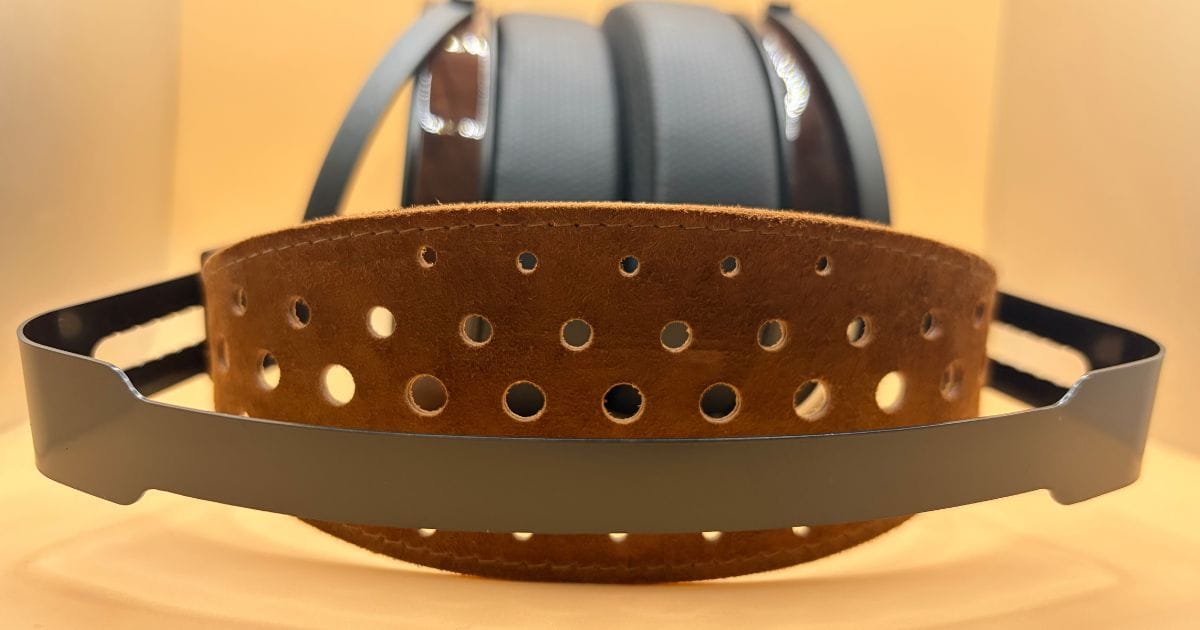
For being over a 1lb headphone, the i5 is more comfortable than it should be. The wide suede headband distributes weight across a broad area, and the thick memory foam earpads seat around the ears gently rather than clamping hard. The dual-axis cup movement means the pads conform naturally to your head without creating pressure points. For longer listening sessions, while it initially feels heavy, I did get used to it, and it was actually quite comfortable.
That said, 1.2lbs is 1.2lbs. People with smaller heads may feel the cups sit a bit loosely, and anyone sensitive to on-head weight will likely feel these over an extended session. I wear glasses often when writing, so the oval cup shape also works better than a circular design for me, causing less temple pressure.
Since this is an open-back headphone, isolation is essentially zero. Sound leaks out freely in both directions. This is a headphone for your desk, your listening room, or your home studio.
How Does It Compare?
Fosi Audio i5 vs. HIFIMAN Sundara ($299)
The Sundara is the classic benchmark for the sub-$500 open-back planar market, and it's a tough act to follow. The Sundara is brighter, more neutral, and more forward in the midrange—vocalists feel more immediate and present. The i5 counters with a significantly wider soundstage, a warmer and smoother presentation, and substantially better build quality, including more premium materials and a better cable package. The Sundara is easier to drive and more universally flattering across genres. For listeners who want intimacy and a reference-leaning sound at a lower price, the Sundara is still a strong pick. For listeners who want a more immersive, spacious experience with a premium feel, the i5 makes a compelling case for the extra investment.
Fosi Audio i5 vs. FiiO FT5 ($450)
Two company flagships in the same neighborhood. The FT5 brings a more V-shaped signature with punchier bass and a slightly more energetic, engaging presentation. It's warmer in the low end, more visceral, and arguably more fun for EDM and rock. The i5 is smoother and more refined, with a larger soundstage and a more composed top end. Both have excellent build quality, though the i5's walnut and aluminum construction feels a touch more premium. The FT5's modular cable system and versatile pad options give it a practical edge for customization. If you're chasing bass impact and energy, the FT5 edges ahead. If you want width, composure, and a more laid-back listening experience, the i5 wins.
Fosi Audio i5 vs. HarmonicDyne Baroque ($559)
A genuinely close fight at essentially the same price point. The Baroque uses a 60mm dynamic ceramic-metal driver rather than a planar, and the difference in character is clear. The Baroque is more neutral, brighter, more forward, and more aggressive—it climbs lower in sub-bass and higher in treble presence. The i5 sounds warmer, wider, and more relaxed. The Baroque is considerably easier to drive than the i5, making it friendlier with modest desktop setups. The build quality advantage goes to the i5, which uses more premium materials throughout. Sonically, this comes down to what you want: the Baroque for precision and energy, the i5 for space and warmth.
Final Thoughts
Fosi Audio entered the full-size headphone market swinging, and by most accounts, they landed a hit with the i5. This is not a safe, hedged debut—it's a large, ambitious, premium-feeling open-back planar that competes credibly with established names in the mid-fi space. The soundstage is legitimately impressive, the build quality is excellent, and the smooth, spacious presentation is quite enjoyable for long listening sessions.
Is it perfect? No. The midrange quirks are real, even if the real-world impact is modest. The 1.2lb weight isn't for everyone. The treble can be harsh during listening, and you're going to need a real desktop amp to hear what this headphone is actually capable of—a dongle or laptop output will leave it sounding flat and underpowered.
But if you have the right source and a taste for a warm, wide, planar sound, the Fosi i5 is one of the more compelling open-back headphones at $549. For a first attempt, that's not just good—it's impressive from Fosi.
Technical Specifications
- Driver Type: 97mm planar magnetic
- Diaphragm Thickness: 2μm nano-level
- Voice Coil: 1.3μm silver-alloy, sputter-coated
- Magnets: 22 N50-grade neodymium magnets per channel (symmetrically arranged), 44 total
- Impedance: 28Ω
- Sensitivity: 98 dB/mW @ 1kHz
- Frequency Response: 10Hz – 50,000Hz
- Maximum SPL: >120 dB
- THD: <1% @ 100 dB SPL
- Recommended Power: 100mW minimum / 500mW recommended
- Weight: Approximately 550g (approximately 1.2 lbs)
- Cable Included: 4.4mm balanced Pentaconn (approximately 5 ft), 3.5mm single-ended (approximately 5 ft)
- Termination at Earcups: Dual 3.5mm TRS (standard)
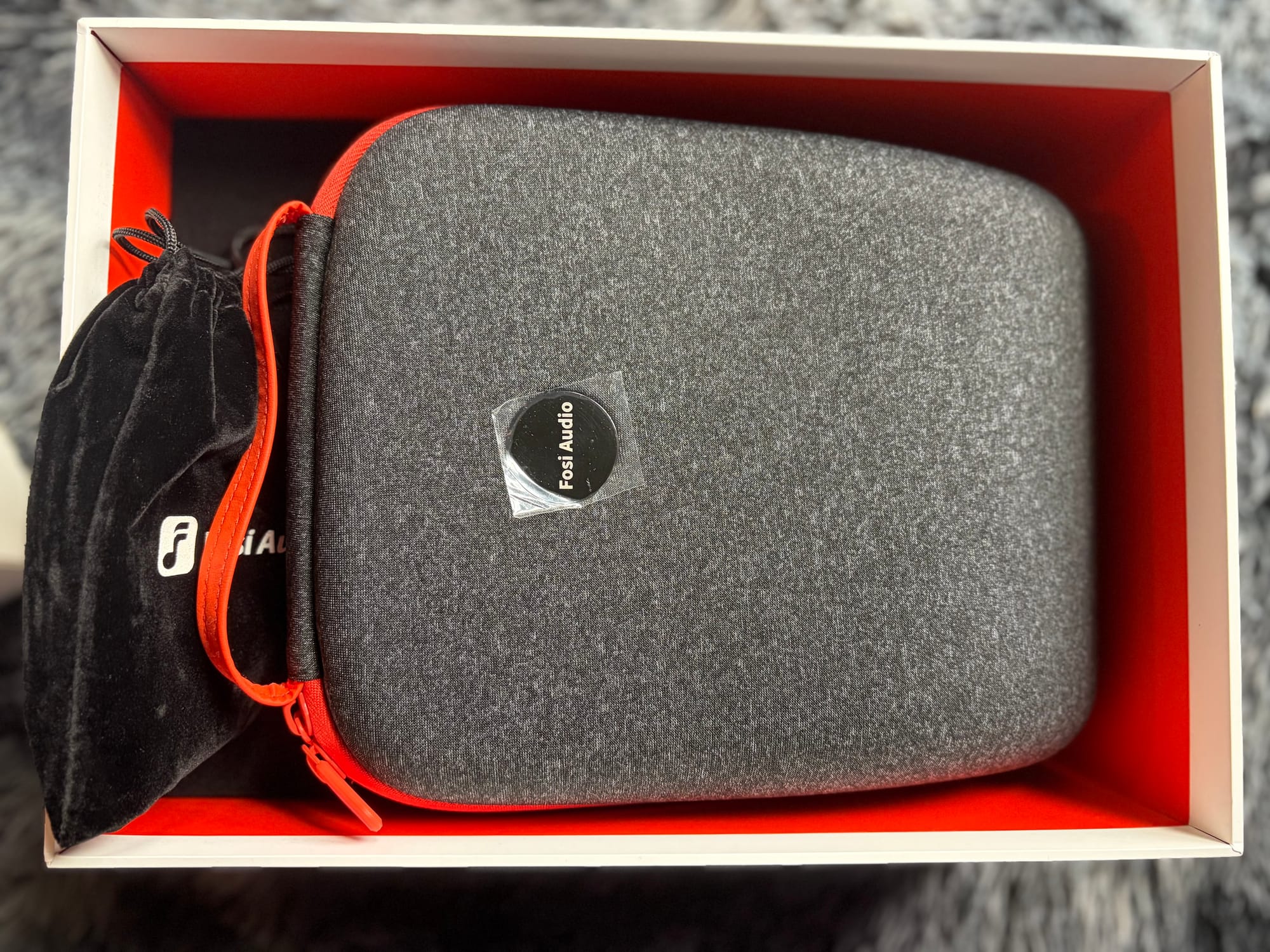
- Accessories: 6.35mm adapter, cable storage pouches, user manual
- Price: $549.99 USD
Thanks for reading!
- Read more of the latest rock/metal news here
- Subscribe to our Metal News Email list for weekly updates!
- Support The Metalverse and go ad-free.
- Follow us on Social Media | Instagram | Facebook
- Listen to our metal Spotify Playlists!
- Join our free 5-day music marketing email course!


